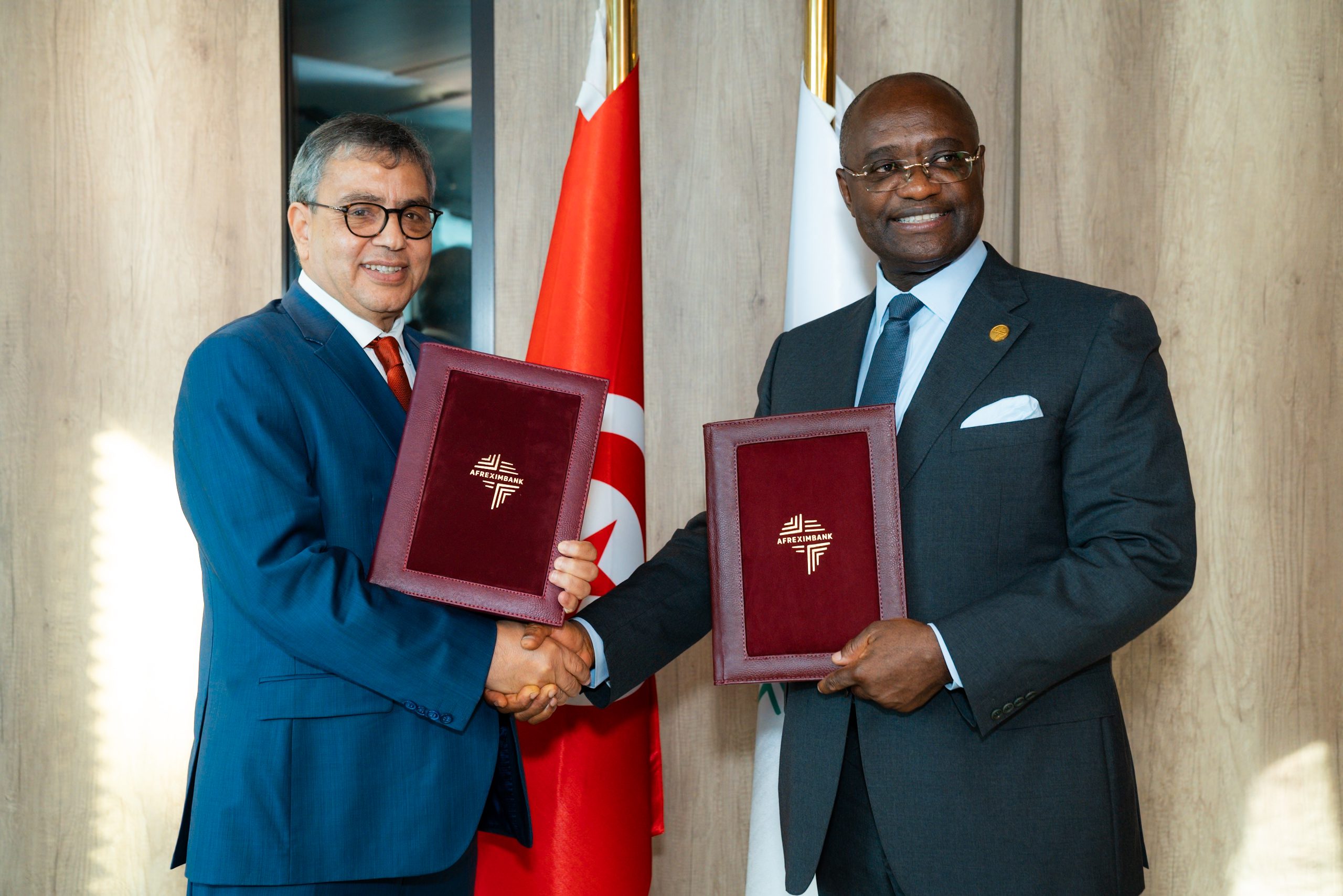
From left: Dr Fethi Zouhaier Nouri, Governor of the Central Bank of Tunisia, and Dr George Elombi, President and Chairman of Afreximbank, during the June 2026 signing in Cairo. Photo: Afreximbank.
By inAfrika Newsroom
Afreximbank and Tunisia’s central bank signed a USD 500 million term loan agreement in Cairo on 22 June 2026, aiming to ease pressure on the country’s foreign-currency resources and secure financing for essential imports. The agreement was concluded on behalf of Tunisia’s Ministry of Finance and forms part of a broader financial relationship between the institutions.
The signing brought together George Elombi, president and chairman of the African Export-Import Bank (Afreximbank), and Fethi Zouhaier Nouri, governor of the Central Bank of Tunisia, alongside senior officials. The bank announced the agreement in a release dated 22 June.
According to Afreximbank, the facility is intended to help Tunisia meet maturing trade-related debt obligations and finance imports of fuel, fertilisers and food. It is also designed to improve access to foreign-currency liquidity, which businesses need to settle international purchases and keep supply chains functioning.
The bank said the new agreement comes on top of USD 1.2 billion previously disbursed to Tunisia’s central bank. That distinction matters: the previous USD 1.2 billion was described as disbursed, while the June announcement reported the signing of the additional USD 500 million facility. The release did not set out a complete drawdown timetable or confirm that the entire new amount had already been received.
For import-dependent sectors, reliable trade finance can affect whether goods arrive on time and at what financing cost. Fuel supplies are important to transport and electricity, while fertilisers support farmers’ production cycles. Financing alone, however, does not establish that consumer prices will fall or that shortages will disappear.
The agreement also illustrates the role of African financial institutions in responding to foreign-exchange and trade-financing constraints. Similar pressures affect businesses elsewhere on the continent, including East African importers paying overseas suppliers for energy, industrial inputs and agricultural products. Tunisia’s financing arrangement is country-specific and should not be presented as a facility available to other states.
What remains important to monitor is the actual pace of disbursement, use of the funds and effects on Tunisia’s import financing. These outcomes cannot be inferred from the signing ceremony alone.
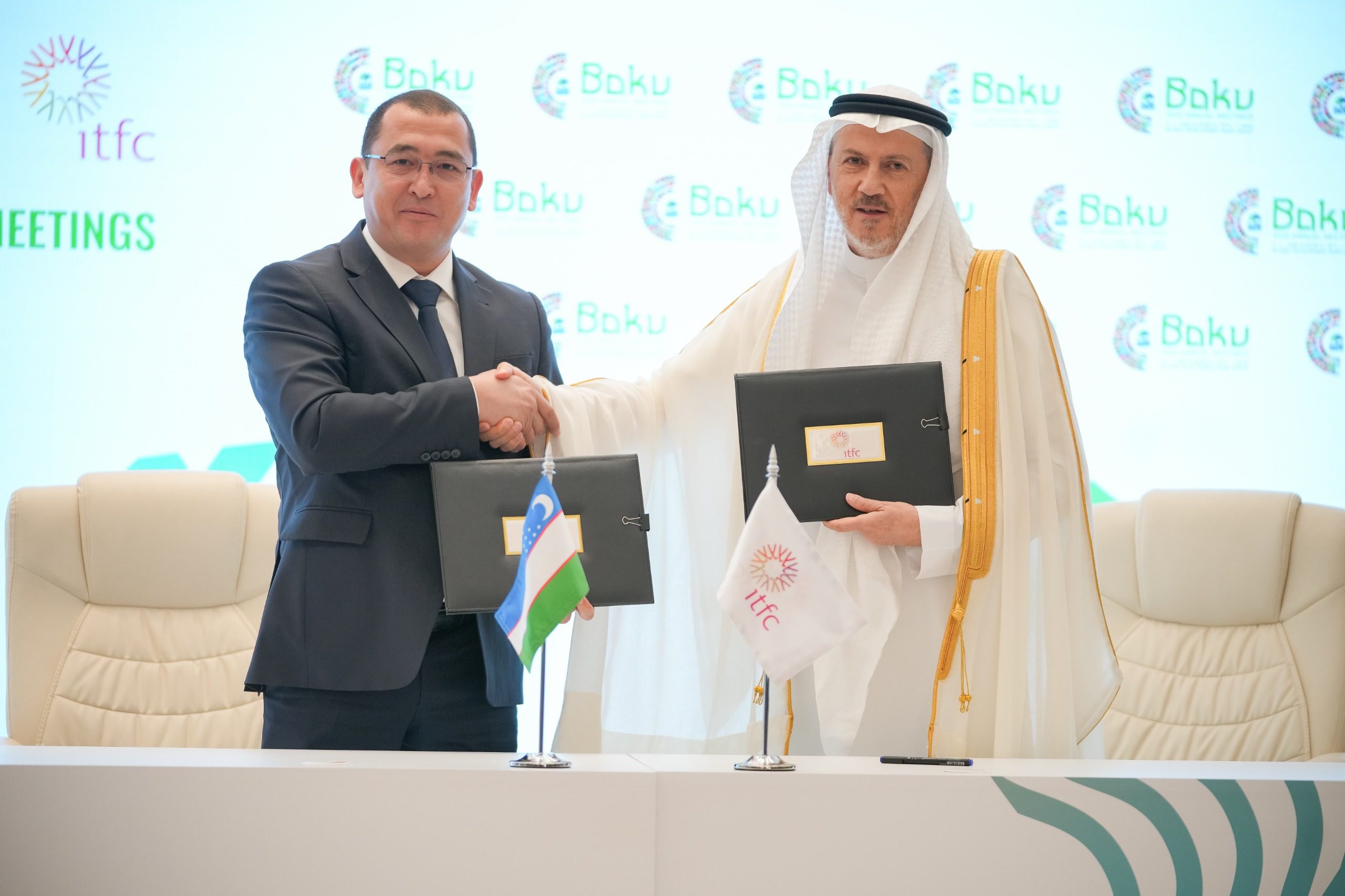
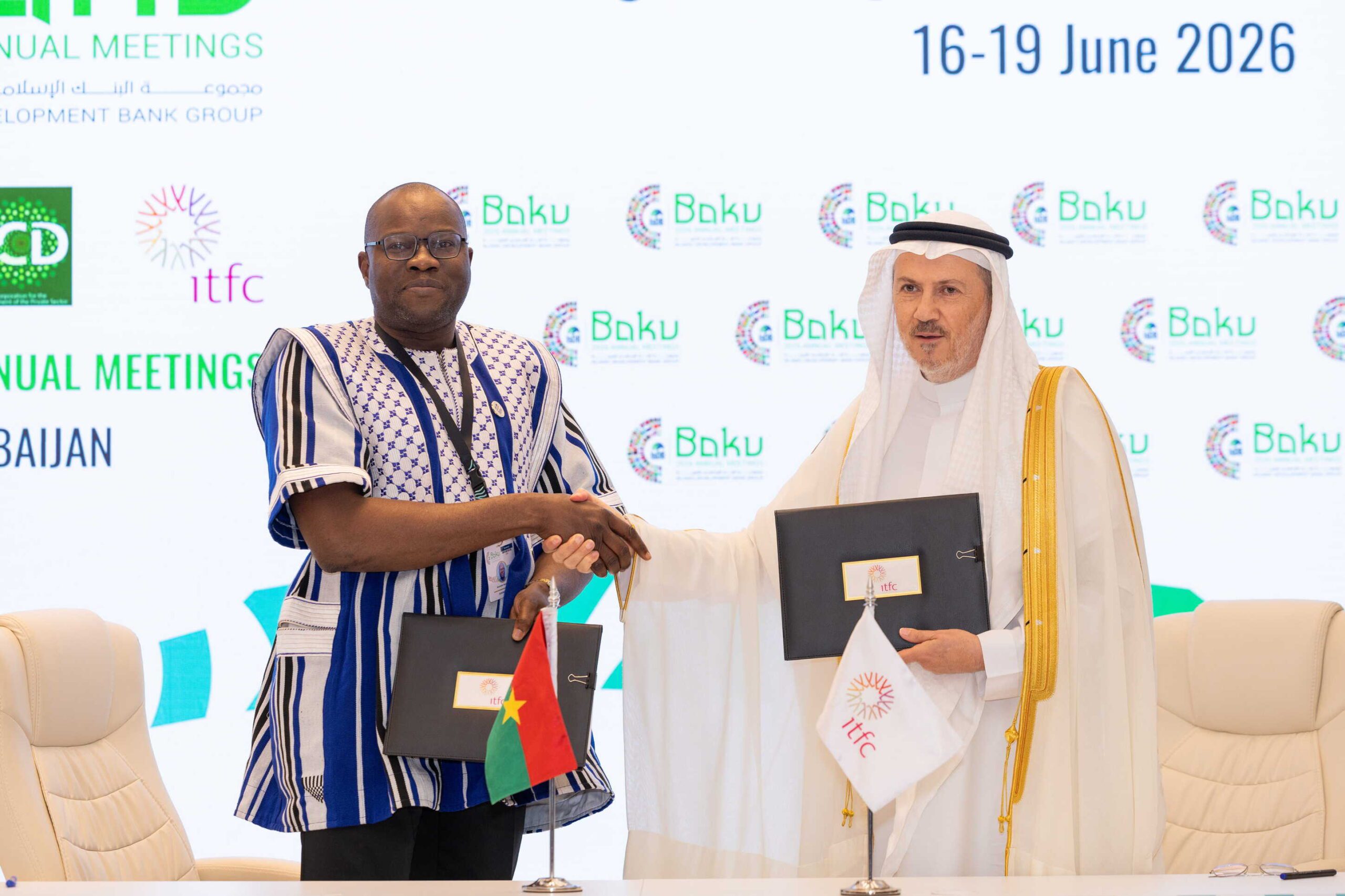
ITFC announced USD 2.9bn in signed agreements at the June 2026 IsDB meetings, including frameworks for Burkina Faso, Côte d'Ivoire, Djibouti and The Gambia.

 Swahili
 English
 French
 Portuguese
 Chinese