 Swahili
  English
  French
  Portuguese
  Chinese
Monday 8th December 2025
by inAfrika Newsroom
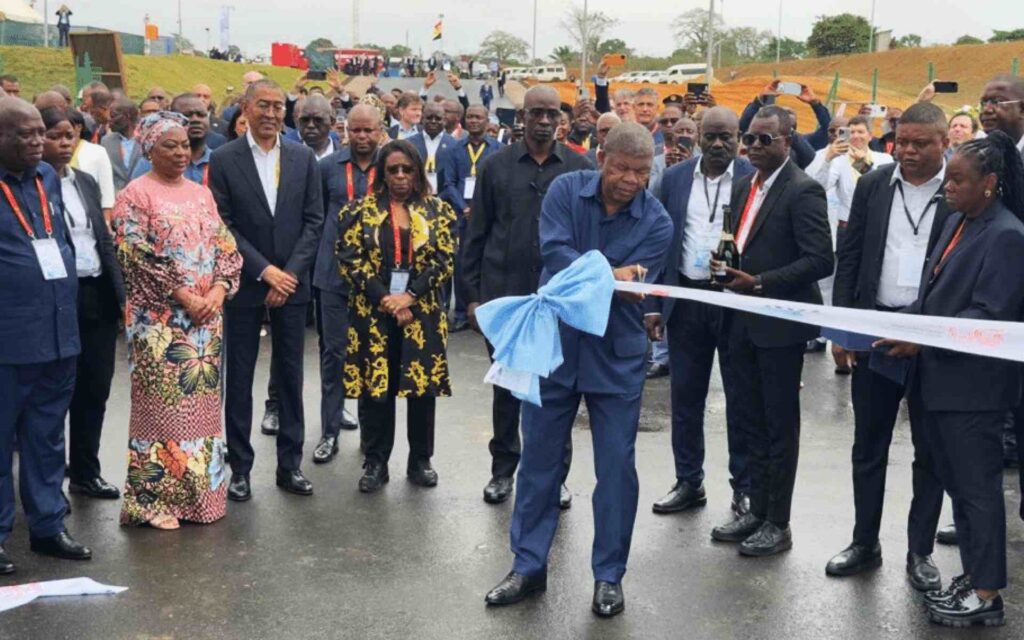
The Angola New Gas Consortium gas project is now fully onstream in Soyo, marking the country’s first large non-associated gas development. The $4 billion gas treatment plant, led by Azule Energy, began operations in November 2025, six months ahead of schedule.
The facility can process about 400 million standard cubic feet of gas per day and 20,000 barrels of condensate. Gas comes from the offshore Quiluma and Maboqueiro fields and feeds the Angola LNG plant for export and domestic use. Partners include Azule Energy, Chevron’s Cabinda Gulf Oil Company, Sonangol, TotalEnergies and the national regulator ANPG.
Officials say the plant will cut gas flaring, free up crude for export and supply feedstock for power generation and industry. Angola has long relied on oil, with gas underused or burnt off at the wellhead. The Angola New Gas Consortium gas project is designed to change that pattern.
The launch comes as West African producers, led by Nigeria, open new licensing rounds to attract up to $10 billion in upstream investment. Competition for capital is intense, and Angola is betting that early gas monetisation will keep it attractive to international partners while supporting its own industrialisation plans.
Short term, operators will focus on stabilising output at the Soyo plant and maximising uptime. Engineers are fine-tuning integration between offshore fields, the onshore facility and the Angola LNG export terminal.
Medium term, Luanda wants more of the gas to stay at home. Plans include expanding gas-fired power plants, supporting petrochemicals and supplying industrial parks. Policymakers are reviewing pricing and regulatory frameworks to ensure domestic buyers can secure volumes without undermining export contracts.
Regional talks are also underway. Extra gas could backstop Southern African grids facing coal retirements and hydropower strain from climate change. Cross-border pipeline and LNG swap options are on the table.
For Angola, the project is a signal that it can deliver complex energy infrastructure on time and with multiple partners. That matters for investor confidence as mature oil fields decline.
Gas monetisation can boost fiscal revenues while lowering emissions from flaring. It also supports jobs in construction, operations and downstream industries. Communities near Soyo could benefit from more stable power and new industrial activity if social and environmental safeguards hold.
At continental level, the Angola New Gas Consortium gas project feeds the wider debate on Africa’s “just transition”. Supporters see gas as a bridge fuel for development. Critics warn about locking in new fossil infrastructure. How Angola manages this asset, from transparency to climate risk, will shape that argument.