Monday 5th January 2026
By inAfrika Newsroom
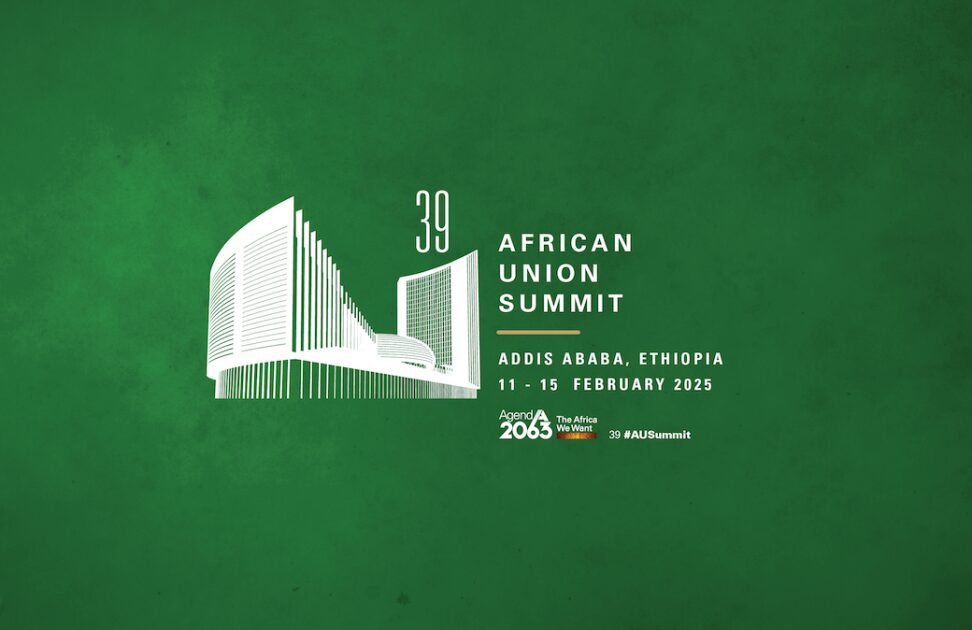
AU Summit media accreditation opened for journalists planning to cover the African Union’s February 2026 meetings in Addis Ababa, as the bloc steps up preparations for its first major policy cycle of the year.
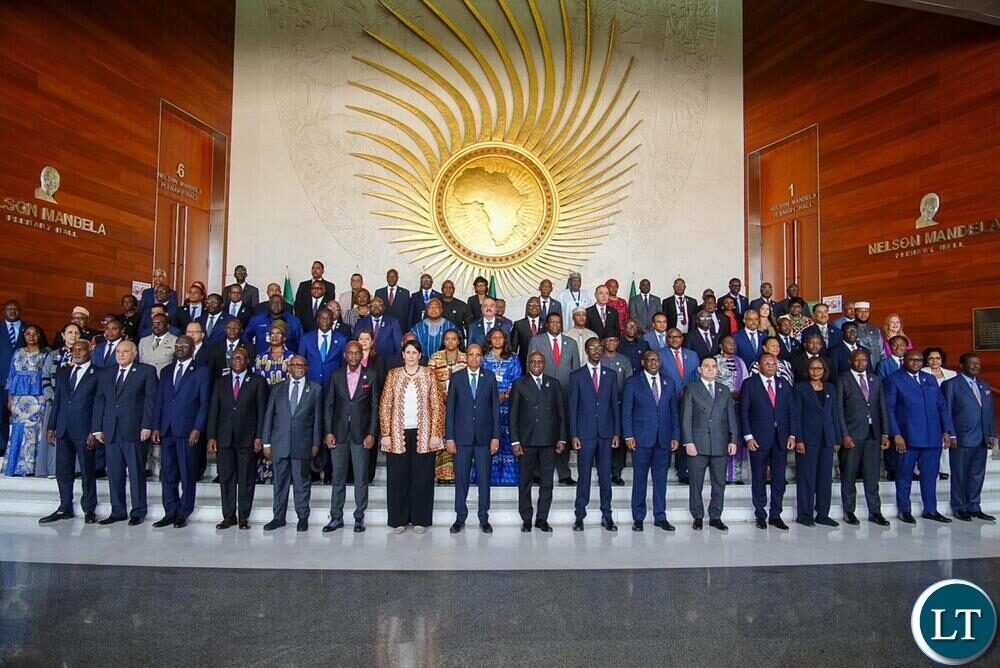
In a notice dated December 24, the AU Commission said accreditation covers three linked sessions. First, the Permanent Representatives’ Committee meets from January 12 to January 30, 2026. Next, foreign ministers meet for the Executive Council session on February 11–12. Finally, heads of state and government convene for the AU Assembly on February 14–15.
The AU set January 31, 2026 as the deadline for media registration. It also told applicants to watch for updates because meeting formats can shift. That caution matters this year because governments want tighter logistics and clearer access rules after several busy summits.
The February meetings usually drive decisions on peace and security briefings, institutional reforms, and continental priorities under Agenda 2063. Therefore, early accreditation often shapes who gets into open sessions, who secures interview slots, and who receives official documents on time.
For media houses, the January PRC run-up also matters. It is where ambassadors handle drafts and negotiate language before ministers and presidents arrive. As a result, reporters who cover PRC can often spot deal-breakers early, and then track how they change during the ministerial week.
Next steps — AU Summit media accreditation
The AU Commission said accredited journalists can cover open sessions physically at AU headquarters. Meanwhile, it encouraged reporters seeking leadership interviews to route requests through the Commission’s media coordination team. It also warned that it does not pay participation costs, so newsrooms should budget travel and production early.
Why it matters
These meetings set the tone for 2026 diplomacy. They also influence how quickly decisions move from paper to funding, especially on security operations and institutional mandates.

 Swahili
  English
  French
  Portuguese
  Chinese