Wednesday 28th January 2026
By inAfrika Newsroom
East Africa airport expansion is accelerating across the region despite persistent financial strain at several state-linked airlines, highlighting a widening gap between infrastructure ambitions and carrier balance sheets.
A Reuters/Refinitiv briefing noted that Kenya’s decision to cancel a $1.8 billion deal previously awarded to India’s Adani Group for the expansion of Nairobi’s Jomo Kenyatta International Airport has not dampened appetite for large aviation projects in the region.
The tension is structural. Airports are long-lived national assets that can support tourism, trade logistics, and hub ambitions for decades. Airlines, however, face short-cycle shocks: currency swings, fuel costs, leasing obligations, and volatile demand. When national carriers lose money, governments often subsidise them or seek strategic partners, creating fiscal and political sensitivities.
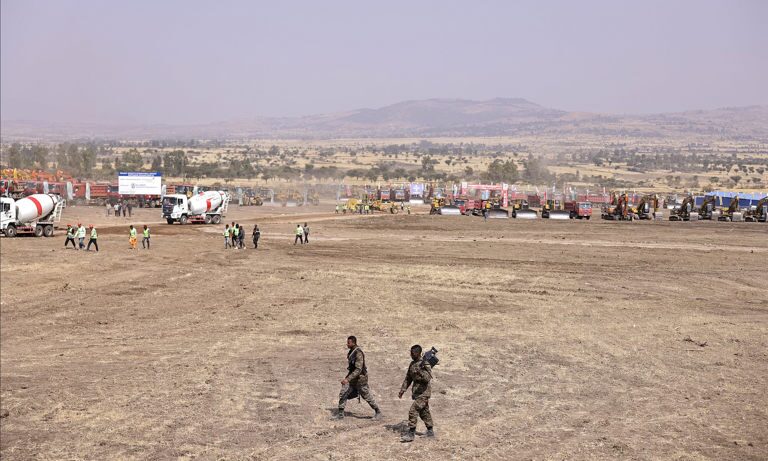
Ethiopia’s aviation model is frequently cited because Ethiopian Airlines has maintained scale and profitability relative to many peers, and the country has launched an ambitious plan for what officials describe as Africa’s biggest airport project near Bishoftu, designed for 110 million passengers a year when complete.
Elsewhere, policymakers are attempting to build hub capacity while wrestling with how to fund national carriers, regulate airport charges, and attract private capital without losing strategic control.
Investors and lenders increasingly ask whether aviation infrastructure plans are matched by realistic traffic projections, credible airline partners, and governance frameworks that protect revenues and maintenance standards. Where those links are weak, new terminals can become underutilised assets rather than growth engines.
Next steps
East Africa airport expansion plans are likely to drive renewed scrutiny of public–private partnership terms, airline restructuring options, and route-development strategies to ensure new capacity translates into sustainable traffic and revenues.
Why it matters
Aviation capacity shapes tourism earnings, air cargo reliability, and regional integration, but mismatched airport and airline economics can deepen fiscal risks and weaken service quality.

 Swahili
  English
  French
  Portuguese
  Chinese