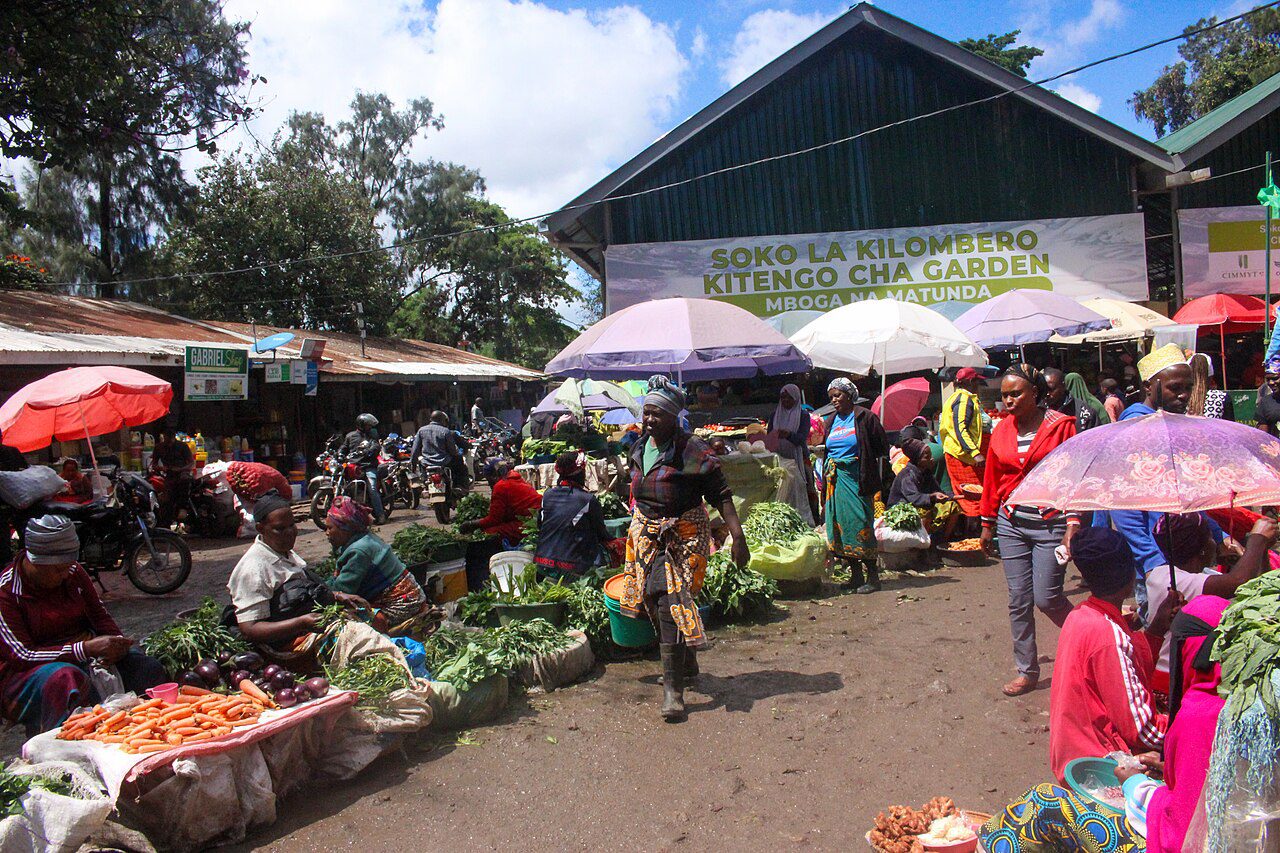
Illustrative file photograph: Kilombero Market, Arusha; capture date unconfirmed because the source description and camera metadata differ. No East Africa Foods affiliation is established for people pictured. Photo: Adamshaha2030 / Wikimedia Commons, CC0.
By inAfrika Newsroom
East Africa Foods’ approximately USD 40 million capital raise puts investment in Tanzania’s food distribution infrastructure alongside expansion into Kenya. The financing was announced by the Private Infrastructure Development Group on 7 October 2026; this article examines that earlier transaction and its practical implications, rather than presenting it as a new deal on 29 October.
The package includes USD 26 million in Series B equity led by PIDG through InfraCo, alongside Oikocredit and FMO. Existing shareholders participated, while the broader capital raise includes debt funding from the Schmidt Family Foundation.
PIDG describes the investment as support for storage, processing, logistics and digital systems, deepening the company’s Tanzanian operations and entering new markets in Kenya. Its portfolio description includes collection and fulfilment facilities, handling infrastructure and transport capacity.
The business model makes the physical work behind a digital food platform particularly important. An order-management system can connect buyers and suppliers, but produce still has to be sorted, stored in suitable conditions and delivered in saleable form.
New facilities do not automatically produce lower retail prices or higher farm incomes. Those outcomes depend on utilisation, handling costs, payment terms and whether quality gains survive the journey between collection and the buyer.
The next evidence to watch is operational: facilities commissioned, delivery reliability, measured losses and payments reaching suppliers. These measures would test the investment’s benefits more directly than capital raised alone, complementing InAfrika’s explainer on measuring food losses before choosing equipment.
The Ujuzi Kwanza programme plans 100 trainees annually, with practical machinery skills intended to strengthen the services behind agricultural production.
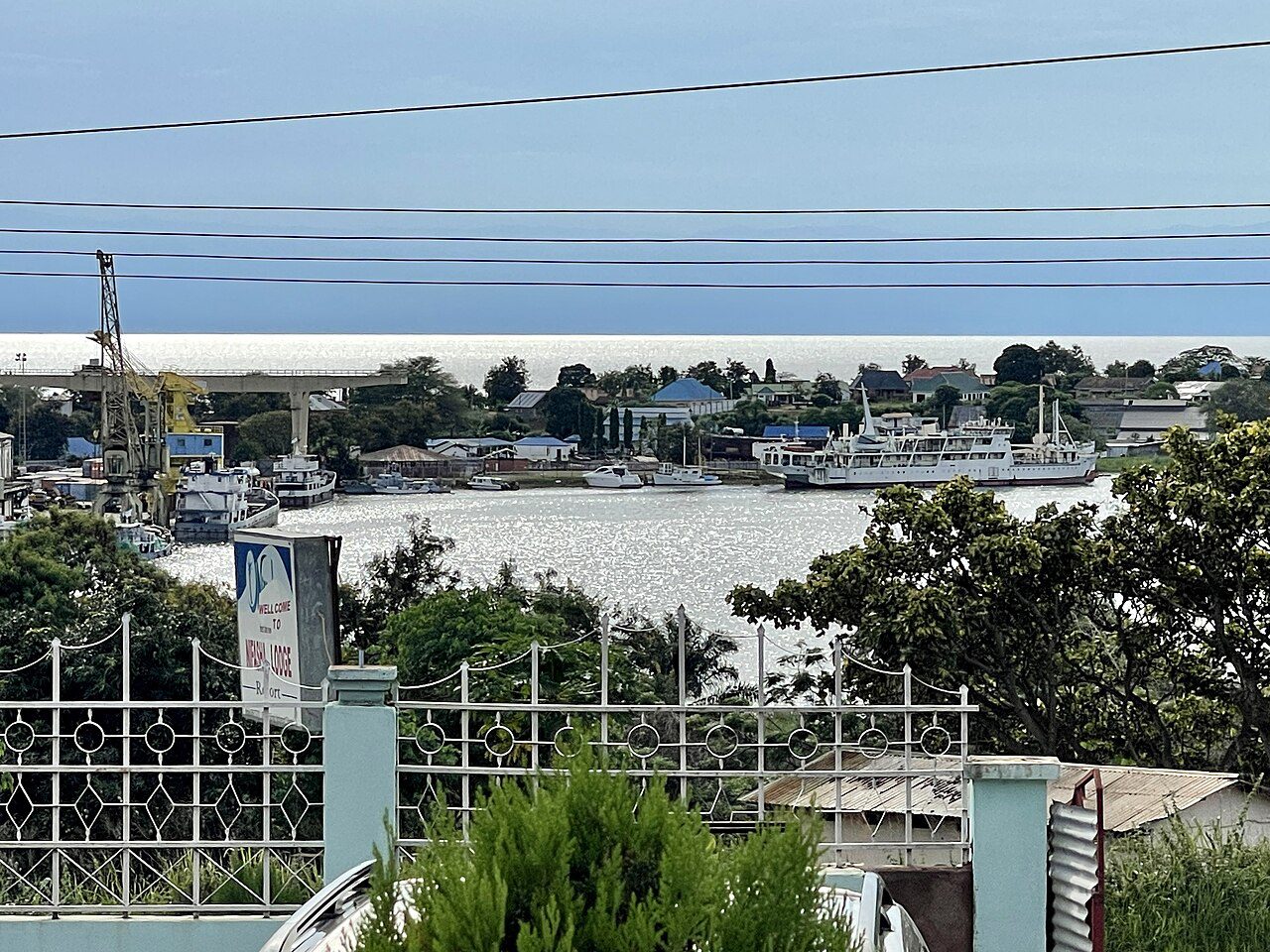
Two reported 3,000-dwt vessels would expand a route linking Congolese minerals with Kigoma, but the order does not establish an immediate increase in cargo throughput.
Existing rail transfers keep containers moving beyond the operational SGR, while direct inland receipt of international cargo still requires coordinated procedures.

 Swahili
 English
 French
 Portuguese
 Chinese