Saturday 31st October 2026
By inAfrika Newsroom
EEP Africa has allocated EUR 4.82 million in grants and repayable grants to 16 clean-energy projects across nine countries in Southern and Eastern Africa. Its announcement on 30 October reports decisions made by the fund’s Investment Committee in Nairobi on 22–23 September, rather than a new application round or completed installations.
Productive uses of energy account for ten of the selected projects, or 62.5% of the portfolio by number. Six projects are in Zimbabwe, equivalent to 37.5%; these shares describe project counts and do not establish how the financing is distributed between countries or technologies.
The fund’s account records 373 applications, compared with 625 in 2025, and attributes much of the decline to restrictions on eligible themes in five markets. The lower number should therefore not be treated by itself as evidence that demand for clean-energy investment has weakened.
EEP Africa also reduced the maximum grant from EUR 1 million to EUR 500,000 against a smaller EUR 5 million financing quota. The EUR 4.82 million allocation combines two instruments: a grant does not have the same financial obligations as a repayable grant.
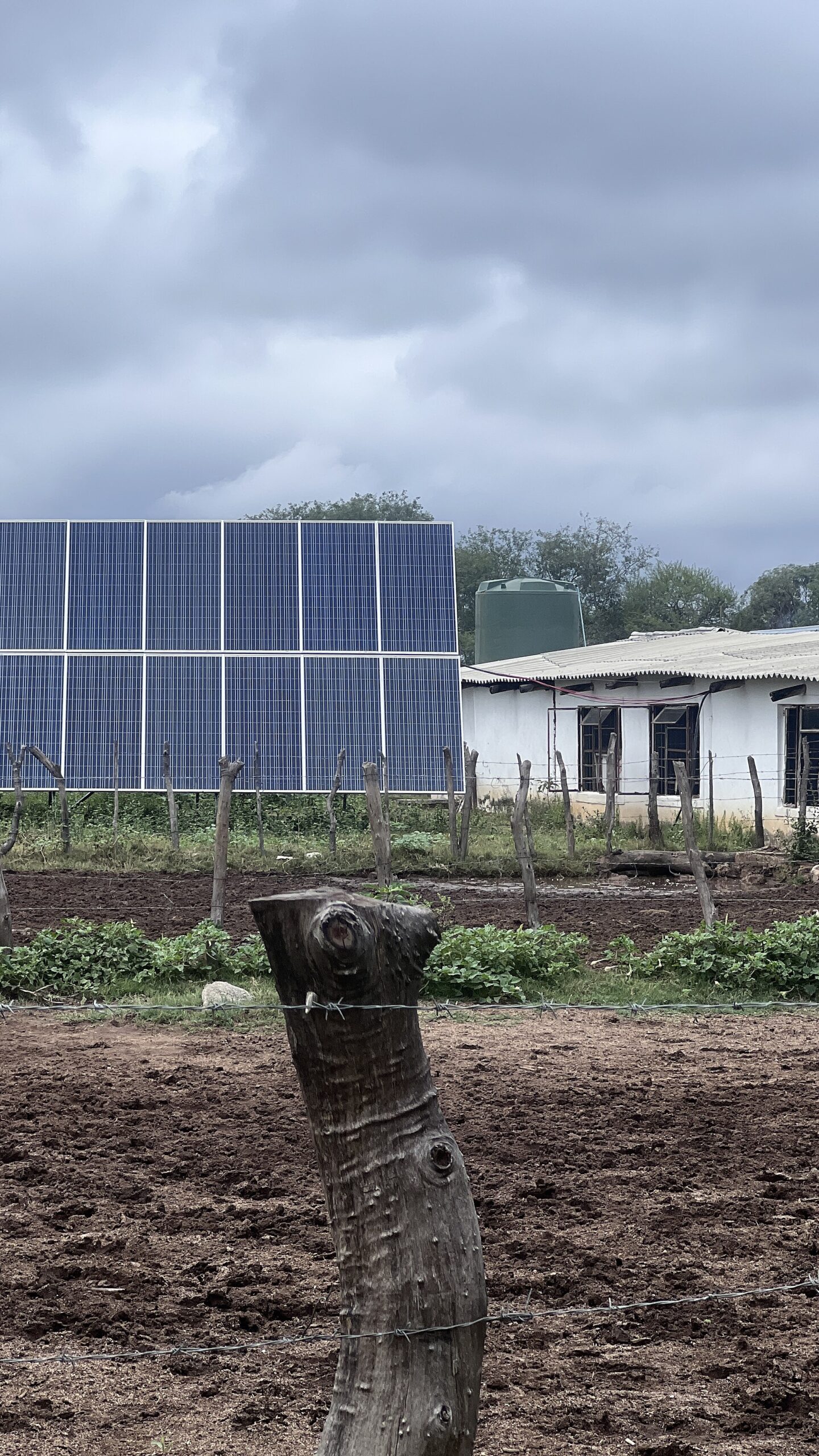
The concentration on productive energy raises a practical development question. Electricity creates business value when a customer can use it reliably to deliver a service or make a product that buyers want, and when operating costs remain affordable after initial support ends.
A pump, cold room or processing machine illustrates that distinction. Equipment capacity alone cannot show whether sales will cover maintenance, replacement parts and repayments; evidence of utilisation and customer payments is needed to assess a commercially durable service.
The selection totals also require care when discussing inclusion. EEP Africa says a quarter of selected companies are majority women-owned, a company-level ownership measure that should not be confused with the share of women among employees, customers or ultimate beneficiaries.
The 2026 call’s published timetable places enhanced due diligence and contracting from October onwards. Tracking those steps, disbursements and operational results will show how approvals translate into services, complementing the regional debate on energy for agricultural production.
Have a verified news development or story? Send news submissions and supporting materials to news@inafrika.co.tz

 Swahili
 English
 French
 Portuguese
 Chinese