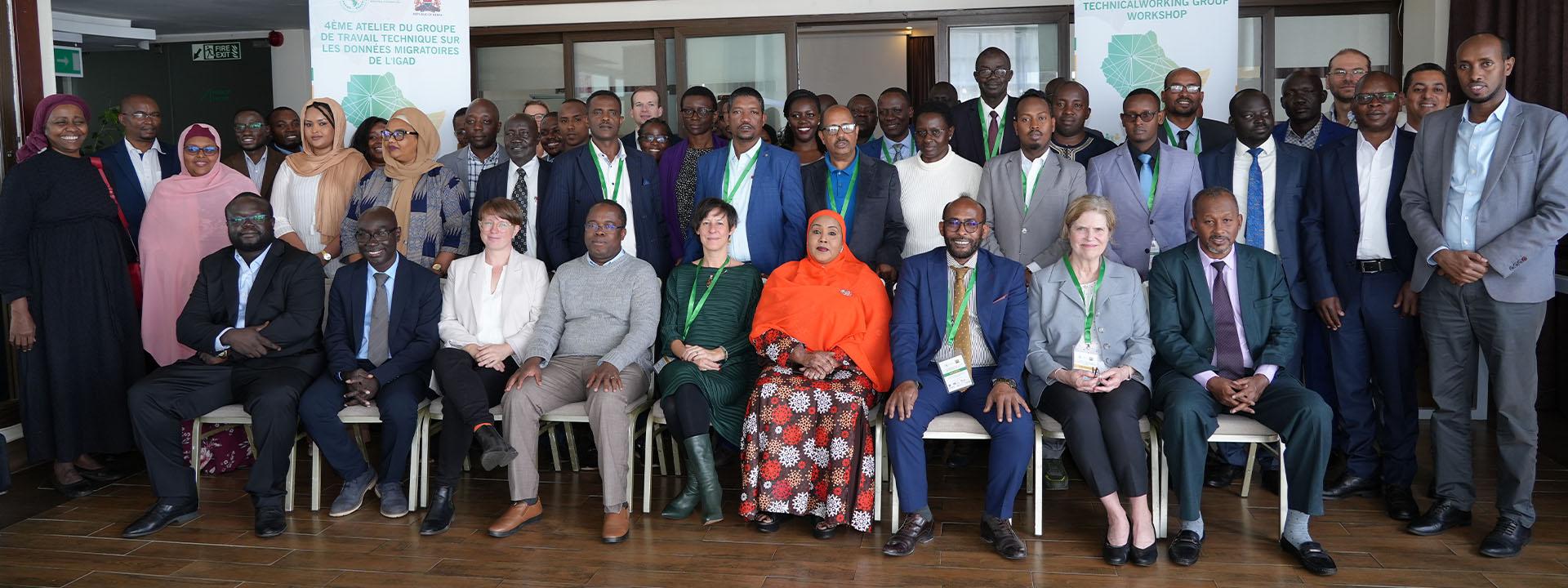
IGAD displacement data work moved forward this week as technical experts from member states met in Addis Ababa to harmonise statistics on refugees, asylum seekers, internally displaced persons and returnees. The IGAD displacement data initiative aims to align definitions, methods and data systems.
Officials said comparable numbers are vital for planning assistance and tracking durable solutions. Moreover, harmonised figures can guide social protection, budget allocations and infrastructure investment. They argued that mismatched datasets slow decisions and create gaps on the ground.
The meeting reviewed national practices for administrative records, household surveys and border registries. In addition, participants examined quality-assurance tools and ways to reconcile administrative and survey estimates. They also discussed using geospatial analysis to map population movements.
The IGAD displacement data programme responds to overlapping pressures. Conflicts, climate shocks and rapid urbanisation are reshaping mobility patterns. Therefore, governments want earlier warning and clearer baselines. Humanitarian agencies also want faster updates to reduce overlaps in aid.
Experts proposed a regional template for quarterly updates. As a result, member states would share comparable snapshots for policymakers and responders. They likewise outlined privacy and ethics safeguards to protect vulnerable populations and prevent misuse of personal data.
Capacity building remains central. Consequently, the bloc will expand training for national statistics offices and line ministries. It will also support digital tools to reduce reporting lags. Officials said they plan pilot projects to test integration with early-warning systems.
The session closed with an agreement to refine metadata standards and publish guidance on displacement modules for national surveys. Next steps include testing the template and hosting a follow-up workshop to validate methods before regional rollout.
Taken together, the IGAD displacement data effort promises a common evidence base for tough policy choices. If member states maintain momentum, the region could see more timely numbers, better-targeted assistance and clearer tracking of returns.
Wednesday 4th March 2026 By inAfrika Newsroom South Africa LNG terminal delay deepened on Wednesday after Dutch tank storage operator Vopak pushed back a final investment decision on the Zululand…
Monday 2nd March 2026 By inAfrika Newsroom A South African search-and-rescue operation expanded on Sunday after a tug boat sank off the country’s southern coast, leaving one person presumed dead…
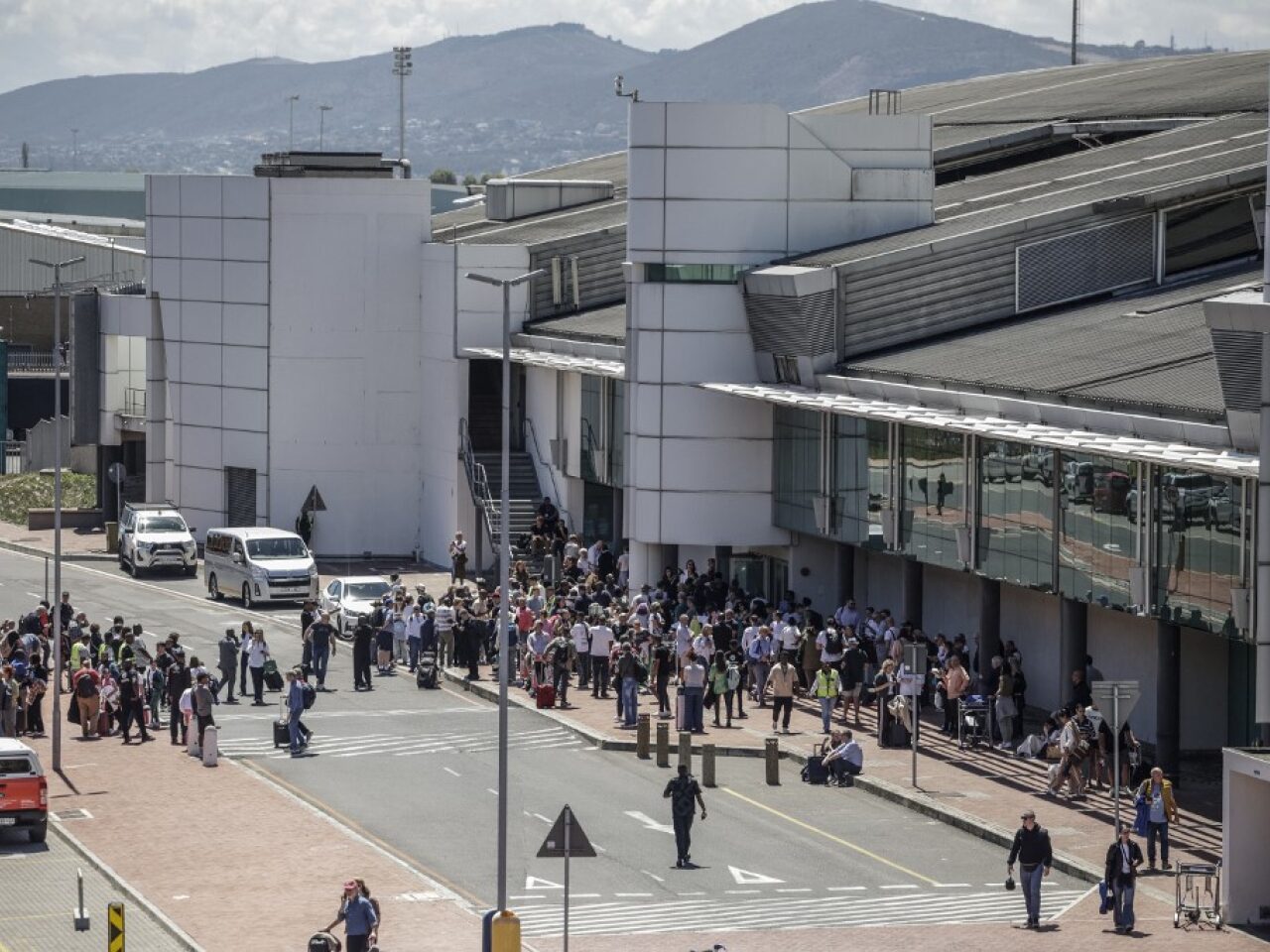
Friday 27th February 2026 By inAfrika Newsroom Cape Town airport fire disruption forced the temporary suspension of international departures and triggered diversions of inbound international flights on Tuesday after a…

 Swahili
  English
  French
  Portuguese
  Chinese