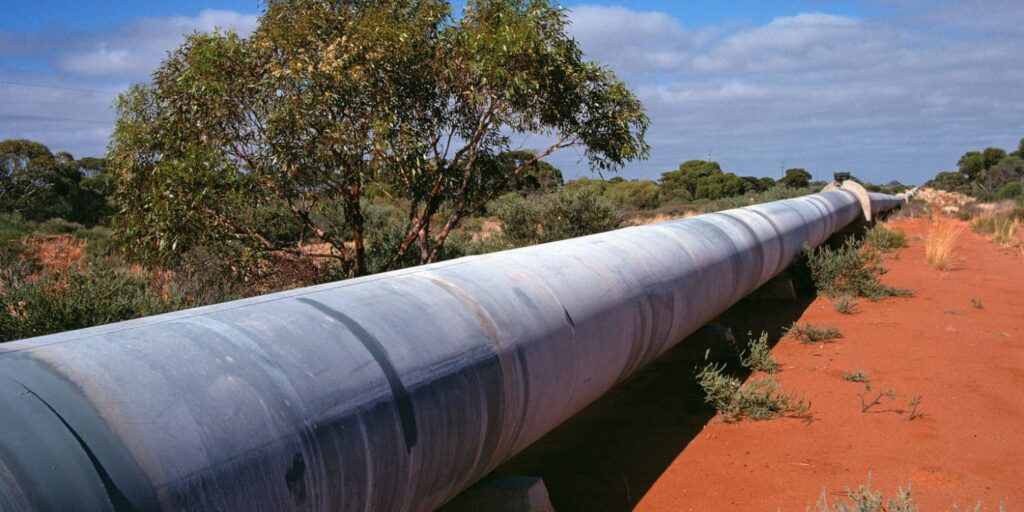
Kenya pipeline IPO launched entered its second day in focus for investors on Tuesday after the government began selling a 65% stake in the state oil pipeline company, seeking 106.3 billion shillings, in what Reuters described as East Africa’s biggest initial public offering in local currency terms.
The offer is part of President William Ruto’s broader drive to reduce state ownership in commercial entities and raise capital from markets rather than the public balance sheet. Reuters reported the government is also reducing its stake in telecoms operator Safaricom as part of the same divestment direction.
In Kenya’s fiscal context, timing matters. Public debt constraints have tightened the room for large infrastructure spending, and policymakers have been exploring market based funding, asset sales and other mechanisms to sustain investment without expanding borrowing. The pipeline IPO is being watched as a test of local liquidity and investor appetite for state linked assets.
Energy logistics sits at the centre of the story. Pipeline infrastructure underpins fuel supply stability, transport costs and industrial reliability, which is why the ownership change and governance model will matter as much as the headline fundraising figure. Investors will also watch regulatory assurances and tariff frameworks that shape long run returns.
For regional markets, the deal has signalling value. A large Kenyan listing could influence cross border portfolio allocations in East Africa and revive debate on how governments can deepen capital markets while maintaining oversight of strategic infrastructure.
The immediate question is execution. A successful sale would validate Nairobi’s privatisation pathway and provide a template for other state owned assets. A weak outcome would underscore limits in domestic savings mobilisation and market depth.
Next steps
Kenya pipeline IPO launched will proceed through its offer timetable, with investors tracking pricing signals, allocation details, and the governance framework for strategic energy infrastructure.
Why it matters
Kenya pipeline IPO launched could reshape how East African states finance infrastructure, shifting risk from public debt to market discipline while testing investor confidence in state divestments.
Wednesday 4th March 2026 By inAfrika Newsroom South Africa LNG terminal delay deepened on Wednesday after Dutch tank storage operator Vopak pushed back a final investment decision on the Zululand…
Thursday 26th February 2026 By inAfrika Newsroom Africa solar capacity growth reached a new high in 2025 after the continent added 4.5 gigawatts of photovoltaic capacity, a 54% increase from…
Wednesday 5th February 2026 By inAfrika Newsroom OPEC output falls January figures signalled a modest supply tightening after a Reuters survey found the producer group’s oil production declined by 60,000…

 Swahili
  English
  French
  Portuguese
  Chinese