Thursday 19th February 2026
By inAfrika Newsroom
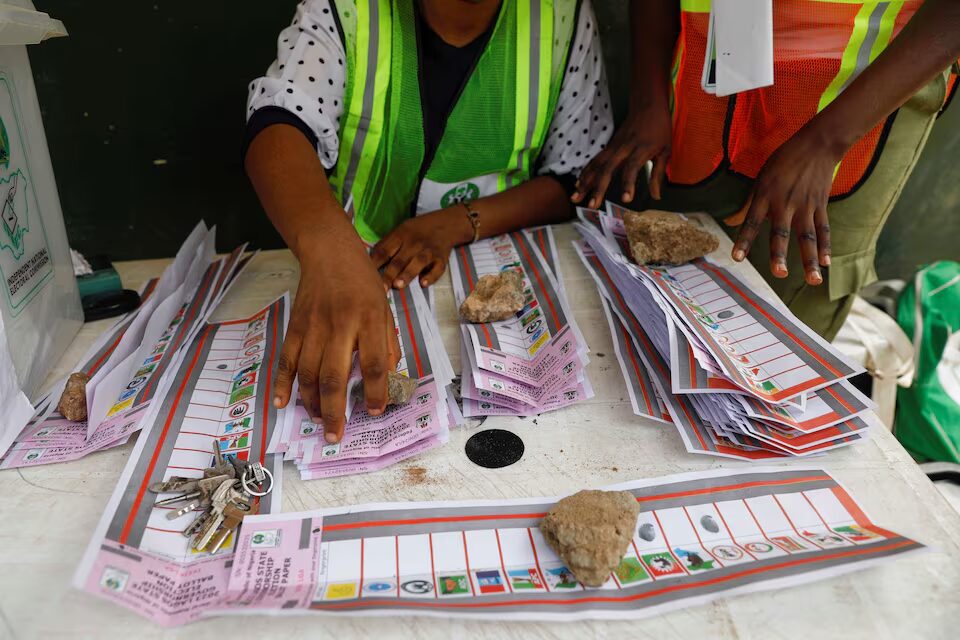
Nigeria real-time election result transmission returned to the centre of national politics after the Senate reversed an earlier position and backed a proposal requiring immediate electronic uploading of results after counting. Reuters reported the shift followed pressure from labour unions, civil society, and lawyers who argue the clause reduces manipulation during manual collation.
The Reuters report said lawmakers had earlier voted against mandating real-time electronic transmission, prompting public criticism and warnings of possible disruption. The Senate’s decision reopens a contested area of election administration in Africa’s most populous country, where credibility disputes have repeatedly tested institutions and raised investor concerns about stability and governance.
The change is tied to amendments to Nigeria’s electoral legal framework. Reuters reported lawmakers agreed to set up a joint committee of both chambers of parliament to harmonise the amended electoral act before sending it to President Bola Tinubu for assent.
Nigeria real-time election result transmission: key details
Reuters reported that the Nigeria Labour Congress warned it could call nationwide strikes or urge an election boycott unless the clause was restored. The labour body’s president, Joe Ajaero, was quoted warning of “mass action before, during and after the election, or total boycott” without real-time electronic transmission.
Supporters of electronic transmission argue that delays between counting at polling units and manual collation can create opportunities for interference. Critics have raised concerns in past debates about technical failures, uneven network coverage, and the capacity of election management systems under high load. Reuters’ report focused on the political reversal and the pressure campaign that preceded it.
Across Africa, election bodies have increased use of electronic voter registers, biometric checks, and digital result portals, but implementation differs sharply by country and infrastructure conditions. Nigeria’s size and the scale of its polling operations often make technology choices more politically sensitive, because failures can rapidly become legitimacy disputes.
The Reuters story framed the Senate’s decision as a response to domestic outcry rather than a routine legislative adjustment. It also underlined how organised labour and civil society can influence electoral law design in a period of heightened public scrutiny. The joint harmonisation step matters because it determines whether the final bill language matches the Senate’s revised position and whether implementation requirements become binding in law. Any assent process will also focus attention on administrative readiness, including training, audit procedures, and technical resilience for real-time uploads.

 Swahili
  English
  French
  Portuguese
  Chinese