Wednesday 28th January 2026
By inAfrika Newsroom
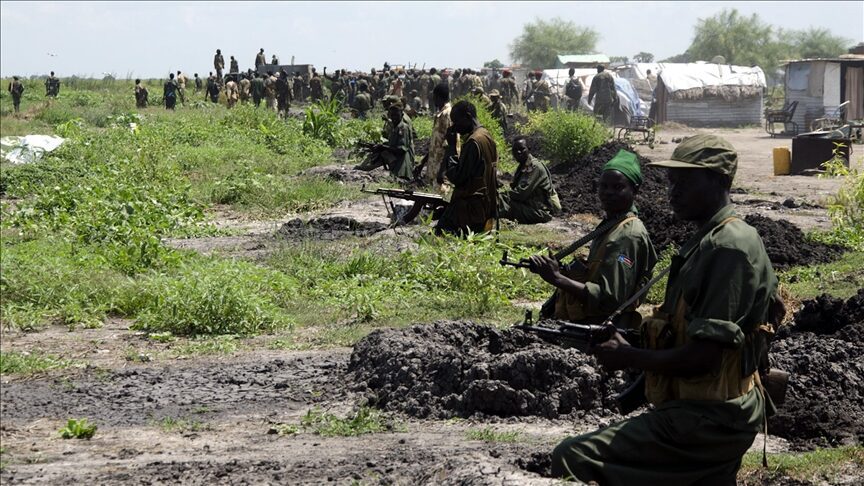
South Sudan Jonglei offensive operations have escalated after the government launched what it called a major military push to regain territory from opposition-linked forces, ordering civilians and aid groups to leave parts of Jonglei state amid rising fears for civilian safety.
The Associated Press reported that the military operation follows recent territorial losses and comes with sharp warnings from international actors, including the United Nations, about heightened risks to civilians in areas shaped by ethnic tensions and militia dynamics.
The deteriorating security picture has revived concerns about the durability of South Sudan’s 2018 peace deal, which established a power-sharing arrangement but has repeatedly struggled under localised violence, command rivalries, and contested control of territory.
AP reported that former vice president Riek Machar is under house arrest and facing treason-related accusations, a development his allies frame as politically motivated and inconsistent with the peace deal.
The report also noted controversy around the deployment of a commander with a history of militia leadership into Nuer-dominated areas, adding to fears of reprisal attacks and mass displacement.
For humanitarian agencies, evacuation orders can create operational paralysis. When aid groups pull back, access to food, health services, and protection support often collapses first in the very locations facing the highest risks. That can accelerate displacement and deepen insecurity as communities compete for scarce resources.
Next steps
South Sudan Jonglei offensive planning will likely be followed by negotiations over humanitarian corridors, civilian protection monitoring, and pressure on political leaders to reaffirm or renegotiate security arrangements under the peace framework.
Why it matters
South Sudan’s stability affects refugee flows, cross-border trade, and regional security in the Horn of Africa, while renewed conflict would deepen one of the continent’s most severe humanitarian crises.

 Swahili
  English
  French
  Portuguese
  Chinese