Thursday 8th January 2026
By inAfrika Newsroom
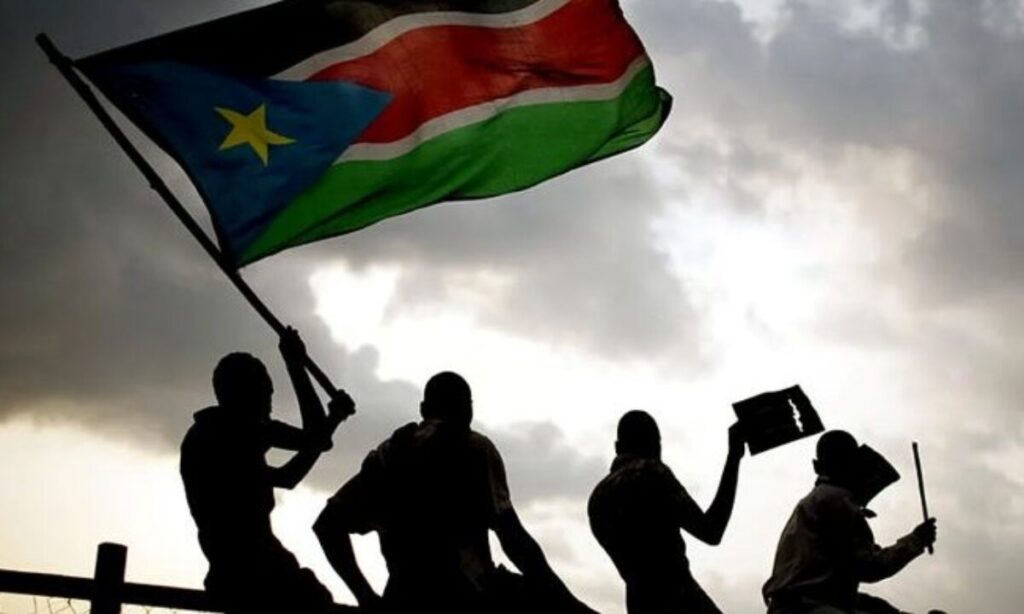
South Sudan TPS termination was scheduled to take effect late today in the United States, ending deportation protections first granted in 2011. However, a federal court order issued last week has temporarily blocked the termination, keeping protections in place while the case proceeds.
The Federal Register notice set the effective termination at 11:59 p.m. local time on January 5, 2026. Meanwhile, the U.S. Citizenship and Immigration Services has updated guidance reflecting the court action and the timeline around the planned end date.
Reuters reported that a U.S. District Judge issued an emergency injunction on December 30, 2025, after a lawsuit argued that ending TPS would expose South Sudanese nationals to harm given the country’s ongoing humanitarian crisis. As a result, TPS holders do not lose their status today under the injunction, at least for now.
Moreover, TPS covers a small but vulnerable population. Reuters reported that about 232 South Sudanese nationals were covered, with additional applications pending. Therefore, the ruling has immediate consequences for work authorization and family stability among diaspora communities.
However, the legal fight is broader than one court date. The termination decision was justified by U.S. officials as tied to improved conditions, while plaintiffs argue the opposite. Meanwhile, South Sudan continues to face conflict risks, food insecurity, and heavy reliance on aid, which advocates cite as reasons protections should remain.
In addition, the case is being closely watched in Africa, since remittances often support relatives back home. Consequently, any sudden loss of legal work status in the U.S. could ripple into household incomes in South Sudan.
Next steps: South Sudan TPS termination
The court will consider further filings and set timelines for arguments. Meanwhile, USCIS guidance remains central for employers and TPS holders who need clarity on documentation and work authorization. Also, diaspora groups are expected to increase advocacy as the case moves forward.
Why it matters
Migration policy can shift quickly, and legal status affects work, housing, and schooling. Therefore, the injunction provides short-term stability for families. Moreover, the outcome can affect remittance flows and return pressures for a country still facing deep fragility.

 Swahili
  English
  French
  Portuguese
  Chinese