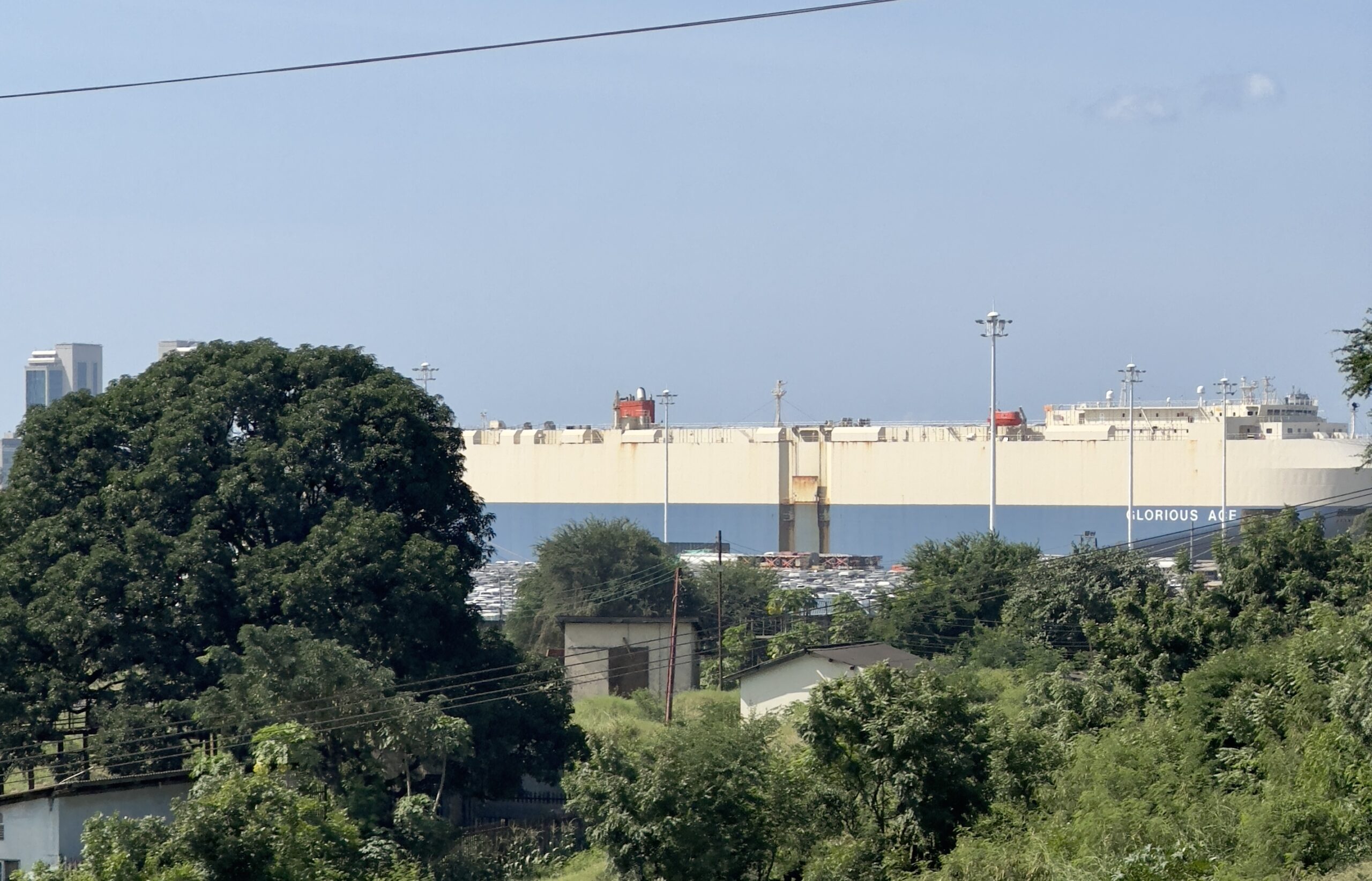
Dar es Salaam port viewed from Kurasini, 23 June 2023. Illustrative file photograph of the Indian Ocean gateway, not the presidential visit or proposed rail connection. Photo: Mangapwani / Wikimedia Commons, CC BY-SA 4.0. Resized.
By inAfrika Newsroom
Tanzania and Angola have reaffirmed plans to connect their Indian Ocean and Atlantic transport corridors through railway links involving Zambia and the Democratic Republic of Congo. The initiative signals closer cooperation over freight routes, but published accounts do not establish a completed connection or an opening date.
The Citizen reported on 30 October that President Samia Suluhu Hassan said additional railway infrastructure was still needed to connect the networks. She and Angolan President João Lourenço discussed regional integration during his 28–30 October visit to Tanzania.
Reuters also reported the proposed corridor connection on 30 October, linking Tanzania’s route to Dar es Salaam with Angola’s Benguela railway and the Lobito corridor. Its account said no completion date had been given.
The commercial question is how separate railways, ports and border procedures can function as a dependable transport service. Cargo owners need more than a line on a map: they need predictable departure schedules, clear responsibility for each leg and a price for moving goods through the full route.
That makes cooperation between the two coastlines potentially important for inland producers and importers. Access to alternative gateways can widen routing options, although the benefits depend on capacity, reliability and the total cost of reaching customers.
The proposal should also be distinguished from work already announced on individual corridor sections. InAfrika’s recent coverage of Zambia–Lobito contractor selection concerns a separate project milestone, rather than proof that an entire inter-ocean service is operational.
Businesses assessing the opportunity should watch the implementation details: the connections to be built, the financing committed and the agreements governing cross-border operations. These will determine whether political cooperation produces a service that logistics firms can offer and manufacturers can incorporate into delivery commitments.
Neither the announcement of cooperation nor the leaders’ train journey establishes that freight can now travel seamlessly between the two oceans. A useful next update would identify responsible implementing institutions, funded works and a timetable against which delivery can be checked.
Have a verified news development or story? Send news submissions and supporting materials to news@inafrika.co.tz
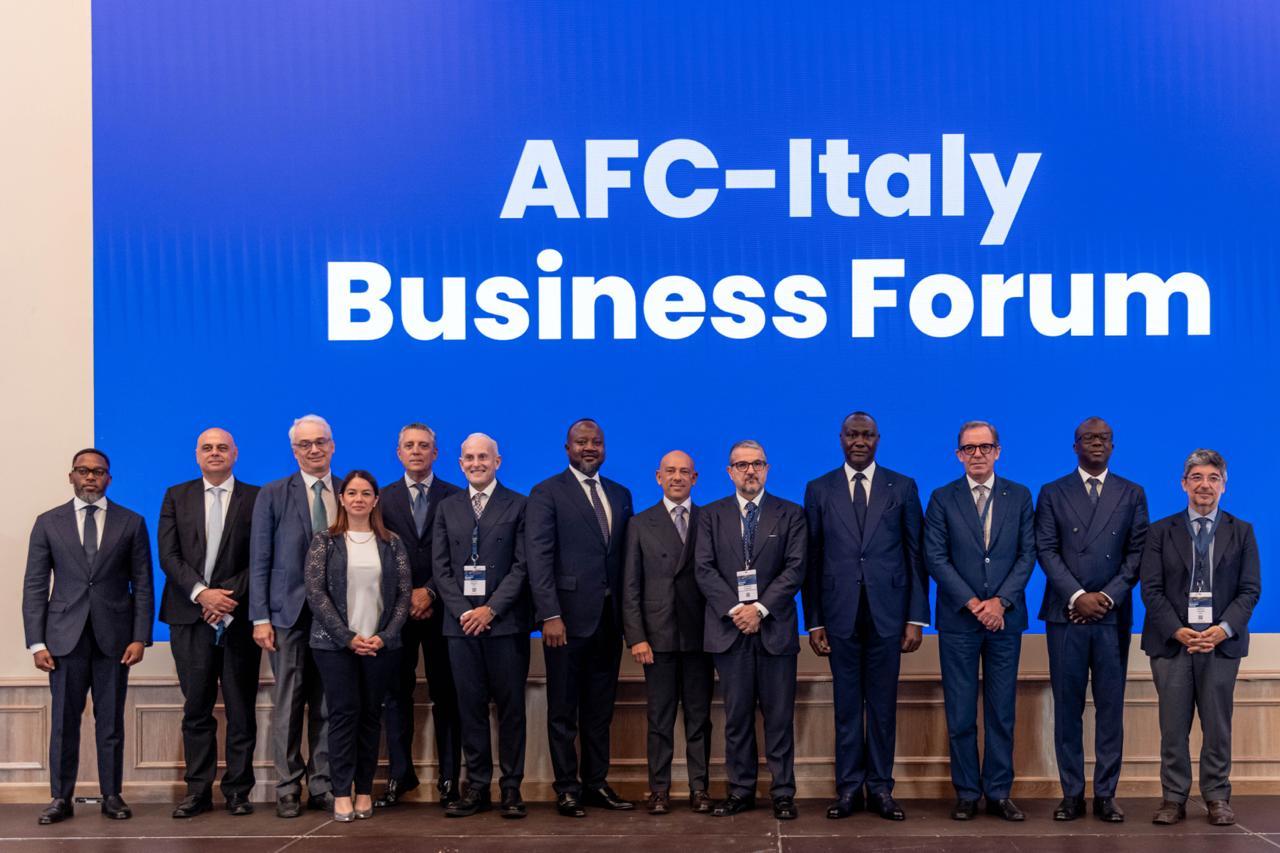
AFC's June 2026 agreements with Italian institutions target project preparation, financing and industrial partnerships. The frameworks do not represent a single new disbursement.

 Swahili
 English
 French
 Portuguese
 Chinese