Wednesday 28th January 2026
By inAfrika Newsroom
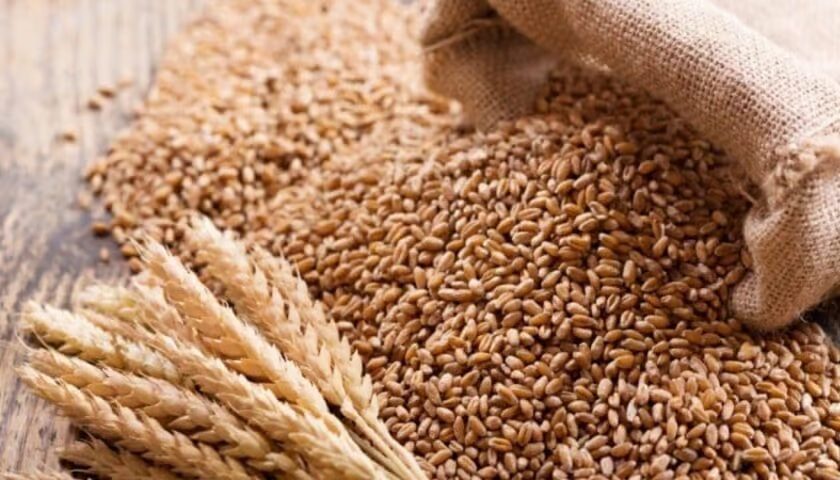
Tunisia wheat tender purchases were reported on Wednesday after traders said the country bought about 100,000 tonnes of soft wheat and roughly 100,000 tonnes of durum wheat, underscoring North Africa’s continued reliance on imports amid food-price sensitivity.
The Reuters-cited trade reporting said the soft wheat was believed to have been bought at the estimated lowest price of $256.16 per tonne, reflecting how buyers are tracking global grain moves closely as budgets tighten and demand remains steady.
Tunisia imports wheat to support a staple-heavy consumption pattern and a subsidy system that aims to keep bread affordable. That makes procurement both an economic and political issue. When international prices rise or supplies tighten, governments face difficult choices between fiscal stress and consumer stability.
The tender also highlights a broader African pattern. Many countries have increased their focus on strategic grain reserves, diversified supply routes, and procurement timing to reduce exposure to volatility. For drought-prone and import-dependent states, tender outcomes can influence inflation paths and foreign exchange demand.
Durum wheat is particularly important because it feeds pasta and semolina production. In North Africa, durum supply has become more visible in policy debates as households react quickly to price changes for core food items.
Market analysts said the headline tonnage is less important than continuity: regular purchases help prevent domestic shortages, but they also lock in ongoing foreign currency commitments at a time when several African economies are prioritising reserves for fuel, medicines, and capital goods.
Next steps
Tunisia wheat tender execution now turns to shipment schedules, payment terms, and whether additional tenders are issued if local crop performance or stock levels require further imports.
Why it matters
Wheat procurement affects inflation and social stability across North Africa, and it shapes fiscal pressure through subsidies, especially when global food markets become volatile.

 Swahili
  English
  French
  Portuguese
  Chinese