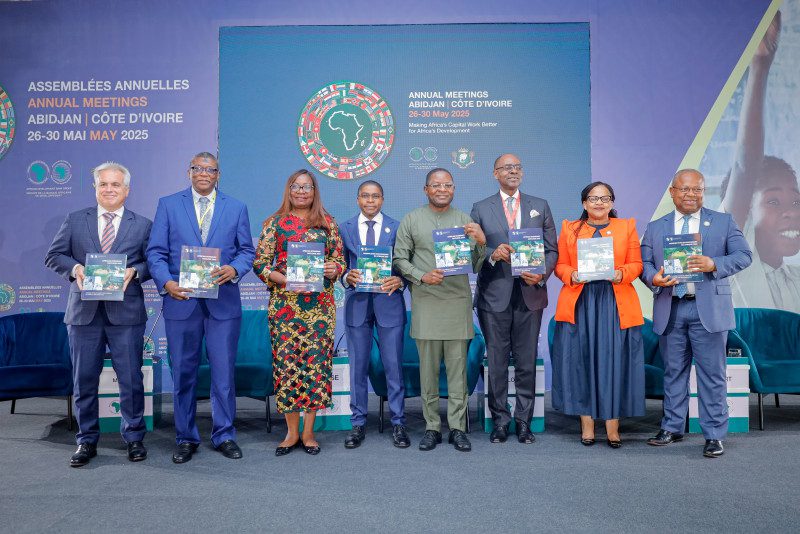
The African Development Bank (AfDB) has upgraded the Africa economic outlook 2025, projecting continental GDP growth of about 4.2% next year and 4.3% in 2026, up from earlier estimates and well above global averages.
In its 2025 African Economic Outlook, the Bank says Africa’s economy will accelerate from roughly 3.3% in 2024, helped by stronger services, recovering agriculture and ongoing investment in energy and transport infrastructure. The report stresses that, despite global headwinds, Africa remains the world’s second-fastest-growing region after Asia.
AfDB Chief Economist Kevin Chika Urama notes that domestic resource mobilisation will be central to sustaining the improved Africa economic outlook 2025. The report estimates that, with better tax systems, reduced leakages and stronger institutions, African countries could unlock an extra US$1.43 trillion from their own resources in the coming years.
Yet risks remain high. Fifteen countries still face double-digit inflation, while interest payments now absorb about 27.5% of government revenue, up from 19% in 2019. Currency volatility, climate shocks and political transitions also threaten to derail gains if reforms stall.
Meanwhile, consumer confidence in key markets such as South Africa has ticked up on the back of easing inflation, lower fuel prices and modest job gains, offering some support to retail and investment sentiment.
Next steps for Africa economic outlook 2025
AfDB urges governments to accelerate fiscal reforms, including digitalised tax administration, broader tax bases and stricter action on illicit financial flows. It also calls for deeper local capital markets, more transparent management of natural resources and full implementation of AfCFTA to boost intra-African trade and value addition.
For investors, the improved Africa economic outlook 2025 offers a clearer backdrop for long-term bets in infrastructure, digital services, agribusiness and manufacturing. However, portfolio managers still watch debt sustainability and governance indicators closely when allocating capital.
Why it matters
After several years of shocks—from the pandemic to food and fuel price spikes—the prospect of growth above 4% gives African policy-makers room to plan, not just firefight. A stronger baseline makes it easier to invest in health, education and climate resilience.
If countries use this window to fix public finances, close leakages and expand regional trade, the current upturn could mark the start of a more durable, transformative trajectory rather than just another short rebound.
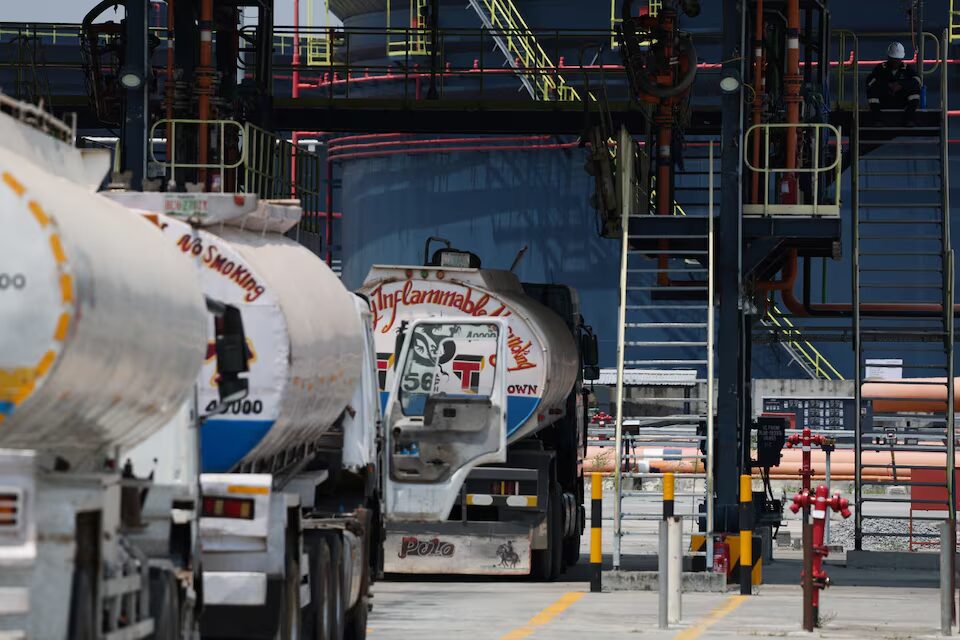
Wednesday 4th March 2026 By inAfrika Newsroom Dangote refinery jet fuel tender activity increased this week after a trade source said Nigeria’s Dangote oil refinery issued tenders to sell jet…
Tuesday 3rd March 2026 By inAfrika Newsroom The U.S. dollar’s rapid rally paused on Thursday as market sentiment turned slightly more upbeat on expectations that the Middle East conflict may…
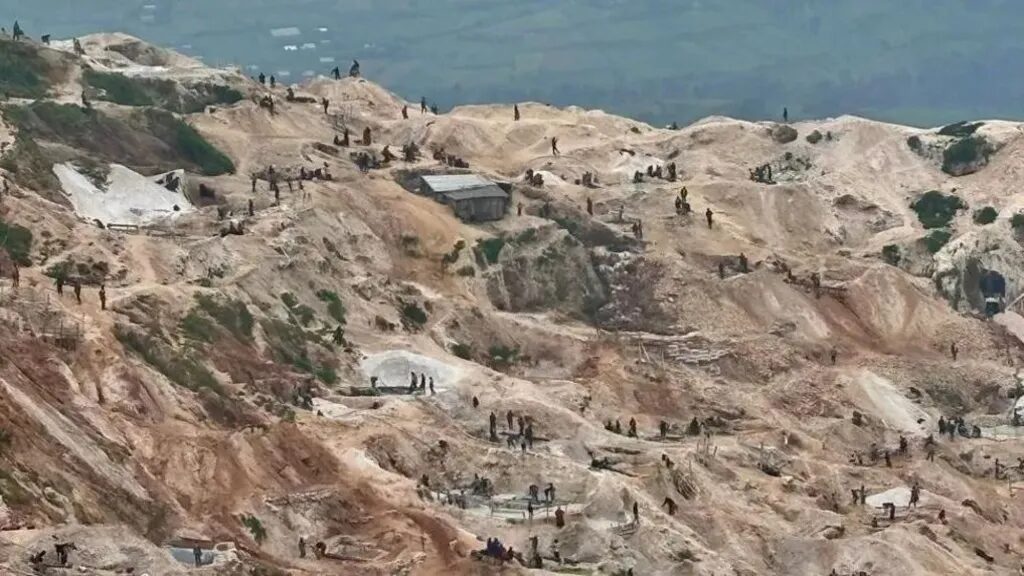
Monday 2nd March 2026 By inAfrika Newsroom More than 200 people died in a landslide triggered by heavy rains at the Rubaya coltan mine in eastern Democratic Republic of Congo,…

 Chinese
  English
  Swahili
  French
  Portuguese