
 简体中文
 English
 Kiswahili
 Français
 Português

Ramaphosa confirms 28 November state funeral for Mlambo-Ngcuka
South Africa sets a 24 November memorial and 28 November state funeral for Phumzile Mlambo-Ngcuka, with separate deadlines for media accreditation.
Monday 29th December 2025
By inAfrika Newsroom
A 2025 report on African digital ID governance examines how biometric identification systems can create barriers to public services when safeguards are weak. The Institute of Development Studies report assesses digital ID systems in ten countries: Botswana, Côte d’Ivoire, the Democratic Republic of the Congo, Egypt, Ethiopia, Liberia, Malawi, Namibia, Senegal and Tunisia.
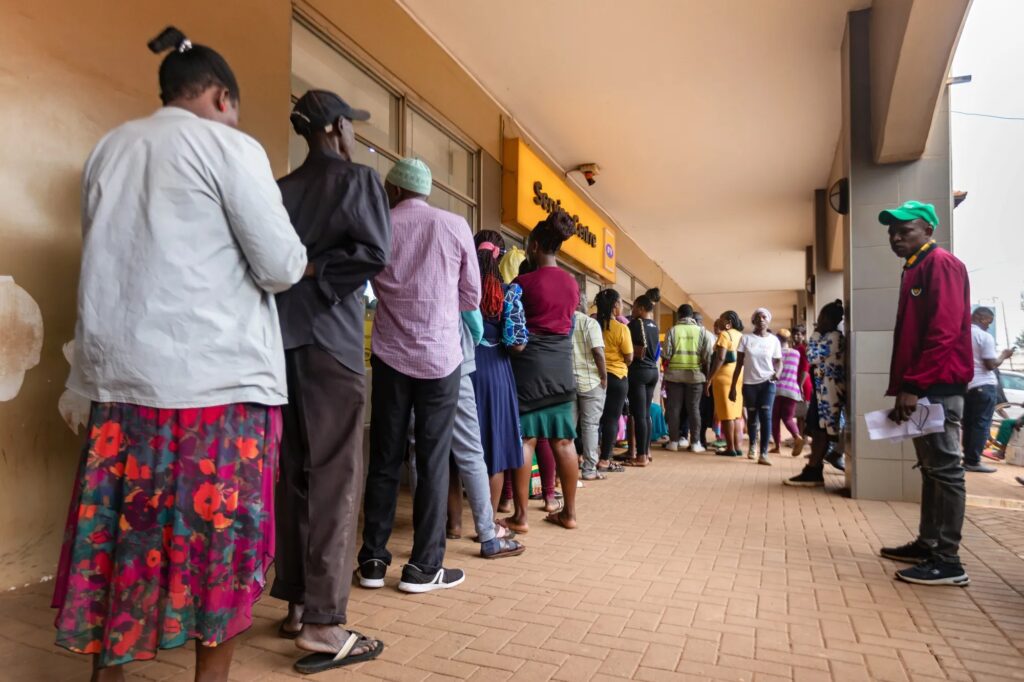
Researchers from the African Digital Rights Network and the Institute of Development Studies found that many systems now act as “gatekeepers” for voting, health care, social protection and education. People who cannot enrol, or who are wrongly flagged by biometric checks, risk being cut off from basic rights and services.
The report says legal safeguards are weak in several states, with gaps in data-protection laws, limited powers for regulators and few remedies for citizens. A related paper on digital-ID in Liberia warns that sensitive biometric data is collected without mandatory risk assessments, and that privacy rules lag behind global standards.
Separate research by CIPESA on internet freedom in Africa this year calls for independent, well-resourced data governance bodies, including AI and data-protection authorities, that can audit high-risk systems and investigate rights breaches
Next steps – African digital ID governance 2025 report.
Civil-society groups are urging governments to pause new mandatory links between digital ID and essential services until stronger guardrails are in place. They want parliaments to update data-protection laws, clarify who oversees digital-ID roll-outs and require human-rights impact assessments before new systems go live.
Meanwhile, funders are being asked to make rights-based safeguards a condition for new support. The Africa Digital Rights Fund has already opened a fresh grant window for work on data governance, biometric databases and digital ID.
Digital ID is central to Africa’s push to formalise economies, expand mobile money and deliver social support at scale. However, when systems fail or lack accountability, they can deepen exclusion instead of reducing it. The new findings give journalists, lawmakers and regulators fresh evidence that design choices matter. How African states handle digital-ID today will shape who is seen, who is invisible and who gets to participate fully in the continent’s economic and political future.
Read InAfrika’s related report on Tanzania’s 2025 GovTech assessment.
Have a verified news development or story? Send news submissions and supporting materials to news@inafrika.co.tz.