Tuesday 6th January 2026
By inAfrika Newsroom
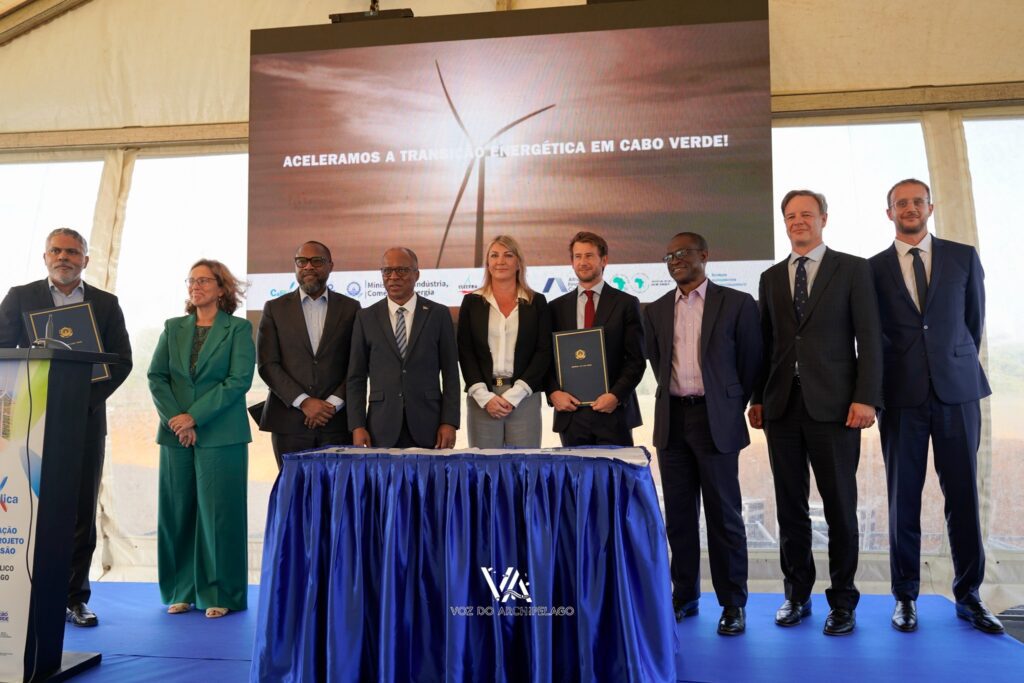
Cabeolica battery storage is approaching a key January 2026 milestone as Cabo Verde expands wind capacity and strengthens grid stability across multiple islands.
Africa Finance Corporation said the expanded Cabeolica programme includes 13.5 MW of new wind capacity on Santiago and battery energy storage across four islands, with final completion expected in January 2026 for the storage build-out.
The European Investment Bank also confirmed fresh financing support for the expansion, framing it under broader development and energy-security aims. Therefore, Cabo Verde is positioning storage as the tool that lets it integrate more renewables while reducing reliance on imported fossil fuels.
Storage matters in island grids because demand spikes fast and balancing options stay limited. Meanwhile, wind output can fluctuate, so batteries can smooth supply and reduce grid stress. As a result, operators can run fewer costly thermal units and still maintain frequency control.
Cabeolica already plays a major role in the country’s power mix. The new phase aims to lift renewable penetration further, as the government targets stronger energy independence. In addition, the project spreads infrastructure benefits beyond the capital island, which can support tourism operations and cold-chain services.
Investors also watch the project as a replicable template. If the financing and execution hold, then similar wind-plus-storage packages could scale in other island and coastal markets. However, performance will depend on maintenance discipline and tariff structures that reward reliability.
Next steps — Cabeolica battery storage
Project teams will complete remaining storage commissioning steps by the January 2026 target. Meanwhile, lenders will track operational metrics, including grid stabilization impact and reduced thermal dispatch. If results meet projections, then more blended finance could follow for the next resilience upgrades.
Why it matters
Clean power reduces fuel import bills. It also improves grid reliability, which supports services, small industry, and tourism-led jobs.

 Chinese
  English
  Swahili
  French
  Portuguese