Friday 24th April 2026
By inAfrika Newsroom
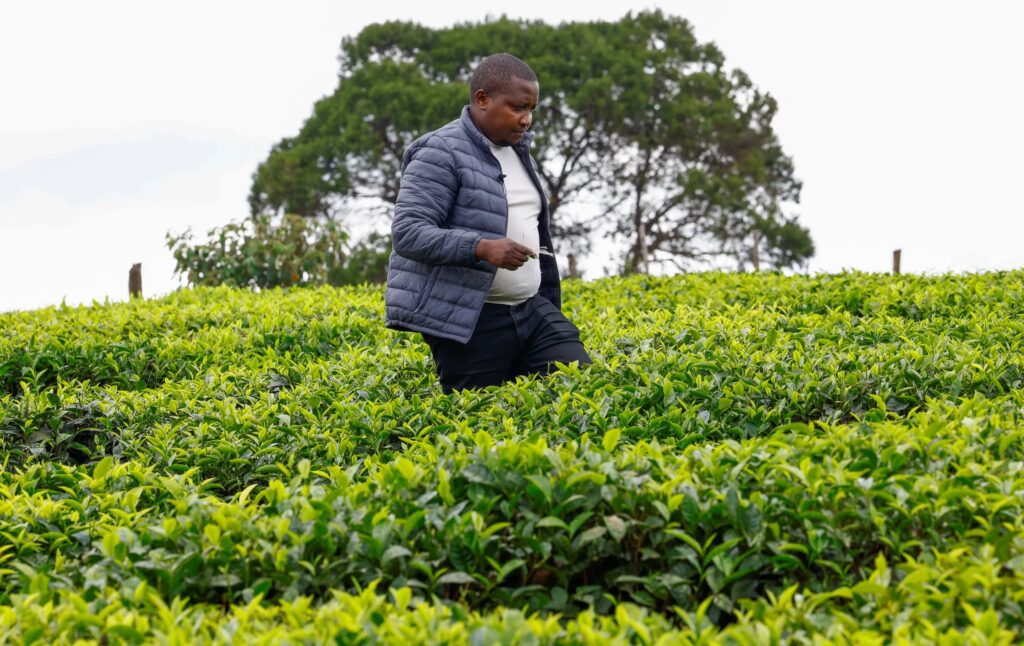
Kenya tea exports April 2026 remain under pressure after shipping disruptions left large volumes of tea stuck in Mombasa warehouses. The disruption matters now because tea is a major export earner and a key income source for farmers.
The East Africa Tea Traders Association said about 8 million kg of tea had been stuck in Mombasa for weeks. Losses since 1 March were estimated at $8 million per week.
The Middle East normally accounts for 20% to 25% of Kenya’s tea exports. However, no tea was leaving for the region at the time of the update, and buyers were reducing purchases because earlier stocks were not moving.
Shipping disruption affected the Strait of Hormuz and Bab el-Mandeb route. Major carriers rerouted vessels around Africa, suspended movements in some corridors, sent ships to shelter and imposed emergency surcharges.
Here is what Kenya tea exports mean for farmers and the Mombasa auction. When shipments slow, cash flow tightens for buyers, exporters and producers, even if auction volumes still look strong.
Kenya tea exports April 2026: What changes for businesses and households
For farmers, delayed exports can reduce payment speed and weaken demand at auction. That matters for smallholders who need regular cash to pay labour, buy inputs and support households.
For exporters, the issue is logistics cost. Longer routes, insurance, surcharges and storage all reduce margins. Some buyers may wait for clearer shipping conditions before committing to new purchases.
For Kenya’s economy, tea disruption affects foreign exchange. President William Ruto said 81% of tea offered for auction was exported in March, up from 75% a year earlier, but route-specific disruption still creates pressure.
The regional link extends to Uganda, Tanzania, Rwanda and Malawi, which also rely on agricultural exports and corridor logistics. When Mombasa faces shipment uncertainty, inland producers and traders feel the delay.

 Chinese
  English
  Swahili
  French
  Portuguese