Chinese
 English
 Swahili
 French
 Portuguese

How East Africa’s USD 200m Farm Adaptation Fund Is Designed to Work
An explainer on ARCAFIM’s lending capital, bank risk sharing and technical support for climate adaptation across four East African markets.
Monday 26th October 2026
By inAfrika Newsroom
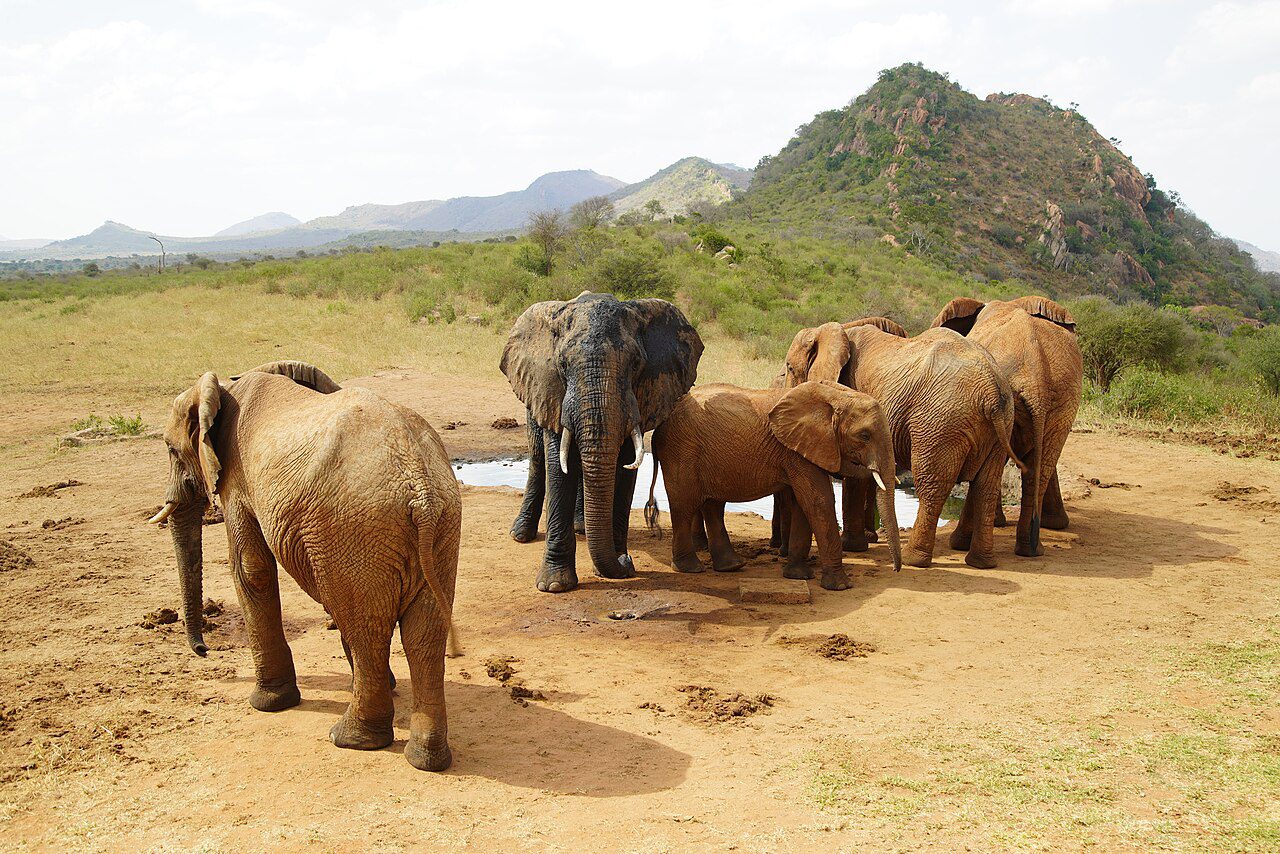
Kenya’s Thamani Asili conservation initiative sets out a ten-year financing framework worth USD 160 million, linking biodiversity protection to community livelihoods and the wildlife tourism economy. The programme was unveiled on 21 October, with funding commitments and delivery targets that will require sustained implementation.
The announcement by The Nature Conservancy describes USD 80 million to be mobilised from philanthropy and an equivalent government contribution over ten years. This is a financing framework, rather than evidence that the entire sum has already been disbursed.
Kenya Wildlife Service identifies four priority landscapes across 31 counties. It reports targets of supporting more than 130 community conservancies and benefiting about 1.6 million people, while projected employment gains should also be treated as intended outcomes.
The structure uses Project Finance for Permanence, which brings long-term conservation finance together with policy and institutional commitments. Reuters’ reporting notes that funding is conditional on government reforms, making execution as important as the headline amount.
InAfrika’s assessment is that the practical test will be whether predictable financing reaches conservation managers and communities on usable terms. Businesses linked to tourism need functioning landscapes, while nearby households need a credible share of opportunities and a workable response to the costs of living alongside wildlife.
The regional interest extends beyond Kenya because tourism itineraries, ecosystems and investor expectations cross national borders. Readers can also compare this conservation framework with the different lending approach in East Africa’s farm adaptation mechanism. Tanzania’s operators and conservation institutions can examine how the programme connects government commitments with donor capital, while recognising that the Kenyan structure cannot simply be assumed to fit a different legal setting.
Public reporting on allocations, conditions met and independently measured results will make the financing easier to assess. Until those results emerge, the launch should be understood as an important commitment whose conservation and economic benefits remain to be demonstrated.