Monday 19th January 2026
By inAfrika Newsroom
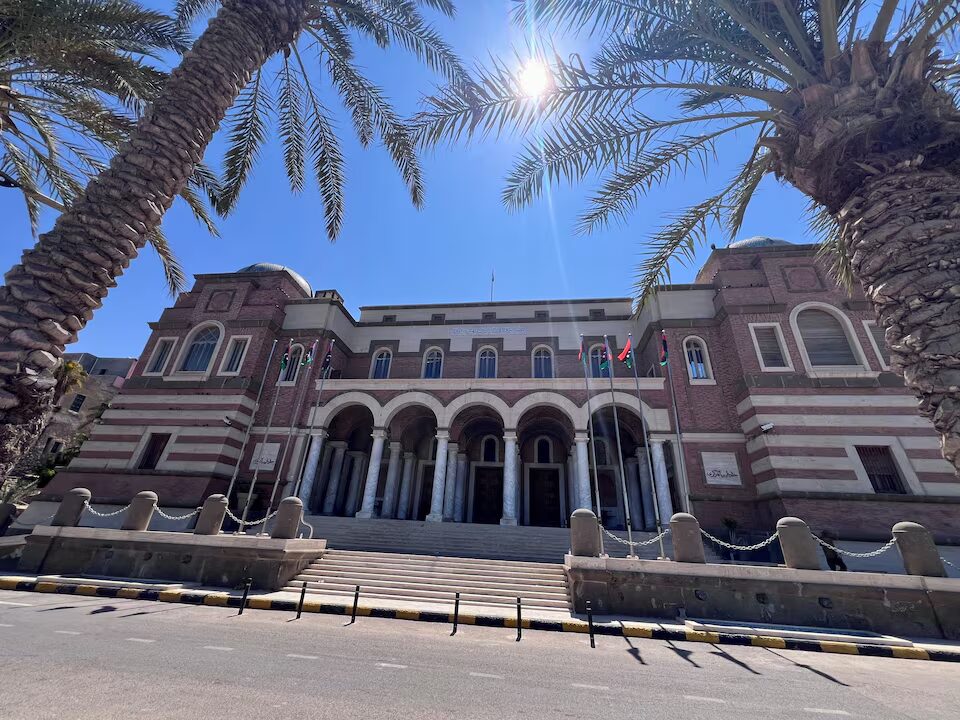
Libya’s central bank has devalued the Libyan dinar by 14.7%, a major move that resets the official exchange rate and highlights renewed pressure on the country’s oil reliant public finances. The Libya dinar devaluation comes as authorities face persistent political fragmentation, uneven oil revenue, and heavy public spending commitments.
The Central Bank of Libya set the official rate at 6.3759 dinars per US dollar, marking the second devaluation in less than a year after a 13.3% cut in April 2025. Analysts link the shift to weaker inflows and the difficulty of running coherent fiscal policy without a unified national budget and agreed spending ceilings.
Libya’s economy remains dominated by hydrocarbons. When oil prices fall or output is disrupted, state revenue tightens quickly. That exposure has been amplified by competing authorities and institutions that have struggled to align budget execution, payment priorities, and public wage commitments.
In practical terms, a weaker official rate can raise the local currency cost of imports, including food, medicines, and industrial inputs. It can also widen the gap between official and parallel market pricing if market confidence weakens, creating additional stress for businesses that rely on foreign exchange for procurement.
The central bank framed the decision as a response to mounting economic challenges, including public sector spending pressures and the absence of unified fiscal governance. For households, the short term concern is whether the adjustment passes through into prices, especially in an import dependent economy.
Libya’s experience is closely watched across North Africa because currency moves often signal broader fiscal stress. They can also trigger tighter controls, new administrative measures on access to foreign exchange, or renewed efforts to rationalise subsidies and public payroll costs.
Next steps
For Libya dinar devaluation, investors and importers will watch whether authorities pair the move with clearer FX allocation rules, tighter budget discipline, and improved coordination between rival political centres. Policy focus is likely to return to oil revenue management, public wage bills, and whether a unified budget framework can be agreed to reduce uncertainty.
Why it matters
Libya dinar devaluation affects prices, import capacity, and business planning in an economy where the state is the dominant payer. Regionally, it underscores how political division can translate into higher macroeconomic risk, even in resource rich states.

 Chinese
  English
  Swahili
  French
  Portuguese