Tuesday 20th January 2026
By inAfrika Newsroom
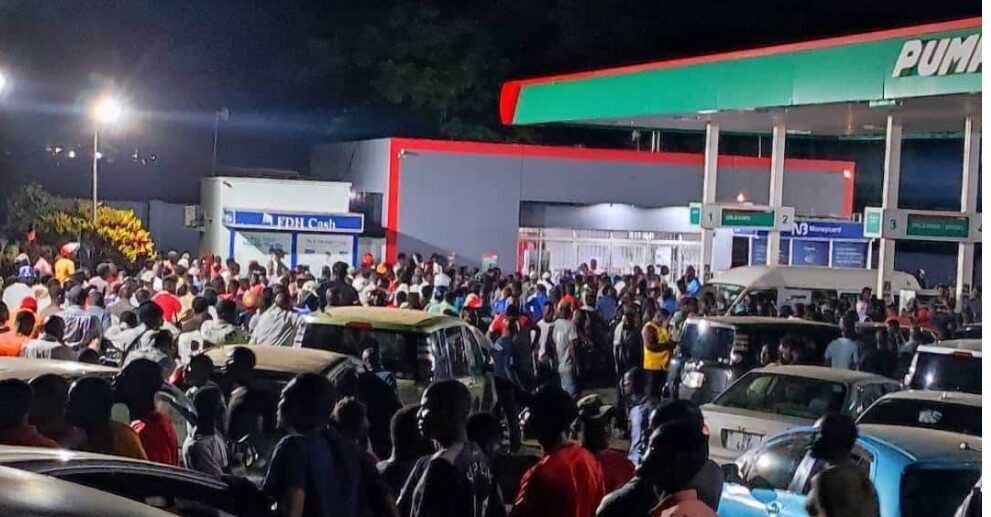
Malawi fuel price hike measures took effect on Tuesday after the Malawi Energy Regulatory Authority raised pump prices for petrol and diesel for the second time in four months, citing the need to prevent shortages and preserve scarce foreign exchange. The Malawi fuel price hike is landing amid broader pressure on import-dependent economies facing tight FX liquidity and volatile global energy costs.
The regulator raised the price of petrol by almost 42% to 4,965 kwacha per litre and increased diesel by about 41% to 4,945 kwacha per litre, according to a statement cited by Reuters. Authorities framed the move as a mechanism to keep supply flowing and reduce the risk of long queues and fuel rationing.
Fuel pricing has direct effects on Malawi’s cost base. Diesel supports road freight, farm logistics, and backup power generation, while petrol costs shape commuter transport and distribution for smaller traders. A sharp adjustment therefore tends to pass through into food transport costs and retail pricing, especially in areas far from primary depots.
The foreign exchange angle is central. Malawi imports refined fuel and must settle payments in hard currency. When FX availability tightens, suppliers can slow shipments, creating shortages that quickly ripple through transport and agriculture. By raising prices, regulators often aim to keep the import system financially viable and reduce pressure on public resources.
The timing also matters for seasonal activity. January sits within a period when many households depend on consistent market access for inputs and for moving produce, while public services and clinics rely on reliable fuel for mobility and power. Supply disruptions can therefore widen beyond private transport into health and education operations.
Across the region, governments have taken varied approaches. Some use subsidies or price smoothing funds. Others choose frequent adjustments to reflect costs. Malawi’s decision signals a preference for reducing shortages even at the expense of higher near-term prices for consumers and businesses.
Malawi fuel price hike and inflation risk
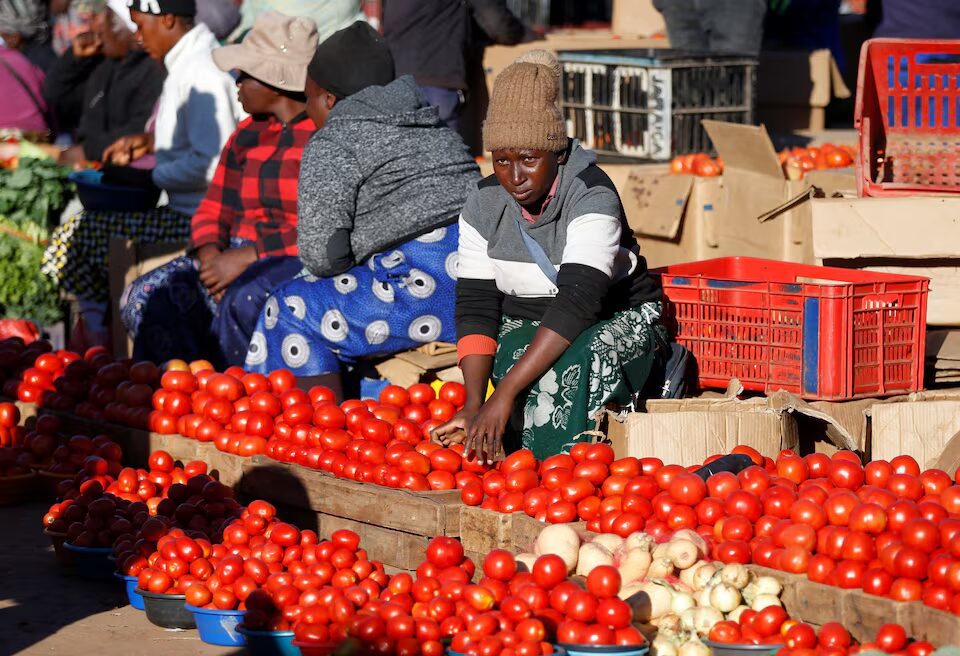
A key policy concern is the second-round impact on inflation. Fuel often feeds into transport fares and distribution costs. It can also affect food prices by raising the cost of moving maize and other staples between surplus and deficit areas. The magnitude and speed of pass-through will depend on supply stability and market competition in transport services.
Next steps
Malawi fuel price hike implementation will be followed by monitoring of pump availability, depot stocks, and queue conditions. Regulators and the finance authorities will also watch inflation indicators and FX inflows to assess whether further adjustments are needed to keep imports steady without destabilising household purchasing power.
Why it matters
Malawi fuel price hike decisions matter because fuel is a core input to transport, agriculture logistics, and basic service delivery. Stable supply reduces disruption risk, but higher prices can squeeze households and small firms, shaping inflation, food access, and overall economic activity.

 Chinese
  English
  Swahili
  French
  Portuguese