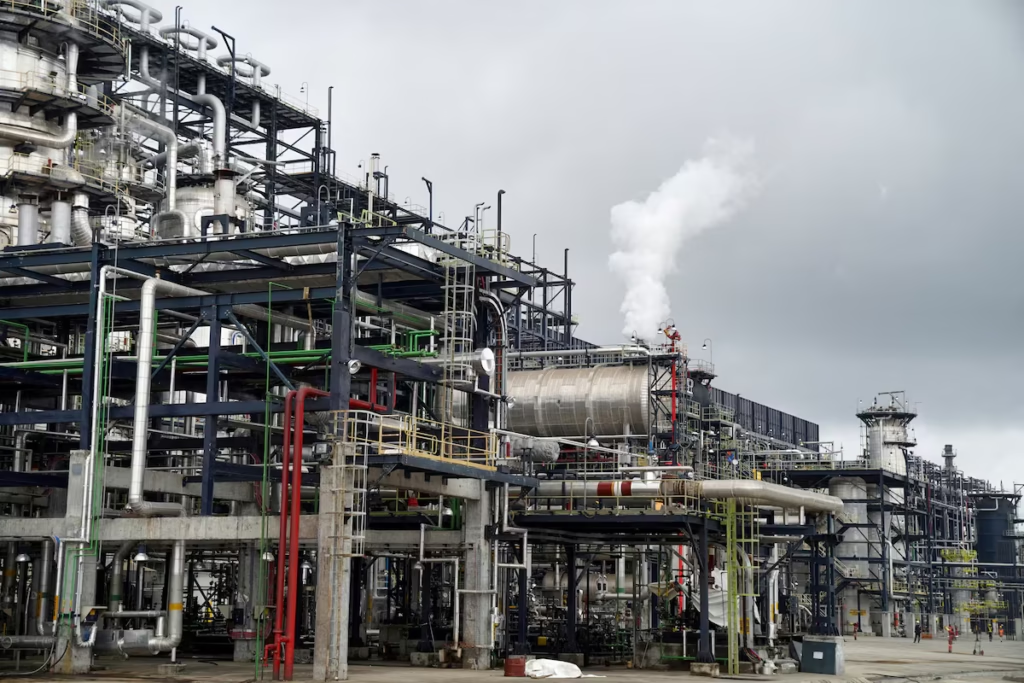
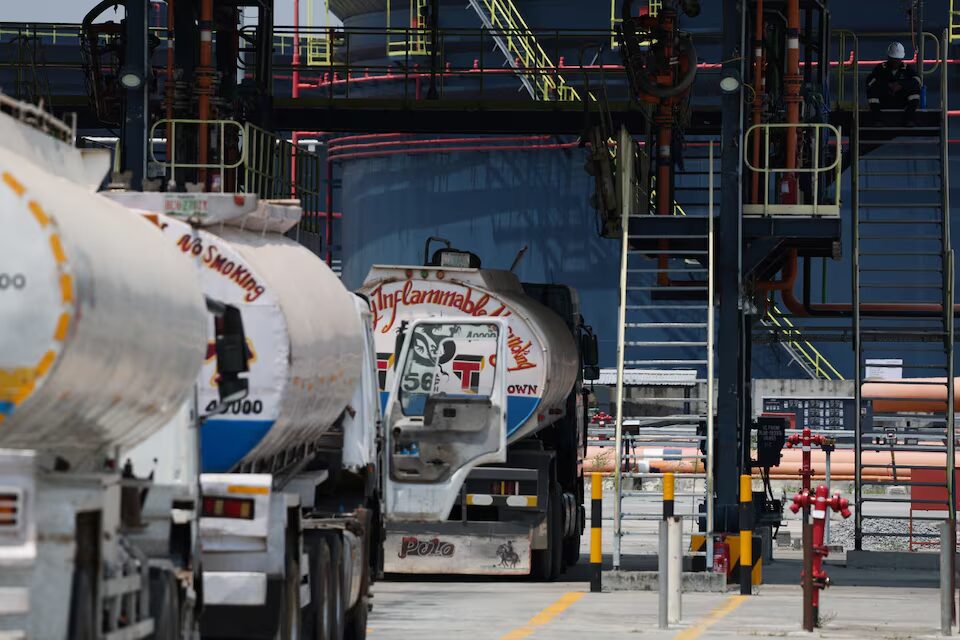
Nigeria 2025 oil licensing round opened today with 50 oil and gas blocks on offer to investors worldwide. The Nigerian Upstream Petroleum Regulatory Commission (NUPRC) says the round aims to lift output, unlock idle assets and attract billions of dollars in fresh capital.
The offer includes onshore, shallow-water, frontier and deepwater acreage. Commission chief Gbenga Komolafe told investors that the mix covers discovered but undeveloped fields, fallow assets in the Niger Delta and several gas-rich prospects. He argued that transparent rules under the Petroleum Industry Act now give companies clearer terms and lower above-ground risk.
Nigeria remains Africa’s biggest crude producer, yet its output has lagged OPEC quotas for years. Theft, pipeline vandalism and underinvestment cut production well below 2 million barrels per day. Authorities hope the Nigeria 2025 oil licensing round can help reverse that slide and eventually add up to 2 billion barrels in new reserves.
The regulator also wants to attract gas-focused bids. Officials say strong gas development can support domestic power plants, industry and export projects, while helping Nigeria shift away from costly diesel use.
Why it matters for Nigeria 2025 oil licensing round
Nigeria 2025 oil licensing round comes at a sensitive moment for both the economy and the energy transition. Oil still supplies most export earnings and a large share of government revenue. However, global investors now watch climate policies, security and contract stability more closely than in past rounds.
If the process stays transparent, Nigeria could secure serious bids, new jobs and technology transfers. In addition, stronger gas development could ease chronic power shortages and support manufacturing.
Yet risks remain. Communities in the Niger Delta continue to demand tougher action on spills and pollution. Moreover, long project lead times mean today’s licensing decisions will shape emissions and revenues well into the 2040s. Therefore, Abuja must balance fiscal gains with environmental pressure and global climate goals.
Wednesday 4th March 2026 By inAfrika Newsroom Dangote refinery jet fuel tender activity increased this week after a trade source said Nigeria’s Dangote oil refinery issued tenders to sell jet…
Tuesday 3rd March 2026 By inAfrika Newsroom The U.S. dollar’s rapid rally paused on Thursday as market sentiment turned slightly more upbeat on expectations that the Middle East conflict may…
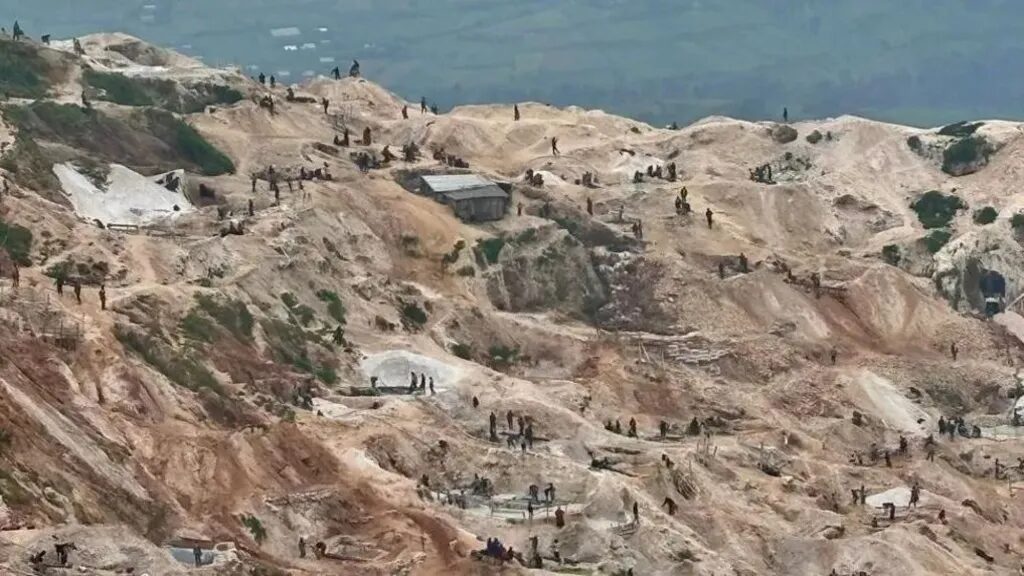
Monday 2nd March 2026 By inAfrika Newsroom More than 200 people died in a landslide triggered by heavy rains at the Rubaya coltan mine in eastern Democratic Republic of Congo,…

 Chinese
  English
  Swahili
  French
  Portuguese