Tuesday 16th December 2025
By inAfrika Newsroom
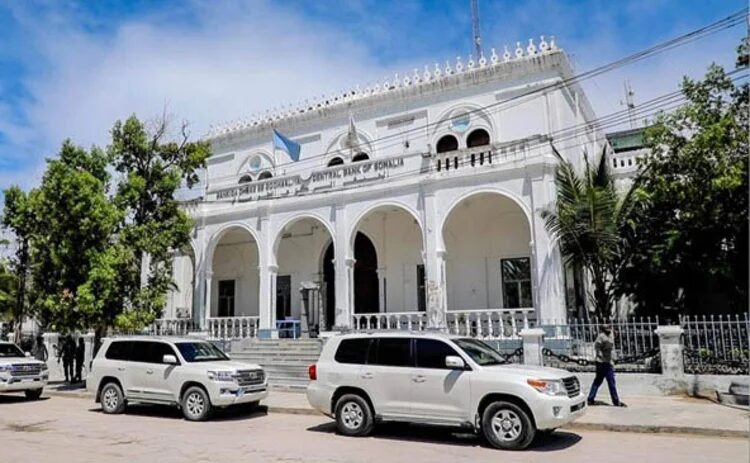
Somalia financial sector reforms 2025 advanced this week as the Central Bank of Somalia’s board approved a new package of licences and policy tools. The decisions follow an ordinary board meeting held from 9–10 December, part of a broader effort to stabilise and modernise the banking system.
The bank has licensed three new microfinance institutions and one new money transfer business. It also renewed licences for 11 commercial banks and 11 existing transfer companies. At the same meeting, directors endorsed the 2026 budget, a fresh investment policy and a new strategic asset allocation framework.
According to the central bank, the steps aim to deepen financial inclusion and strengthen supervision after years of conflict and dollar dependence. Officials say the reforms should expand access to formal services for low-income households, youth and women while tightening standards for compliance and risk management.
In November, the bank also licensed seven non-deposit-taking microfinance institutions under a revised Financial Institutions Act. It then ordered all remaining microfinance firms to file applications by early December or face regulatory action, signalling a tougher stance on unregistered operators.
Next steps: Somalia financial sector reforms 2025
The Central Bank plans to use its new Financial Stability Committee, inaugurated on 24 November, to track systemic risks and coordinate policy across the sector. The committee will meet regularly to assess capital levels, liquidity and exposure to shocks, including climate and conflict-related disruptions.
In addition, supervisors will monitor whether newly licensed microfinance institutions deliver on promises to offer small, flexible and Sharia-compliant products that match the needs of informal traders and micro-enterprises. International partners, including the IMF, are expected to continue backing reforms through technical assistance and funding.
Parliament will also face pressure to keep updating financial laws so they match global standards on anti-money laundering and correspondent banking, which remain critical for Somali banks’ links to the global system.
Why it matters
The Somalia financial sector reforms 2025 package marks a significant step for a country rebuilding institutions from a low base. More licensed banks and microfinance firms mean more competition, more choice and, potentially, lower costs for businesses and families. Moreover, a stronger central bank can help Somalia manage remittance flows, support local currency use and attract investment into productive sectors rather than only trade. If regulators sustain momentum, the country could gradually move from fragile cash-based markets to a more resilient, inclusive financial system that supports long-term growth.

 Chinese
  English
  Swahili
  French
  Portuguese