South Africa inflation April 2026 is under close watch after March consumer inflation rose to 3.1% from 3.0% in February. The numbers matter now because April fuel increases will only appear in the next CPI release.
Statistics South Africa said prices rose by 0.6% month-on-month in March. Six of the 13 CPI categories recorded higher annual rates, including education, transport, housing and utilities, information and communication, and restaurants and accommodation.
The education component moved sharply. Tuition fees increased by 5.4% in 2026, primary and secondary education rose by 6.2%, tertiary education increased by 4.2%, and private secondary schools recorded a 7.5% increase.
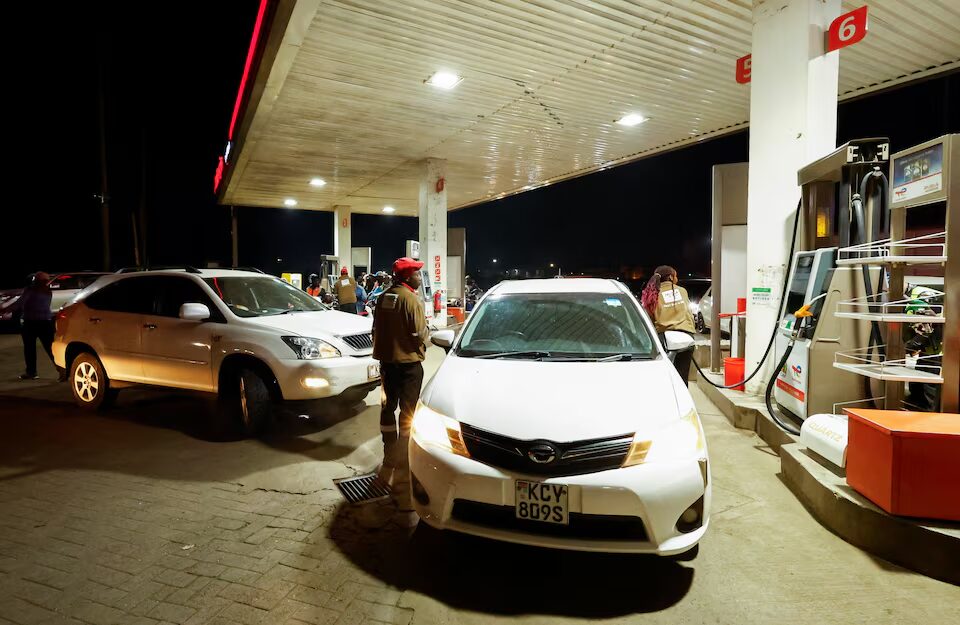
Transport inflation remained negative year-on-year, but pressure is building. Fuel prices were still 8.7% lower over the 12 months to March, yet long-distance bus fares jumped 20.0% month-on-month and airfares rose 14.3%. The March release does not include the April fuel increases, which will appear in data due on 20 May.
South Africa inflation April 2026: What changes for businesses and households
For households, the immediate issue is timing. March figures still looked contained, but April fuel prices may lift transport, delivery and food costs. Families paying school fees, rent and transport face pressure from several categories at once.
For businesses, the next inflation print will influence wage talks, pricing decisions, inventory movement and borrowing expectations. Retailers, logistics companies, airlines and food distributors will watch whether fuel costs feed into broader prices.
The South African Reserve Bank says headline inflation is projected to rise this year but remain within the tolerance band around its 3% target, returning to target by late 2027. It also says alternative oil-price paths could produce materially different inflation outcomes, and rate cuts may be delayed.
South Africa’s inflation story matters across Africa because its rates, currency and fuel market affect investor sentiment toward other emerging and frontier markets, including Kenya, Nigeria, Ghana and Tanzania.
Friday 24th April 2026 By inAfrika Newsroom Sub-Saharan Africa growth forecast 2026 has been revised downward as higher oil, gas, fertiliser and shipping costs pressure economies. The IMF now expects…
Friday 24th April 2026 By inAfrika Newsroom South Africa Eskom wage deal April 2026 has settled a major labour issue at the state power utility after a three-year agreement was…
Friday 24th April 2026 By inAfrika Newsroom Kenya World Bank emergency funds April 2026 have become a key fiscal story after Kenya requested rapid support to manage external shocks linked…

 Chinese
  English
  Swahili
  French
  Portuguese