Friday 24th April 2026
By inAfrika Newsroom
Sub-Saharan Africa growth forecast 2026 has been revised downward as higher oil, gas, fertiliser and shipping costs pressure economies. The IMF now expects regional growth of 4.3% in 2026, down 0.3 percentage points from its pre-war projection.
The Fund said the region entered 2026 after a strong 2025, when economic activity accelerated to about 4.5%, the fastest pace in more than a decade. Inflation had also fallen to a median of 3.4% at the end of 2025 from 4.8% the year before.
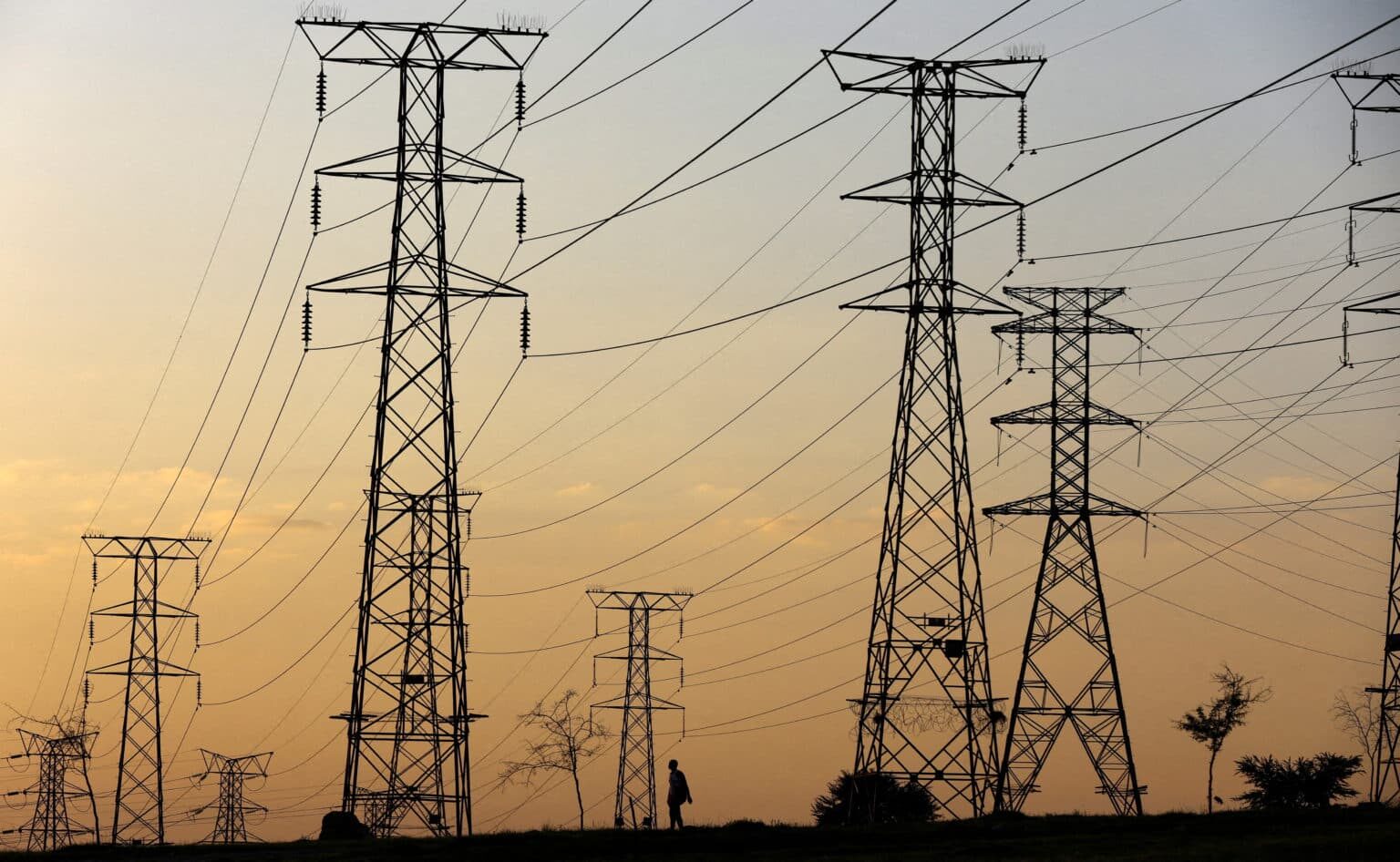
The new shock changes the outlook. The IMF said oil, gas and fertiliser prices have surged, shipping costs have risen, trade with Gulf partners has been disrupted, and tourism and remittances are under pressure.
Median inflation is now expected to rise to 5% by the end of 2026. Oil exporters may receive higher revenues, but oil importers face worsening trade balances and rising living costs.
Here is what the Sub-Saharan Africa growth forecast means for households and investors. Faster growth remains possible, but cost shocks can weaken purchasing power, business confidence and public budgets.
Sub-Saharan Africa growth forecast 2026: What changes for businesses and households
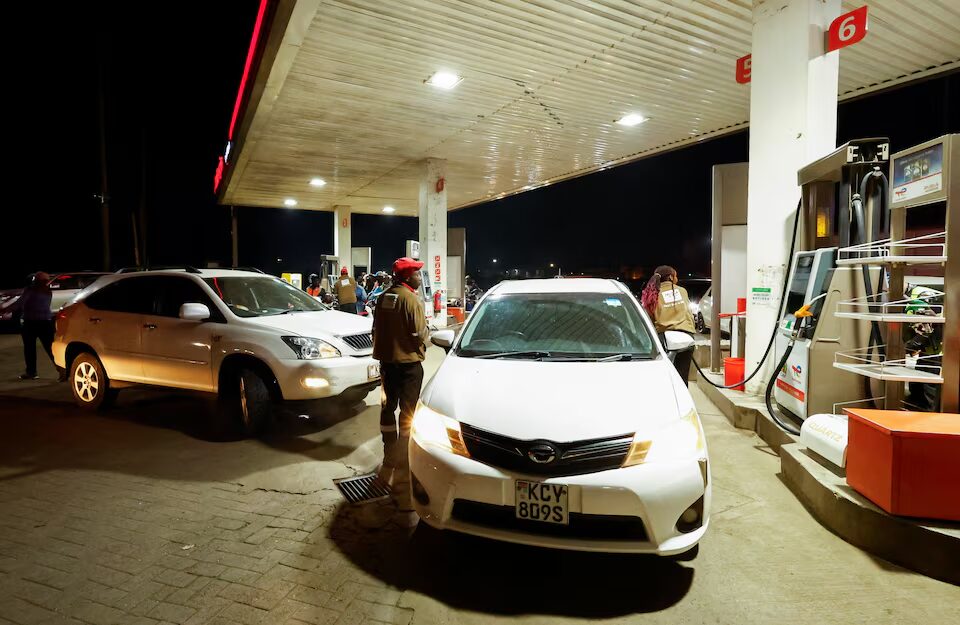
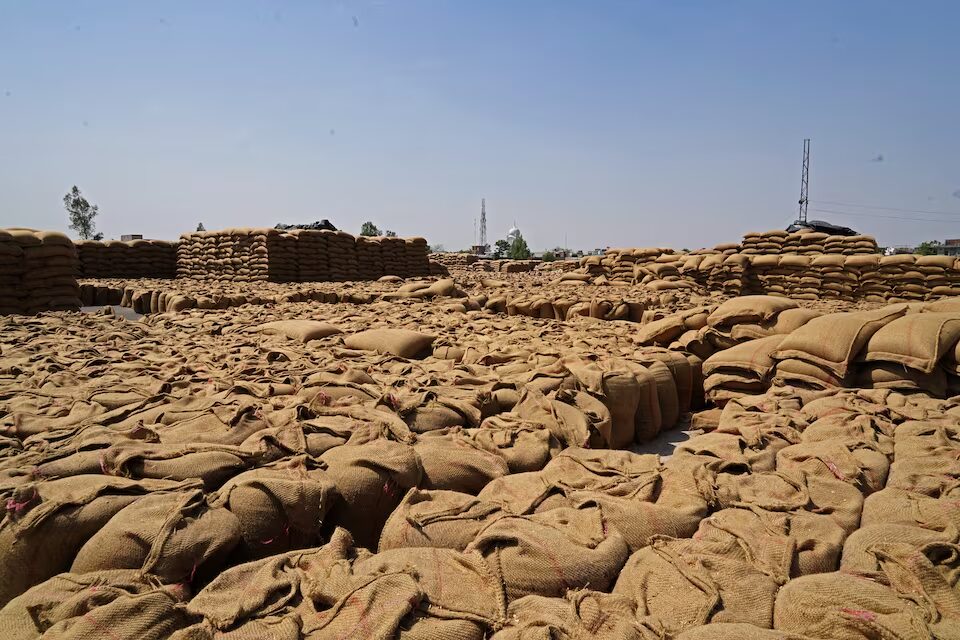
For households, the main pressure points are fuel, transport, food and fertiliser-linked farm costs. Poorer households feel those costs quickly because they spend a larger share of income on essentials.
For businesses, higher shipping and energy costs can reduce margins, delay investment and raise working-capital needs. Importers, logistics firms, airlines, manufacturers and farmers are most exposed.
For governments, the IMF’s message is policy discipline. It called for inflation expectations to stay anchored, targeted support for vulnerable people, credible fiscal strategy and protection of priority social spending.
The regional link is broad. Kenya, Tanzania, Ethiopia, Nigeria, Ghana, Zambia and South Africa will all face different versions of the same pressure: how to sustain growth while external costs rise.

 Chinese
  English
  Swahili
  French
  Portuguese