Thursday 29th October 2026
By inAfrika Newsroom
Tanzania’s transport agencies have been directed to coordinate arrangements for receiving international freight directly at Bahi and Isaka. The instruction builds on existing transfers between the standard-gauge and metre-gauge railways, rather than waiting for new SGR construction to reach every destination.
Tanzania Railways Corporation reported the directive on 24 October 2026, following Transport Minister Prof Makame Mbarawa’s visit to Bahi. Railways Africa’s 28 October update also described the operational and administrative work involved.
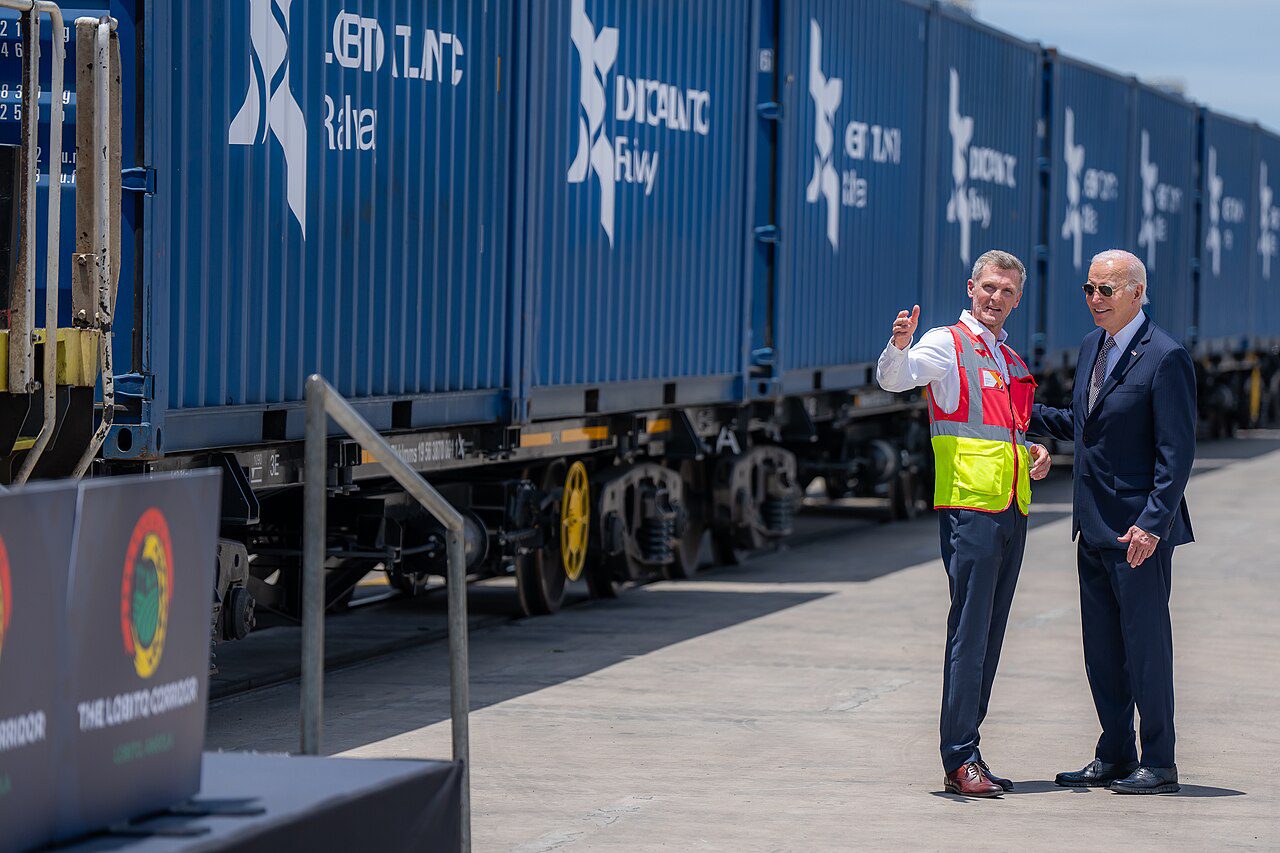
Containers arriving from Dar es Salaam on the SGR are transferred at Bahi to the existing metre-gauge network for onward movement towards Isaka. This connection allows two railway systems to form part of one cargo journey.
TRC reports approximately five hours for freight to reach Bahi from Dar es Salaam, with the arrangement supporting cargo availability at Isaka within 24 hours. These are the corporation’s reported timings, rather than an independently measured guarantee for every shipment.
The minister asked TRC, Tanzania Ports Authority and Tanzania Shipping Agencies Corporation to work together on the proposed inland freight arrangements. Charges, shipping documents and coordination with shipping operators are among the issues identified.
That administrative work matters because moving a container physically is only part of completing a shipment. A customer also needs clear responsibility for documentation, payment, collection and the handover between transport providers.
The stated ambition to move 1,000 containers daily by rail is a target, not a confirmed daily result. Its practical effect on port congestion will depend on sustained train operations and how smoothly containers move through the transfer and destination terminals.
The next milestones are agreed procedures and evidence of consistent service across the route. The update complements InAfrika’s coverage of cargo-document reforms, which similarly distinguishes a policy step from the systems needed to make it useful.

 Chinese
 English
 Swahili
 French
 Portuguese