Monday 26th January 2026
By inAfrika Newsroom
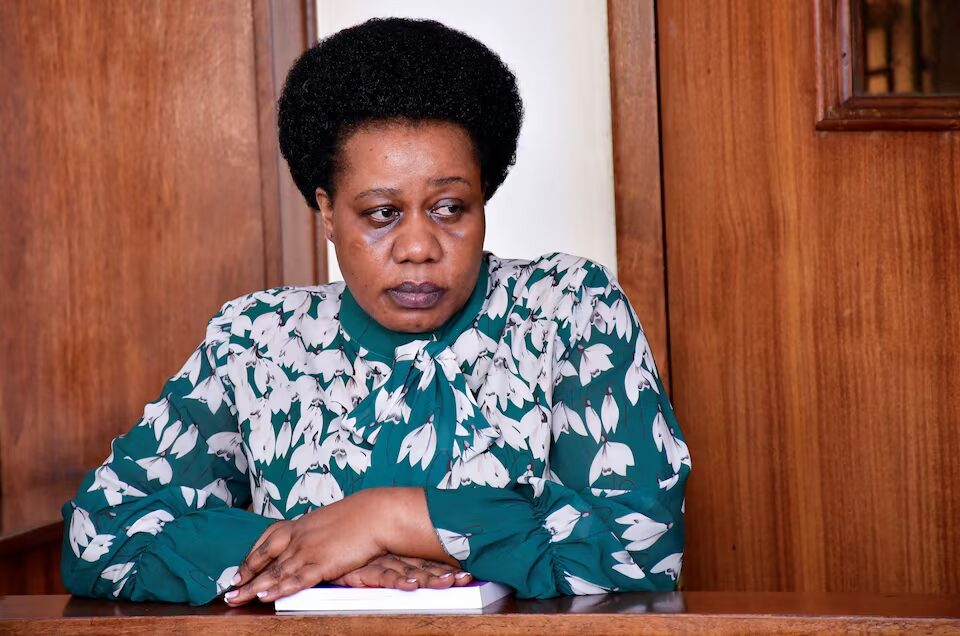
Uganda activist bail has been granted to prominent human rights campaigner Sarah Bireete, weeks after her detention drew condemnation from local and international rights groups as Uganda absorbs the fallout from a contested January election.
A magistrate in Kampala released Bireete, the executive director of the Centre for Constitutional Governance, after finding she met bail conditions in a case linked to allegations of unlawfully disclosing voter information.
Bireete was arrested on December 30 after publicly questioning the accuracy of the voter register ahead of the January 15 vote. Her supporters and several civil society organisations argued the case signalled a tightening operating environment for election observers, civic educators, and legal activists.
President Yoweri Museveni was declared re-elected with 71.6% of the vote, according to the results cited in the Reuters report. Opposition leader Bobi Wine has contested the outcome, while rights groups have reported arrests and intimidation of opposition supporters; the government has denied suppressing dissent.
Uganda’s case has drawn regional attention because it sits at the intersection of election administration, digital voter data governance, and political stability in a country that remains a key security and trade actor in the Great Lakes region. Policymakers across East Africa have faced similar pressure to modernise electoral systems while protecting data integrity and public trust.
Legal analysts said the bail decision does not end the underlying case, but it does reduce immediate tensions around pre-trial detention and due process. In recent years, civil society groups have increasingly framed election disputes as governance and accountability questions with direct implications for investor confidence and donor engagement.
Next steps
Uganda activist bail now shifts focus to court timelines and prosecutorial disclosure, including what evidence will be presented, what data-handling rules apply, and whether additional defendants are pursued.
Why it matters
Uganda’s civic space affects the credibility of electoral institutions and the predictability of the operating environment for civil society, media, and private-sector actors that depend on stable governance signals across the region.

 Chinese
  English
  Swahili
  French
  Portuguese