Chinese
 English
 Swahili
 French
 Portuguese


Kigali Solar Forum Puts Irrigation, Cooling and Milling Business Models in Focus
Kigali’s off-grid solar programme examines how irrigation, cooling, drying and milling can become viable services for African food businesses.
Monday 26th October 2026
By inAfrika Newsroom
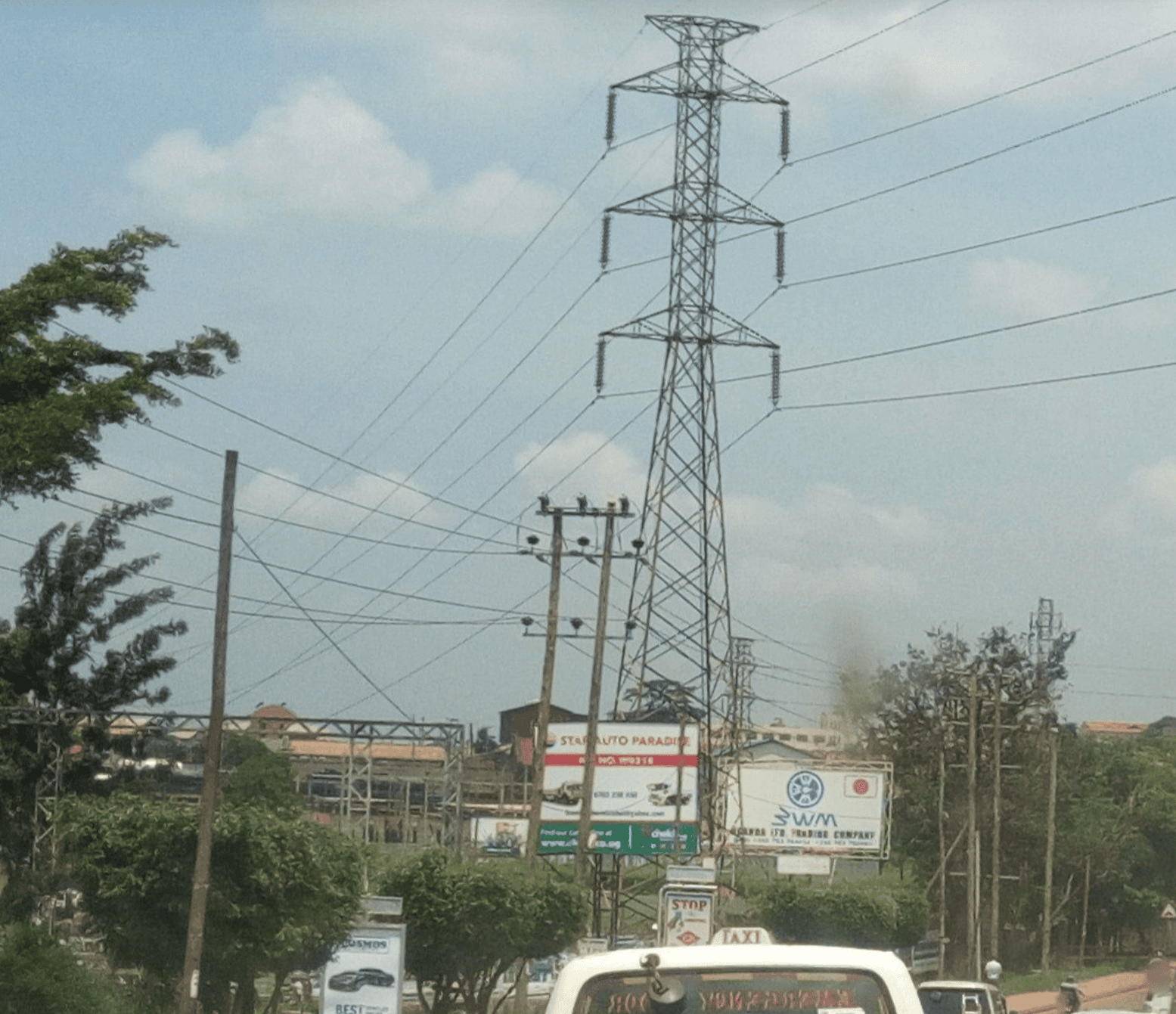
A planned Uganda–Tanzania electricity interconnector is a central first step in the World Bank’s ten-year Eastern African power-trade programme. Its relevance lies in connecting generation to customers across borders, while the wider market arrangements determine how the electricity can actually be sold.
The World Bank’s 18 June approval announcement sets out a USD 1.6 billion regional financing framework. This project explainer revisits that approval; it does not report that the new transmission assets have been completed.
The first phase includes USD 250 million in concessional finance for Uganda’s interconnector project. The proposed works include roughly 260 kilometres of 400-kilovolt double-circuit line along Wobulenzi, Masaka and Mutukula, with a stated transfer capacity of 1,000 megawatts.
The bank expects at least 452 gigawatt-hours of annual Uganda–Tanzania trade by the project’s 2031 target end-date. Transfer capacity measures the rate at which power can move, whereas annual traded energy also depends on dispatch, availability and demand; the two figures describe different things.
Regional support also covers market institutions and the Eastern Africa Power Pool’s planned day-ahead market. That matters because a physical connection needs commercial rules and coordinated operations to translate available electricity into dependable supply.
InAfrika’s assessment is that Tanzanian businesses should follow delivery milestones and the eventual terms of supply rather than infer a retail tariff reduction from the financing announcement. Factory electricity bills depend on several factors beyond the existence of a cross-border line, and projected benefits are not guaranteed savings.
The project complements the wider question of how energy financing supports productive activity. Reliability can affect production planning and equipment use, but those benefits need to be demonstrated through service outcomes.
Procurement progress, construction completion, testing and actual energy traded are the meaningful next indicators. Reporting them separately will help readers distinguish an approved investment from an operating regional electricity connection.