简体中文
 English
 Kiswahili
 Français
 Português
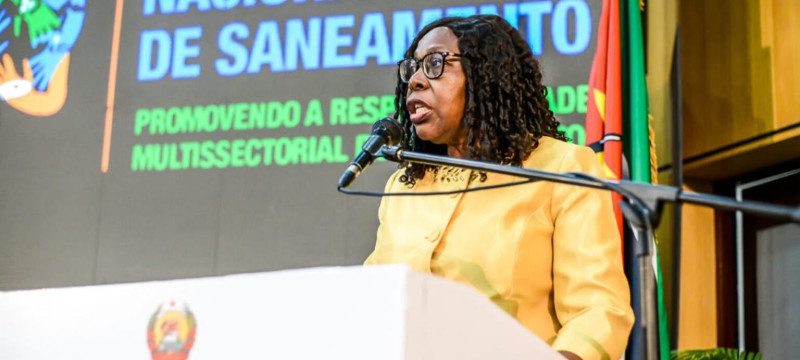
Mozambique sets 44% sanitation access target for 2029
Mozambique's government has announced a target of raising access to adequate sanitation services to 44 percent of the population by 2029, highlighting
Young people have more access to education and information than earlier generations, but many still face economic insecurity and barriers to achieving their plans for work, family and independent living, according to the United Nations Population Fund’s State of World Population 2026 report.
The report, titled Succeeding Generations, examines how economic pressures, conflict, environmental changes, technology and political instability shape the choices available to young people. UNFPA argues that youth should have a stronger role in designing policies that affect their own futures.
The agency cited a Demographic Futures Survey of 108,926 internet-connected adults aged 18 to 39 across 73 countries and territories. Among those respondents, 70 percent said they wanted to marry and more than 90 percent desired at least one child, even as financial pressures make major life decisions difficult.
Those survey figures describe the sampled respondents and should not be treated as a representative count of all young people worldwide. The report also examines the obstacles that delay common milestones such as stable employment, affordable housing and starting a household.
For African policymakers and employers, the findings underscore the link between demographic ambition and practical opportunity. Expanded education can improve prospects, but its benefits may be constrained without productive jobs, affordable services and meaningful participation by young people in decisions over resources. The transition from education into opportunity also matters as South Africa nears the end of its 2026 matric examination period.
资料来源 Original publisher document. InAfrika News reporting.