Monday 2nd March 2026
By inAfrika Newsroom
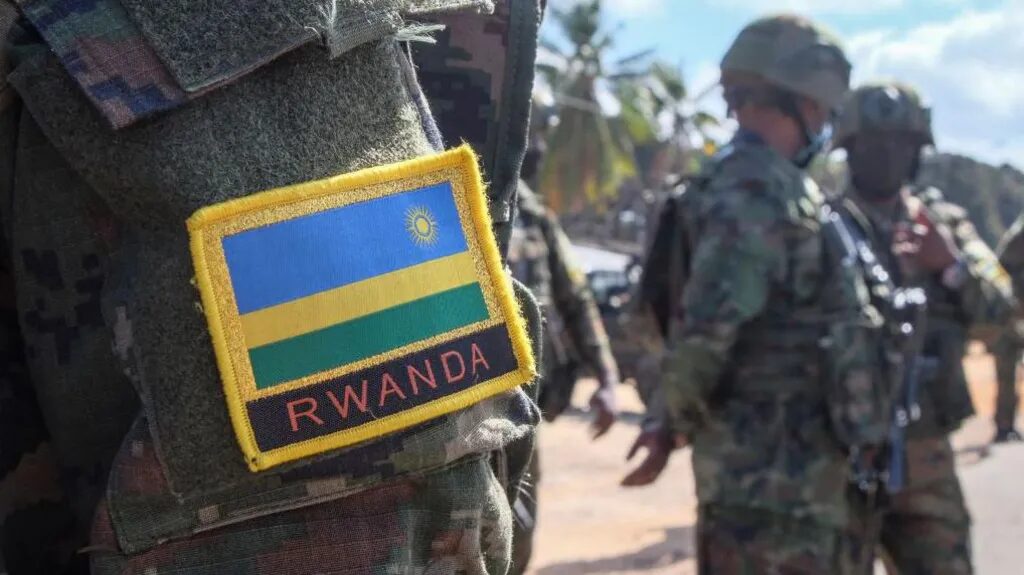
The United States imposed sanctions on Rwanda’s military over fighting in eastern Democratic Republic of Congo, escalating international pressure tied to the region’s security crisis and cross-border allegations. The move, targeting the Rwanda Defence Force, signals a harder line from Washington as diplomacy struggles to contain violence around strategic mining areas.
The sanctions add to an increasingly complex conflict environment in North and South Kivu, where armed groups, state forces, and external actors intersect. Congo and several international bodies have long raised concerns about support flows and command structures linked to armed activity in the east, while Rwanda has repeatedly denied wrongdoing.
For Rwanda, any constraints on defence-linked procurement, financing, or international partnerships can spill into broader economic confidence, especially where counterparties adopt stricter compliance screening. For Congo, the sanctions sharpen attention on security-sector accountability while highlighting how unresolved conflict risks undermining investment narratives tied to minerals, infrastructure, and regional trade.
The eastern Congo theatre matters beyond borders because it sits on supply chains for minerals used in electronics and energy technologies. When insecurity rises, firms face higher costs from disrupted logistics, informal taxation, and reputational exposure. That can narrow the benefits that resource-rich provinces should deliver to national budgets and local livelihoods.
Sanctions also carry diplomatic signalling to regional blocs and mediation tracks. They can strengthen leverage for negotiations, yet they can also harden positions if parties frame measures as politically motivated. In recent years, regional peace efforts have cycled through ceasefire announcements and renewed flare-ups, reflecting limited enforcement capacity on the ground.
The U.S. action comes at a time when multiple external partners are re-evaluating engagement models in fragile contexts, balancing security concerns with strategic interests. In the Great Lakes region, that includes cross-border trade, refugee flows, and investor calculations in mining and transport corridors.
Next steps
Attention will turn to how the sanctions are implemented, whether additional individuals or entities are designated, and how regional diplomacy responds. Kinshasa and Kigali are likely to intensify messaging to international partners, while mediators seek to keep talks from stalling under heightened tension.
Why it matters
The sanctions underscore that the eastern Congo conflict is no longer viewed as a contained national crisis. It is increasingly treated as a regional and strategic risk one that can reshape defence cooperation, investment due diligence, and the political cost of inaction.

 Chinese
  English
  Swahili
  French
  Portuguese