Monday 12th January 2026
By inAfrika Newsroom
Zanzibar’s Zanzibar health upgrade plan is widening, and 2026 is shaping up as the year when health becomes both a service priority and an economic strategy.
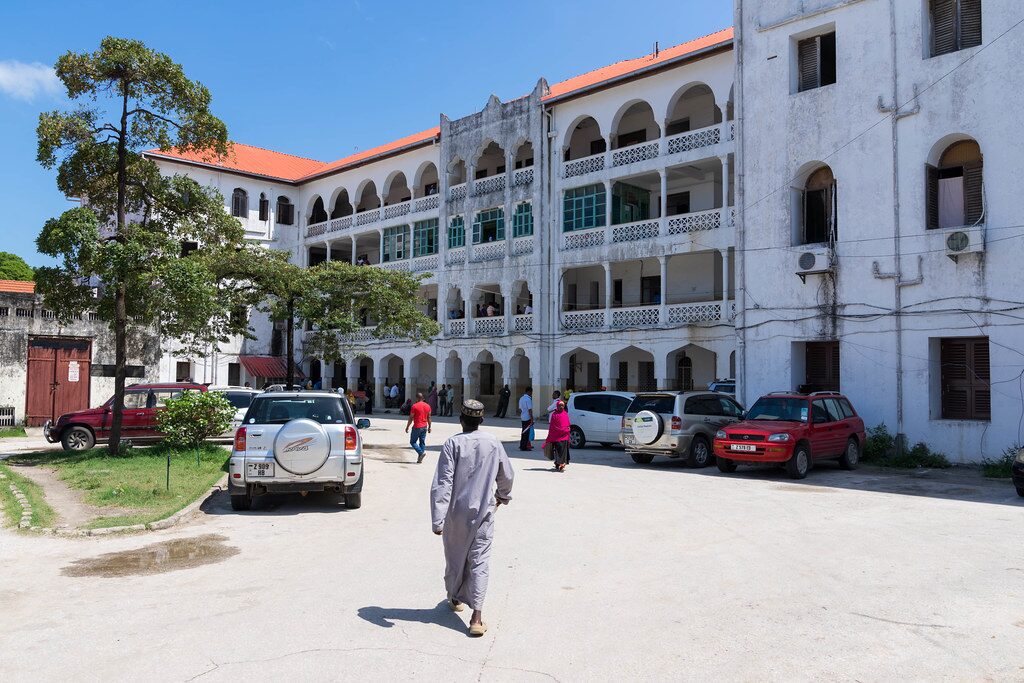
In September 2025, reporting said Zanzibar unveiled plans to overhaul Mnazi Mmoja Hospital as part of an effort to attract medical tourism and reduce referrals to mainland Tanzania and overseas facilities. The logic is direct: if more complex care is available locally, households spend less on travel, and the health system builds capability.
Meanwhile, at the end of 2025, Daily News reporting carried a new signal. The Revolutionary Government of Zanzibar said it had embarked on constructing three major referral hospitals: a new Mnazi Mmoja, a Binguni cancer treatment hospital, and a teaching hospital in Binguni, each paired with staff housing.
What changed in 2025
The 2025 change was framing. Health moved from “more facilities” to “stronger referral systems and specialised capability.”
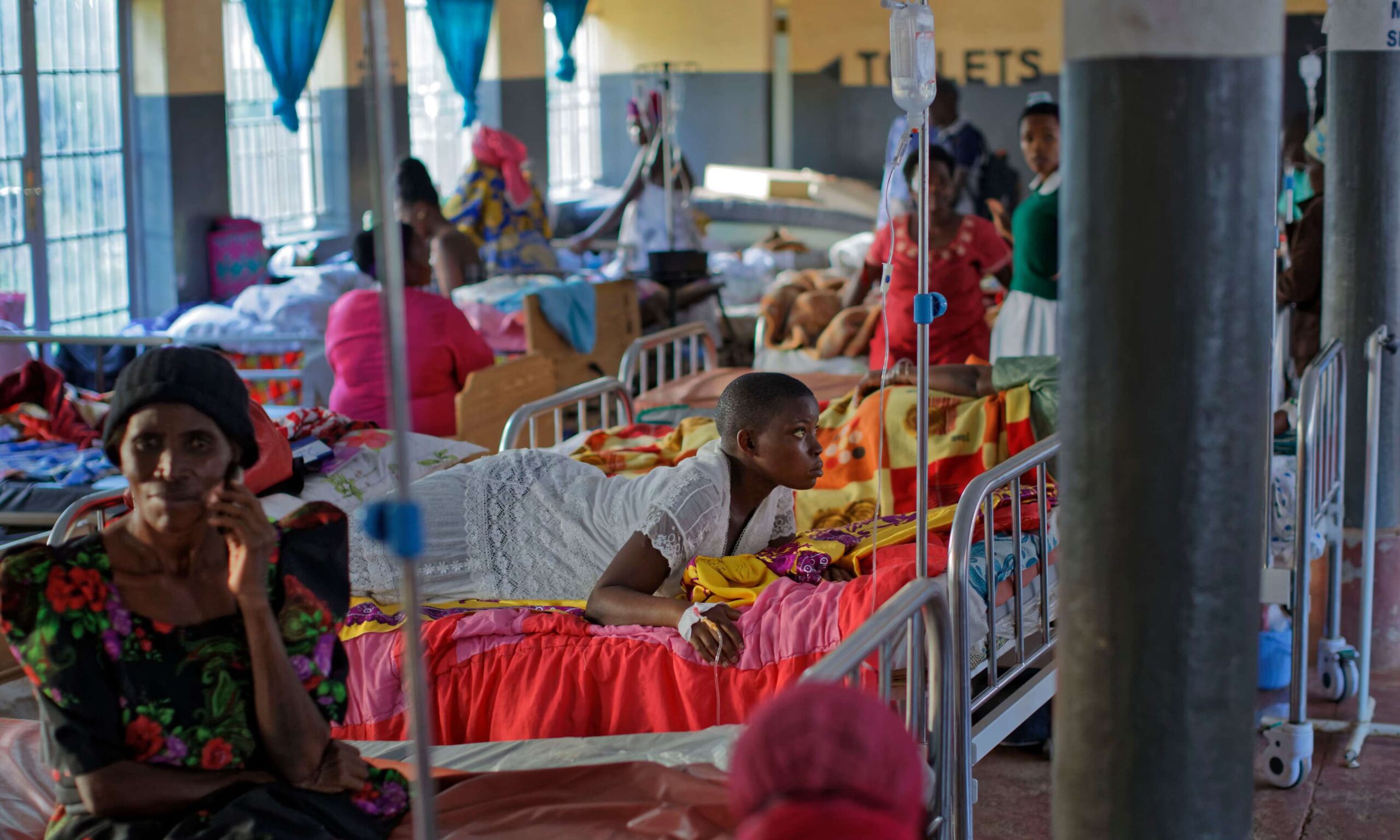
On the ground, the government has also pushed district-level strength. Daily News reported that district hospitals across Zanzibar are operational, and officials described efforts to improve referral systems. In addition, authorities laid a foundation stone for a new health facility on Tumbatu Island valued at about TZS 6.4 billion, according to reporting. Therefore, the health agenda is moving both upward (specialised hospitals) and outward (island access).
Operational reform is also part of the story. IntraHealth has documented work linked to strengthening Mnazi Mmoja Hospital management systems, including revenue stability and better provision of supplies and equipment. Consequently, health reform is not only a construction story. It is also a governance story inside hospitals.
Where the Zanzibar health upgrade plan goes in 2026
In 2026, the test will be execution and staffing. New hospitals can fail if staffing is weak, procurement is slow, or maintenance budgets are thin. Therefore, staff housing attached to referral hospitals is a strategic choice. It addresses retention and readiness, not just comfort.
President Mwinyi’s New Year priorities for 2026 also place health on the same urgency track as ports and roads, noting continued expansion of hospitals. That matters because it links health delivery to the broader credibility of government delivery.
If Zanzibar succeeds, medical tourism becomes a secondary gain. The first gain is local dignity: faster care, fewer costly referrals, and stronger clinical pathways. However, a medical tourism brand requires clear standards, specialist staffing, and reliable diagnostics. Consequently, the near-term focus will likely remain on building a functional referral backbone.
Risks and opportunities
Costs can escalate, and specialist staff are globally mobile. Moreover, equipment can sit idle if procurement and maintenance are weak. Still, the opportunity is structural. Strong hospitals protect tourism confidence, support worker productivity, and reduce household shocks from illness. Therefore, Zanzibar health upgrade plan can become a growth stabiliser, not just a social sector line item.

 Chinese
  English
  Swahili
  French
  Portuguese