Friday 9th January 2026
By inAfrika Newsroom
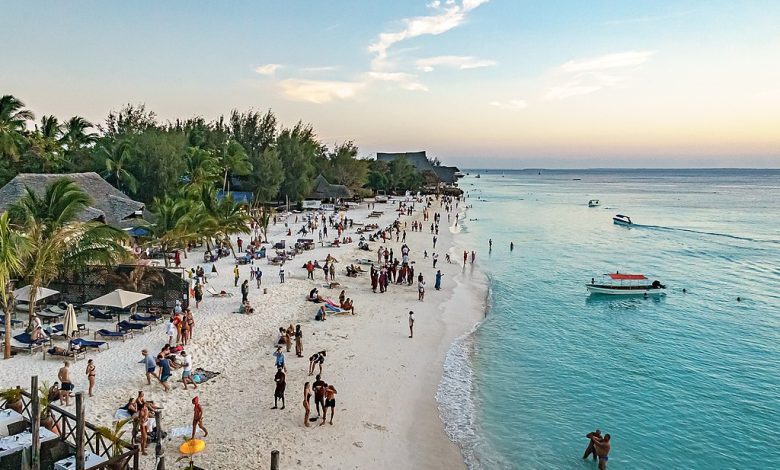
Zanzibar’s Zanzibar tourism boom has moved from recovery to scale, and the numbers now carry policy weight.
In 2025, the islands crossed a new threshold in visitor volumes, with local reporting pointing to arrivals exceeding 743,000, while monthly data kept climbing into the last quarter. In October 2025, arrivals rose to 86,740 from 69,860 a year earlier. Meanwhile, November 2025 recorded 72,833 international visitors, up 8.6% year-on-year.
Those figures matter because Zanzibar’s economy is built around services. Therefore, when tourism rises, demand rises too rooms, transport, food, tours, and construction. Yet, the new phase also exposes gaps that a higher-spending tourism model will need to fix: infrastructure, skills, and crowd management.
What changed in 2025
The 2025 story was consistency, not one-off peaks. Monthly releases tracked broad-based growth. As a result, tourism became a reliable driver for government planning, not a fragile bet.
In addition, the political message sharpened. In his New Year priorities message, President Hussein Ali Mwinyi said the Revolutionary Government of Zanzibar would further prioritise tourism as a key foreign exchange earner. He also pointed to intensified infrastructure work in 2026, including roads, ports, airports and markets. Therefore, the state is now treating tourism as an anchor sector that justifies big capital projects.
However, volume tourism can strain beaches, roads, water systems and waste management. Consequently, the next stage depends on service quality, not only arrivals.
Where the Zanzibar tourism boom points in 2026
The 2026 opportunity is to move up the value chain. In other words, the islands can target longer stays, higher daily spend, and more diverse experiences. That means new products beyond classic beach packages, and it also means tighter standards across accommodation, safety and marine protection.
At the same time, data will become a competitive edge. When arrivals rise, planners need faster insight on source markets, seasonality, and visitor movement. Therefore, tourism statistics are no longer a back-office product. They now shape decisions on air routes, hotel approvals, and marketing spend.
Risks and opportunities
If Zanzibar keeps growing without upgrading systems, congestion and service decline will follow. That can push down ratings and repeat business. Moreover, unmanaged growth can trigger local resentment, especially where communities feel priced out. Still, the upside is large. Tourism can finance better roads, stronger health services, and more jobs for youth. Therefore, the central 2026 question is simple: can growth stay clean, reliable, and inclusive?

 Chinese
  English
  Swahili
  French
  Portuguese