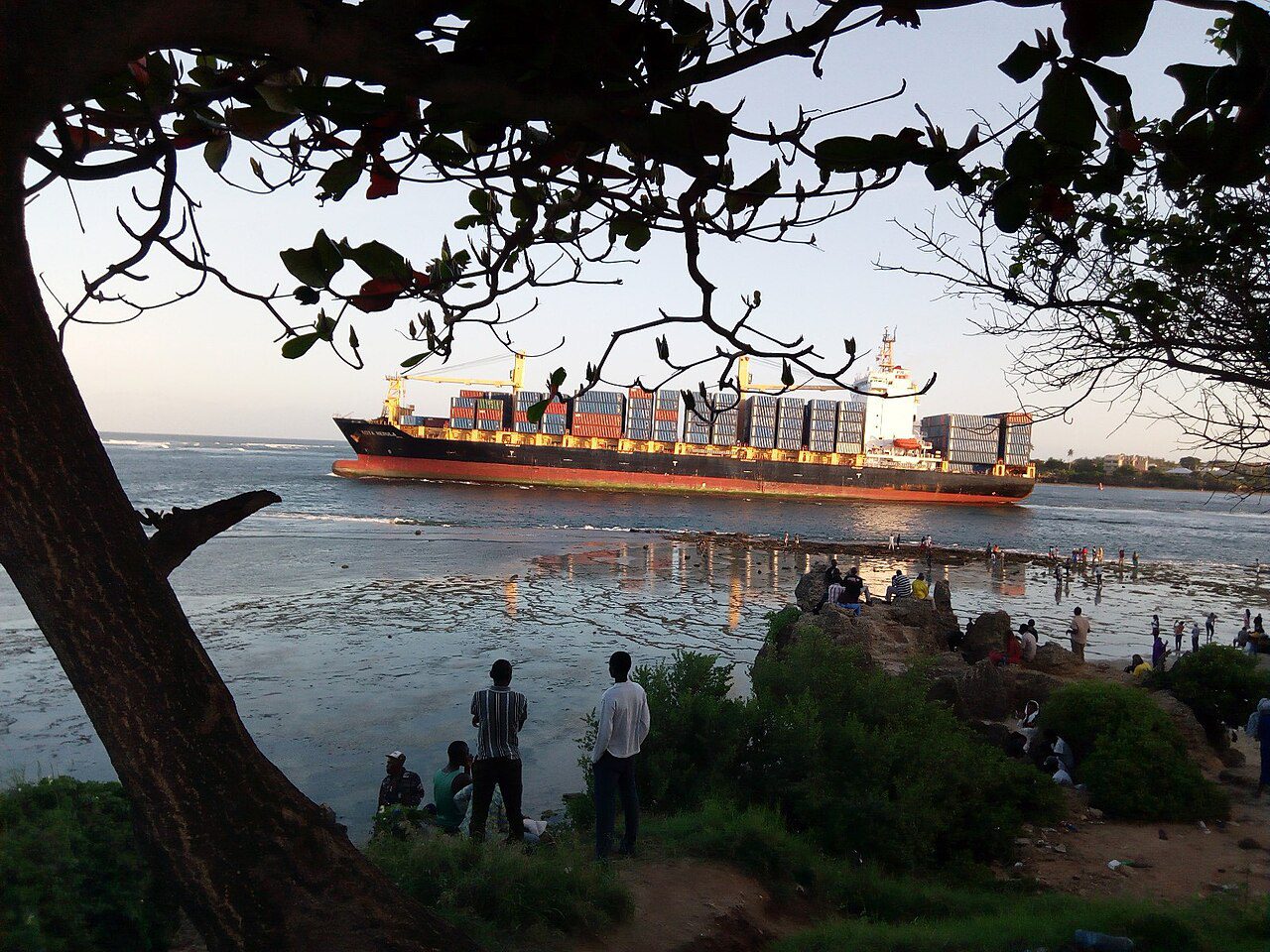
Container ship leaving Mombasa port in a 2022 photograph, illustrative regional trading activity. Photo: Ian Kiptoo / Wikimedia Commons; CC BY 4.0; original image. File image, not the development described.
By inAfrika Newsroom
Africa’s merchandise trade rose by 6.1% to approximately USD 1.5 trillion, while a trade-finance shortfall continued to hold back exporters, according to the African Export-Import Bank’s 2026 African Trade Report released in June.
The report, titled Leveraging Geopolitics for Trade and Industrialisation in Global Africa, assesses the 2025 operating environment and the options facing African economies as geopolitical tension and supply-chain disruptions reshape world trade.
Afreximbank reported that real economic growth across Africa increased from 3.4% in 2024 to 4.5% in 2025. The bank projected weaker global growth in 2026 and described a need for African firms to secure more reliable supply chains and routes to regional markets.
The bank estimated the continent’s trade-finance gap at roughly USD 74 billion in 2025. This represents potential trade activity that can be constrained when otherwise viable businesses cannot obtain letters of credit, working capital or related financial services.
Shipping disruption compounds the problem. Longer delivery times and higher freight costs can tie up exporters’ cash and make imported raw materials more expensive, especially for manufacturers operating on narrow margins.
The June report recommended stronger regional value chains, digital payments systems and more effective implementation of the African Continental Free Trade Area. It also pointed to the Pan-African Payment and Settlement System as part of the infrastructure for reducing reliance on external settlement currencies.
These measures could matter for small exporters of processed food, minerals and manufactured goods. A cross-border buyer may be available, but a transaction still depends on payment, documentation, customs procedures, transport capacity and dependable insurance.
The figures describe the report’s findings and estimates rather than newly measured October 2026 outcomes. Businesses will ultimately judge progress by access to financing, faster settlement and more predictable end-to-end delivery.
Original issuing organisation: Afreximbank. This coverage reflects the organisation’s earlier 2026 release and identifies proposed actions separately from verified outcomes.
Have news to share? Send news submissions and supporting materials to news@inafrika.co.tz.
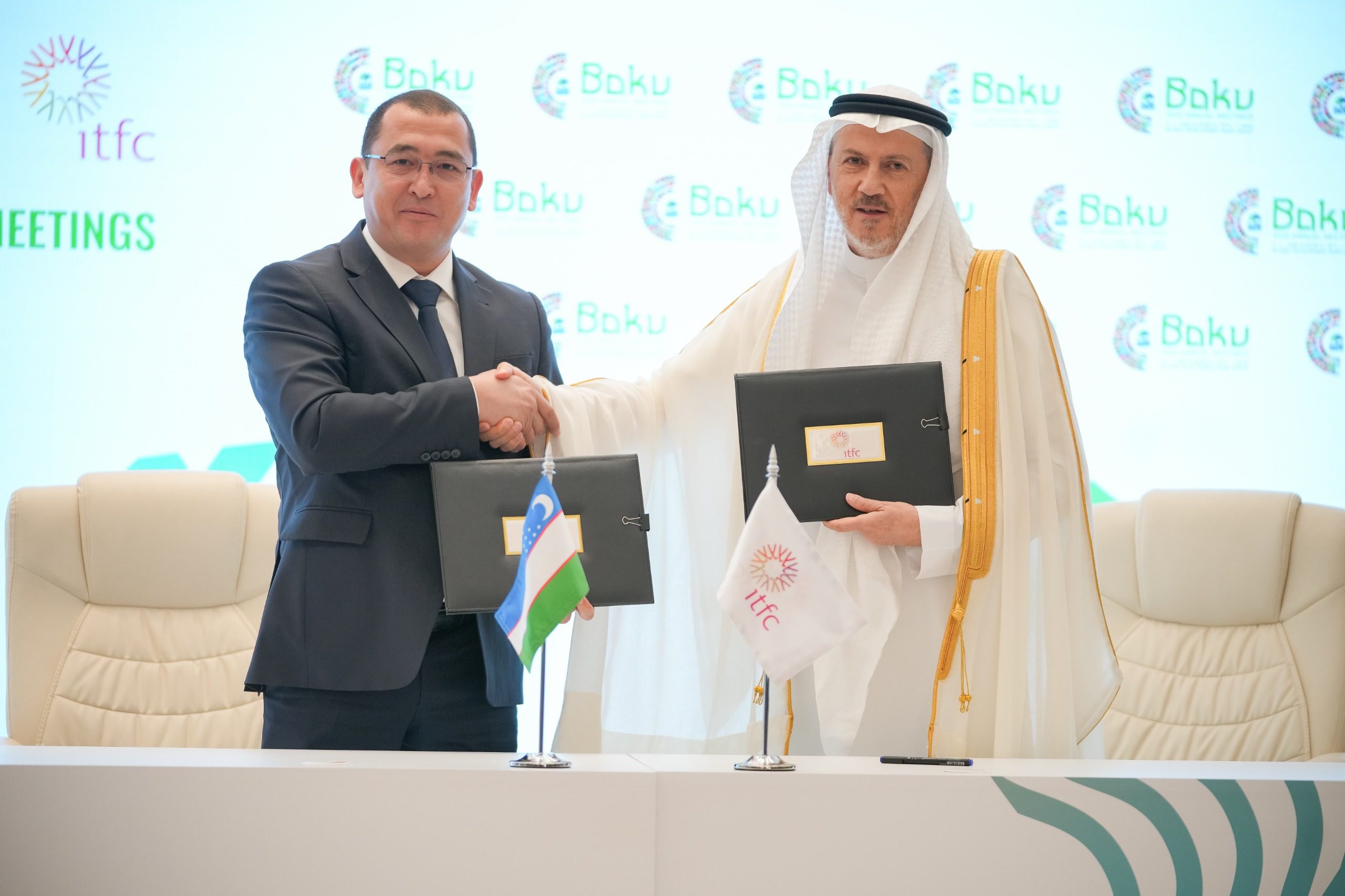
ITFC announced USD 2.9bn in signed agreements at the June 2026 IsDB meetings, including frameworks for Burkina Faso, Côte d'Ivoire, Djibouti and The Gambia.

 English
 Swahili
 French
 Portuguese
 Chinese