Friday 13th March 2026
By inAfrika Newsroom
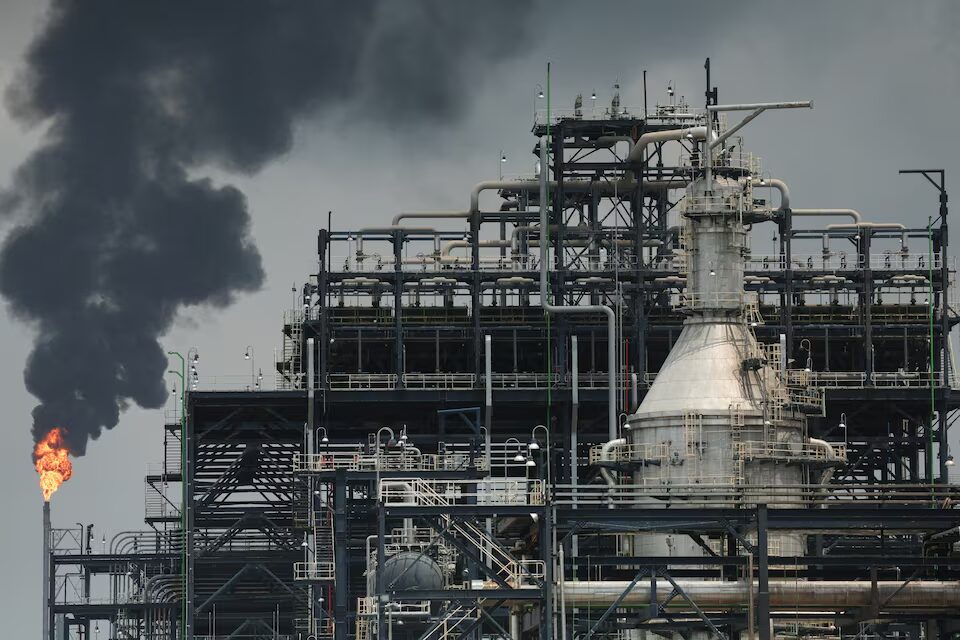
Africa policymakers oil shock warning intensified on Friday as officials and analysts cautioned that surging crude prices linked to the Iran war could raise inflation, widen fiscal pressures, and force central banks to pause or reverse monetary easing across multiple African economies.
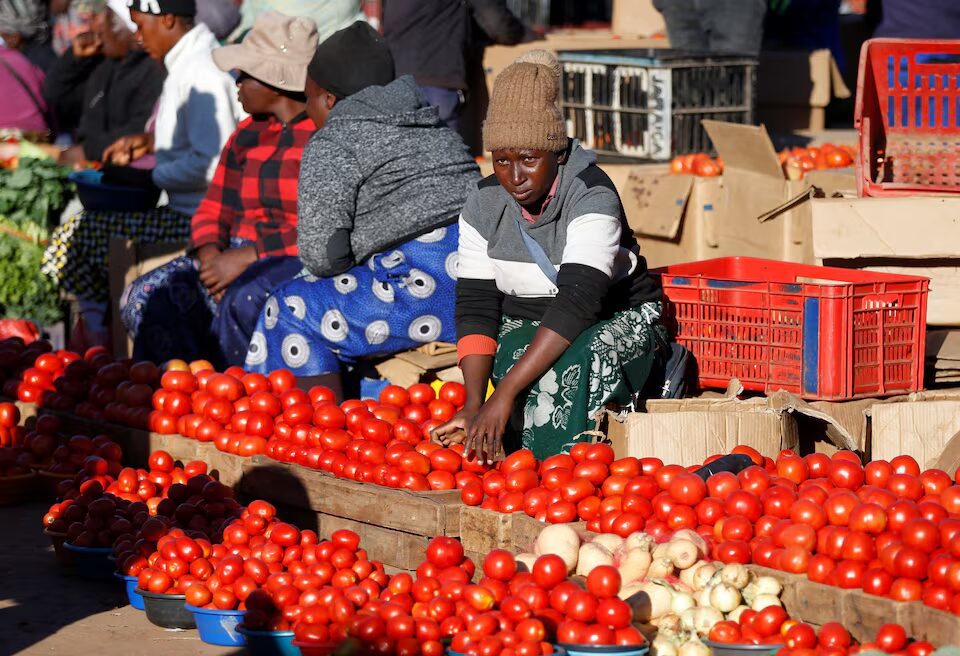
Reuters reported that policymakers fear a rapid oil price jump would hit transport, food prices, and manufacturing costs, with the impact most severe in net oil importers. In those economies, fuel costs transmit quickly through freight rates, public transport fares, and the cost of moving food from farms to cities. The effect often shows up in inflation first, then in tighter financial conditions as central banks respond.
The warning also has a public finance dimension. Governments may face pressure to spend more on fuel subsidies or to absorb higher procurement costs for security and public services. Where budgets are already constrained by debt service and high wage bills, sudden oil shocks can crowd out development spending or increase domestic borrowing.
For the region, the oil shock risk is uneven. Oil exporters can gain fiscal and external benefits from higher prices, but those gains depend on production volumes and whether higher export receipts outweigh the broader costs of disrupted shipping, higher insurance premiums, and global growth risks.
Financial markets have been reacting sharply. Currency weakness, higher bond yields, and risk-off flows can increase the cost of financing for governments and firms. That combination can hit SMEs particularly hard, as they have less access to hedging and often rely on short-term bank credit.
Africa policymakers oil shock warning: key points Africa policymakers oil shock warning highlights risks of higher inflation, disrupted easing cycles, and cost pressures across transport, agriculture, and manufacturing as crude prices jump on Iran war concerns.

 English
  Swahili
  French
  Portuguese
  Chinese