Monday 10th February 2026
By inAfrika Newsroom
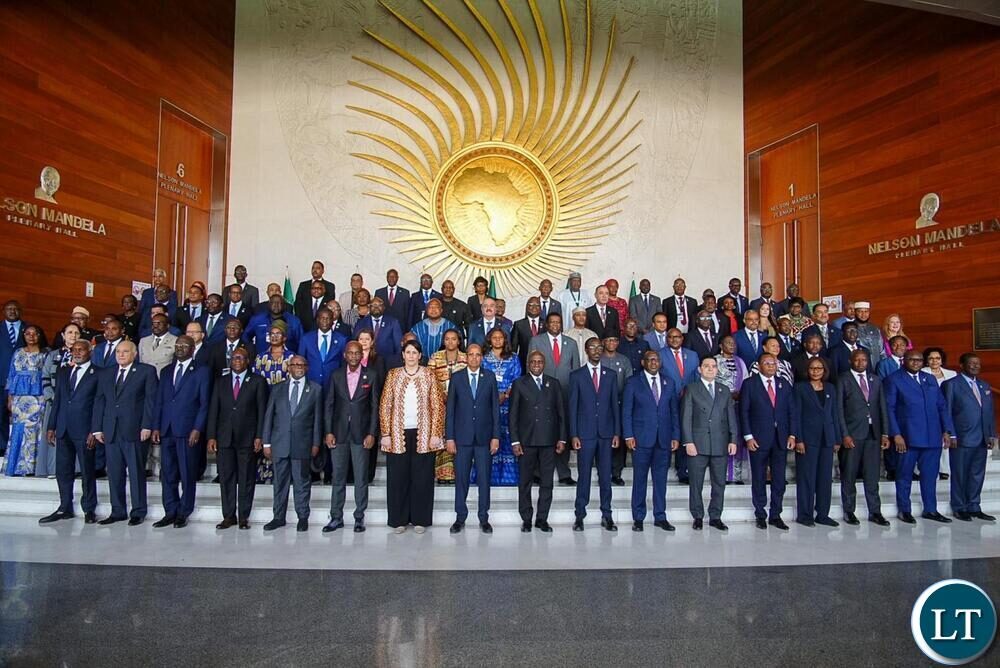
The AU Executive Council session opened in Addis Ababa on Wednesday, bringing African foreign ministers and senior officials together for two days of decisions that will feed into the African Union’s 39th summit meetings. The timing matters because conflict pressures, debt stress, and trade priorities are competing for attention across regions.
The Executive Council is the ministerial layer that clears texts and recommendations before heads of state meet. Its agenda typically includes institutional issues, budgets, elections to AU organs, and policy positions that shape how continental frameworks respond to crises. The 48th Ordinary Session runs February 11–12 at the AU headquarters.
For East Africa, Addis meetings are also a pressure test for how the AU and regional blocs align. The Horn’s overlapping emergencies—Sudan’s war, fragile transitions, and cross-border security shocks—have raised demand for clearer mandates, stronger coordination, and predictable financing for peace support and humanitarian access.
The meeting also lands amid a tougher global financing environment. Several African governments are managing high debt servicing burdens, volatile commodity earnings, and currency pressures. Ministers often use summit week to seek stronger multilateral backing for restructuring, concessional flows, and reforms that protect social spending while stabilising macroeconomic conditions.
Institutionally, AU reform remains active. The AU continues to push governance and financing changes to improve execution capacity and reduce duplication with regional economic communities. That process, while technical, affects credibility: it determines whether summit decisions translate into implementation in capitals.
The AU has invited media to cover opening and closing ceremonies, with additional information to be shared through official channels, signalling an effort to keep visibility and access structured during summit week.
Next steps
AU Executive Council session outcomes will be consolidated into recommendations and draft decisions for adoption at higher-level summit meetings later in the week.
Member states will also track whether ministers agree on clearer follow-up mechanisms for implementation, especially on peace and security files that require coordination between AU organs and regional blocs.
Why it matters
AU Executive Council session decisions shape continental direction on governance, peace support mandates, and economic priorities. For investors and development partners, these signals affect risk perception, policy alignment, and the predictability of regional cooperation frameworks.

 English
  Swahili
  French
  Portuguese
  Chinese