Tuesday 3rd March 2026
By inAfrika Newsroom
The U.S. dollar’s rapid rally paused on Thursday as market sentiment turned slightly more upbeat on expectations that the Middle East conflict may not be prolonged, easing pressure on some major currencies. The dollar rally pauses at a moment when African import costs, debt-servicing expectations, and currency stability remain sensitive to global risk shifts.
Reuters reported that the dollar eased from a multi-month high earlier in the week, providing some relief to battered peers. While Africa’s currencies are driven by local fundamentals—reserves, inflation, fiscal signals, and commodity receipts—global dollar strength often acts as the amplifier, especially for economies that import fuel and fertiliser or rely on external financing.
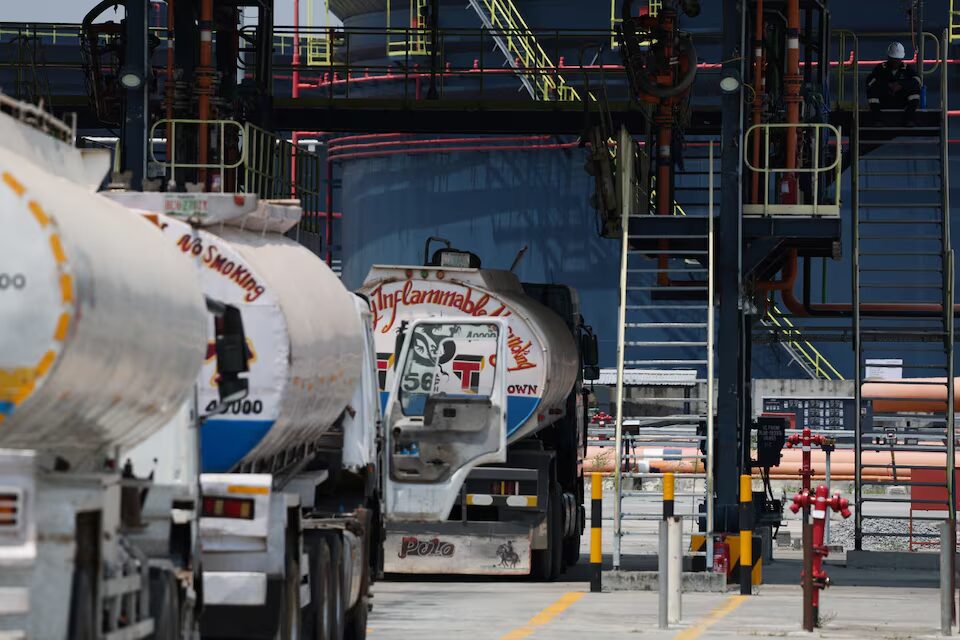
A softer dollar can reduce immediate pressure on import bills priced in dollars, including petroleum products, machinery, and pharmaceuticals. It can also slightly improve near-term investor appetite for frontier and emerging-market assets, though flows can reverse quickly if geopolitical or energy risks re-intensify.
For African central banks, the near-term question is whether global conditions are stabilising enough to limit currency pass-through into inflation. Where inflation expectations are anchored, authorities can avoid overly aggressive tightening. Where confidence is thin, even a short-lived easing in the dollar may not materially change policy posture.
The same dynamic matters for sovereign financing. Countries planning external bond issuance or negotiating programme support watch dollar moves closely because a strong dollar can raise yields, widen spreads, and increase the local-currency cost of servicing existing obligations. Commodity exporters can benefit when risk stabilises, but gains depend on whether export prices also hold up.
Markets remained exposed to conflict-driven swings in oil and gold, both of which affect Africa differently: higher oil prices pressure net importers, while stronger gold can boost receipts for producers and raise informal sector activity in artisanal belts.
Next steps
Investors will watch for clearer signals on the duration and economic spillovers of the conflict, alongside movements in oil prices and U.S. rate expectations. In Africa, attention will remain on reserve adequacy, fiscal execution, and any policy measures aimed at smoothing currency volatility.
Why it matters
Even brief shifts in the dollar can move African macro indicators quickly. When the dollar rally pauses, it can provide short-term breathing room on inflation and debt metrics, but it does not remove the underlying vulnerability of economies exposed to external shocks and dollar-priced imports.

 English
  Swahili
  French
  Portuguese
  Chinese