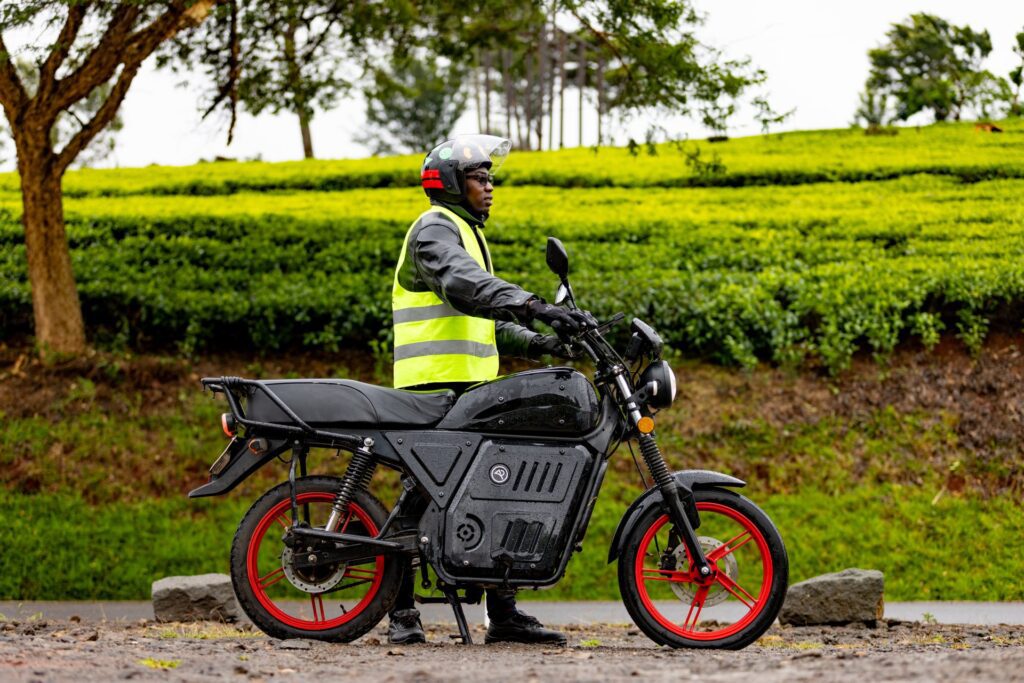
Kenya’s energy system is already unusual by global standards. Nearly 90 percent of its electricity comes from renewable sources, mainly geothermal, hydro and wind, and total installed capacity stands at about 3,700 MW against a peak demand of just over 2,170 MW, leaving an unused margin of more than 40 percent. Against this backdrop, the Kenya e-mobility transition is not simply about trendy vehicles. It is about turning spare green electrons into a new infrastructure backbone for jobs, cleaner cities and lower fuel imports.
Today, road transport consumes more than 70 percent of Kenya’s imported petroleum products and contributes about 20 percent of national greenhouse gas emissions. At the same time, the country had registered roughly 9,000 electric vehicles by the end of 2024, a fivefold increase compared with 2022. For decision-makers, the question is how to turn this early momentum into a bankable infrastructure play rather than a scattered fleet of pilot projects.
From scattered pilots to a system play
Kenya entered the e-mobility conversation early. The draft National E-Mobility Policy released in 2024 sets out a vision for local assembly of electric motorcycles and buses, a nationwide charging network and supportive fiscal measures. In parallel, the National Energy Policy 2025–2034 emphasises a competitive, inclusive energy market that uses clean power to drive new industrial opportunities.
On the ground, commercial models are emerging. BasiGo now operates around 100 electric buses in Nairobi on a “pay-as-you-drive” model that bundles the vehicle, charging infrastructure and maintenance into a kilometre-based fee. Roam Electric designs and assembles electric motorcycles and buses for African roads from its base in Kenya, while several start-ups offer electric boda-bodas and battery swapping targeted at riders’ daily economics rather than climate rhetoric.
Moreover, Africa-wide capital is mobilising. Spiro, an e-mobility company with operations in Kenya, recently raised USD 100 million led by Afreximbank to scale electric motorbikes and battery-swapping, with a target of 100,000 EVs across six countries by 2025. This signals that large balance sheets now take two- and three-wheeler electrification seriously as an asset class.
However, uptake still leans heavily towards motorcycles, with e-buses and passenger cars accounting for less than 3 percent of Kenya’s EV fleet. That imbalance reflects both cost and risk perceptions. It also underlines why the Kenya e-mobility transition must be framed as a system that links power, finance, cities and manufacturing rather than a set of disconnected vehicles.
Where Kenya can move fastest
Kenya’s comparative advantage lies in the combination of spare green power, dense urban transport demand and a sophisticated digital finance ecosystem. Digital payments already reach more than 84 percent of adults, creating a base for pay-as-you-go and usage-based finance models. Therefore, e-mobility can slot into existing habits where drivers and operators pay per kilometre or per day instead of taking large upfront loans.
Urban bus routes in Nairobi and Mombasa are a natural first frontier. High, predictable daily mileage means operators can monetise lower operating costs quickly, while centralised depots simplify charging. Studies already show that electric buses, when powered by Kenya’s grid, cut both fuel and maintenance costs significantly over their lifecycle. In addition, switching even a fraction of city buses to electric power could reduce pollution in the most congested corridors.
Boda-boda fleets provide another quick win. Motorcycles already account for billions of dollars of value in East African transport each year, and riders feel every shilling of fuel price volatility. Battery-swapping and subscription models can therefore deliver immediate working-capital relief while smoothing electricity demand across the day.
Finally, there is a regional angle. Kenya’s ports and corridors move goods into Uganda, Rwanda, South Sudan and eastern DRC. Integrating charging and battery logistics into these freight routes can position the country as the e-mobility services hub for the northern EAC, especially as regional players look for ways to cut diesel dependence without sacrificing connectivity.
What banks, regulators and partners should do next
For bank CEOs, the Kenya e-mobility transition is fundamentally about long-term infrastructure cashflows. Charging depots, battery-swapping networks and e-bus fleets behave like power or telecom assets: high upfront capital, but steady revenue once utilisation ramps up. Therefore, they call for seven- to ten-year loans, asset-backed leasing and project finance structures, not just short-term working-capital lines.
Banks can start by building dedicated e-mobility risk frameworks inside their green finance books. That means using real operating data from early fleets to model default and residual-value risk, structuring revenue-based repayment linked to kilometres driven, and working with DFIs to secure partial guarantees. In practice, the goal is to migrate successful pilots into standard credit products that relationship managers can sell.
Regulators and ministries need to keep policy momentum predictable. Finalising the e-mobility policy, clarifying tariff structures for public and private charging, and harmonising standards for connectors, safety and data will all reduce uncertainty. In addition, aligning city transport plans with e-bus and e-motorcycle deployment—through route concessions or fleet renewal schemes—will help aggregate demand.
Development partners and climate funds have a clear role in de-risking first movers. Results-based grants tied to tonnes of CO₂ avoided, concessional debt for depots and grid upgrades, and technical assistance for utilities and city governments can crowd in pension funds and commercial lenders.
Ultimately, the test is whether Kenya can turn its green power surplus and digital rails into a coherent, investable transport system. If it succeeds, the Kenya e-mobility transition will not be remembered for shiny gadgets, but for how it cut fuel imports, cleaned city air and created a new class of bankable infrastructure assets across the grid and the roads.
Wednesday 3rd December 2025 by inAfrika Newsroom Ghana critical minerals value chain is rapidly becoming a test case for how African countries handle the energy transition boom. Long known as…
Wednesday 3rd December 2025 by inAfrika Newsroom Egypt pharmaceutical manufacturing now sits at the centre of the country’s health, FX and industrial policy debates. The pharmaceutical market is worth around…
Wednesday 3rd December 2025 by inAfrika Newsroom South Africa just energy transition has moved from a climate slogan to a balance-sheet issue for every major business in the country. Eskom…

 English
  Swahili
  French
  Portuguese
  Chinese