Wednesday 28th January 2026
By inAfrika Newsroom
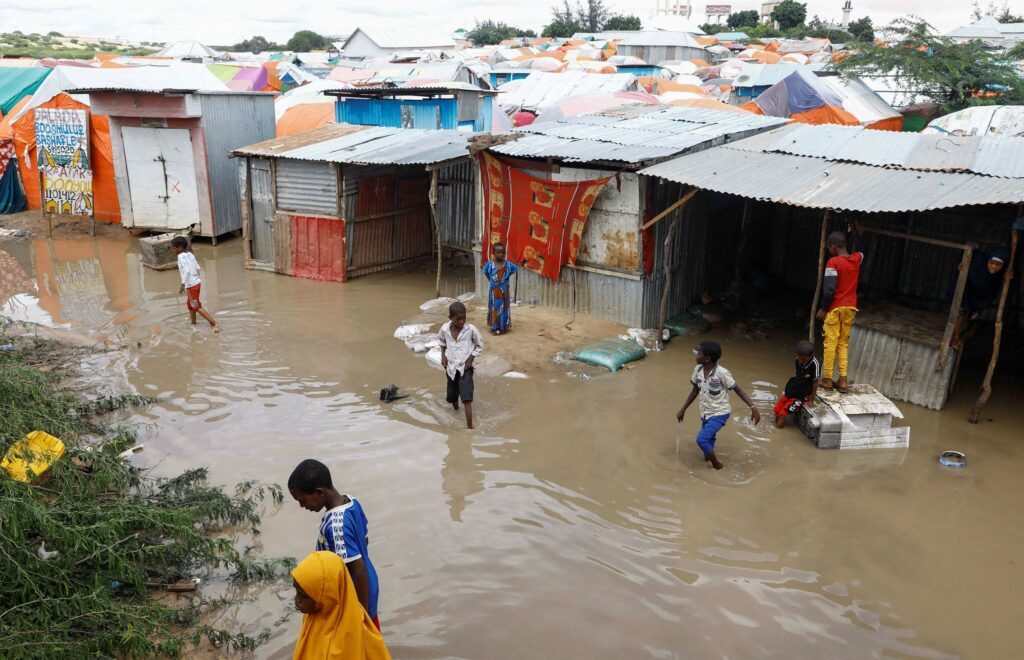
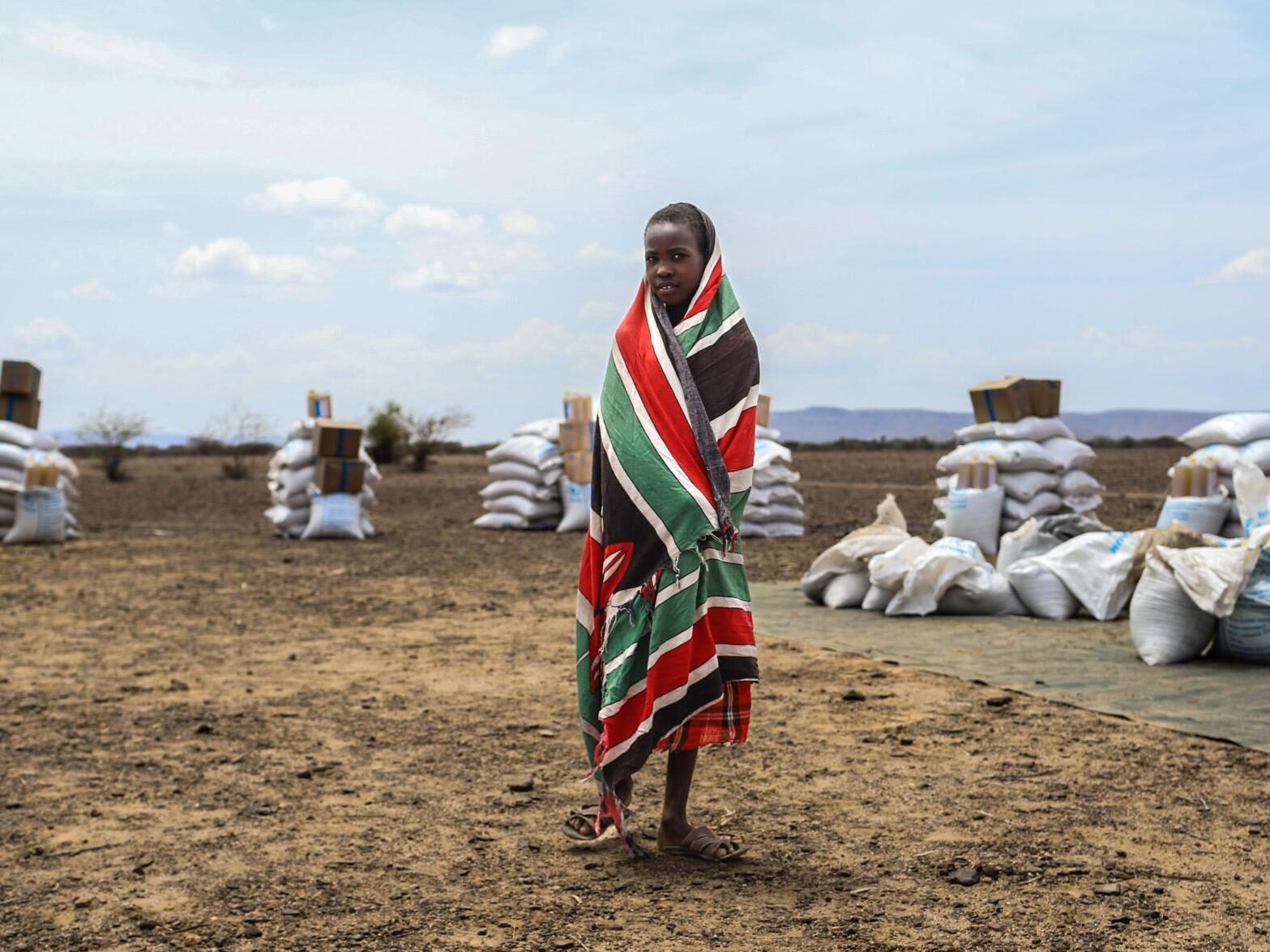
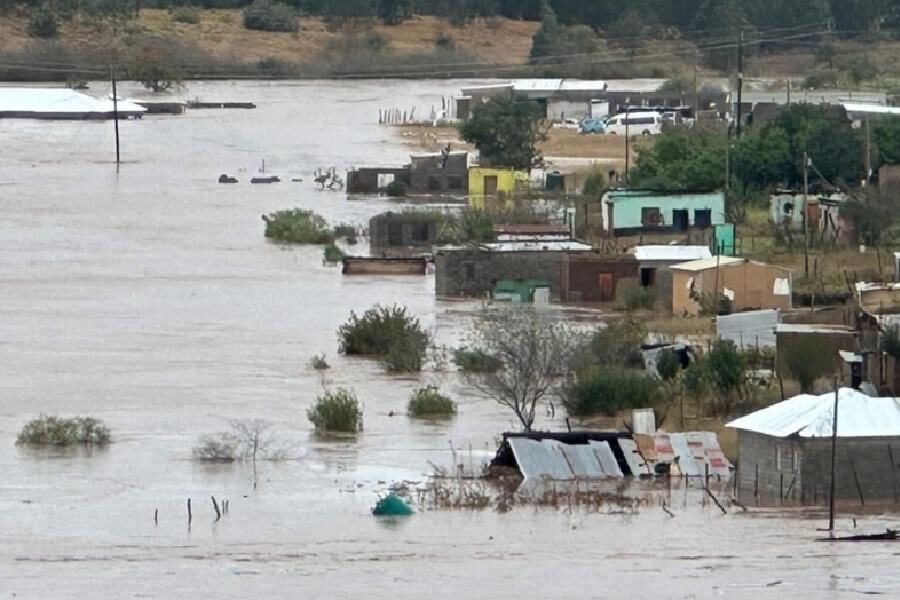
Africa climate extremes are intensifying as severe drought conditions affect parts of the east while destructive floods continue to disrupt communities in southern Africa, reinforcing warnings that the continent is absorbing sharper climate-linked shocks across seasons.
Al Jazeera reported on the contrast of extreme drought in the east and major flooding in the south, describing the scale of disruption across a short time window.
In southern Africa, Reuters reporting earlier in the month said Mozambique’s floods had affected over half a million people, with towns submerged, roads cut, and rescue operations constrained by access challenges.
These dual crises matter because they stress the same government systems: disaster risk management, public health surveillance, transport resilience, and food supply chains. Drought cuts crop yields and raises power risks in hydropower-linked systems, while floods destroy roads, schools, and health posts and heighten disease exposure in displacement sites.
Regional coordination is becoming more important. River basins and weather systems do not respect borders, and downstream flooding can be worsened by upstream rainfall and dam management. That pushes governments to invest in early-warning systems, evacuation planning, and shared hydrological data.
The financing dimension is immediate. Disaster response draws on already stretched budgets, while reconstruction competes with planned infrastructure investment. For many African states, climate shocks increasingly translate into macroeconomic pressures through food inflation, revenue shortfalls, and higher emergency spending.
Next steps
Africa climate extremes will likely drive more emphasis on early-warning systems, climate-resilient infrastructure standards, and contingency financing that can be activated quickly when floods or drought cross risk thresholds.
Why it matters
Climate shocks are no longer isolated events; they are compounding risks that affect inflation, health, transport, and growth forcing governments and investors to price resilience into decisions.

 French
  English
  Swahili
  Portuguese
  Chinese