Friday 24th April 2026
By inAfrika Newsroom
Chad meningitis outbreak April 2026 is putting pressure on health services in eastern Chad as crowded refugee settlements receive more people fleeing conflict in neighbouring Sudan. The update matters now because disease control, vaccination and shelter conditions are directly linked in border areas.
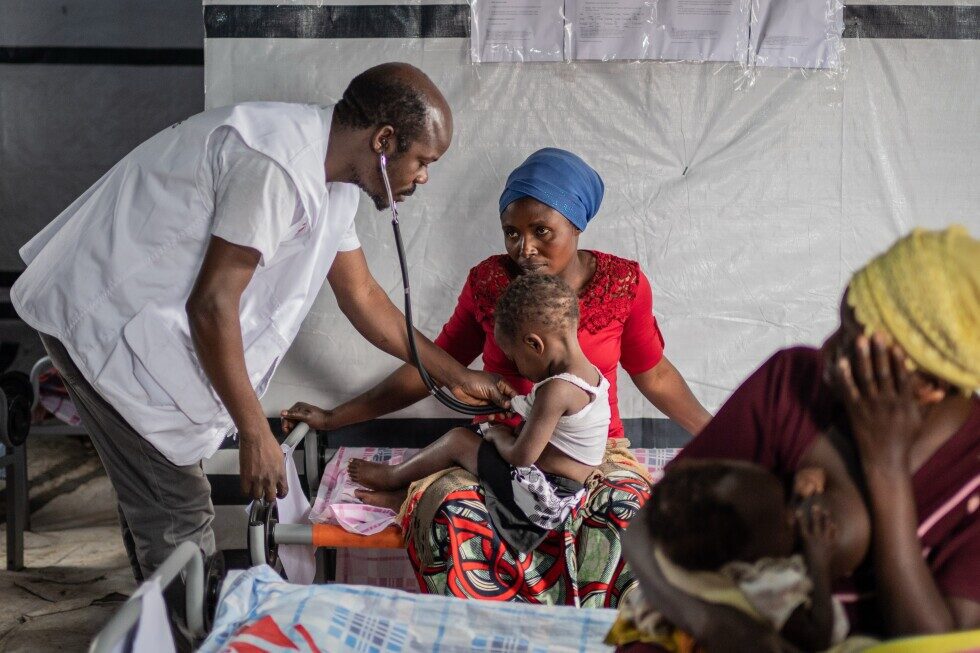
Medical teams reported 212 children admitted with meningitis from March to April, with 25 deaths recorded. The case-fatality rate was described as nearly 12% among affected children in the facilities cited.
Measles is also spreading in Adre, a border town receiving new arrivals. Health workers said bed occupancy for meningitis treatment was close to 100%, limiting capacity for other conditions.
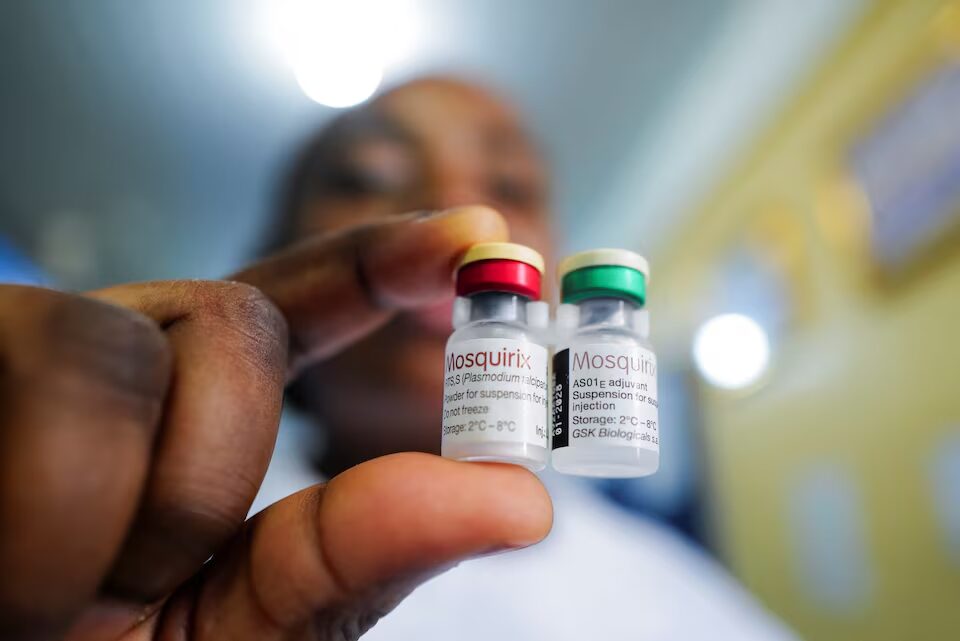
The wider humanitarian numbers are large. More than 1.3 million Sudanese refugees are now living in Chad. Most arrived after fighting in Sudan began in April 2023. Emergency vaccination campaigns have reached more than 95,500 children for measles and 337,800 people for meningitis in affected areas.
Here is what Chad meningitis outbreak April 2026 means for families and health budgets. Overcrowding raises transmission risk, while stretched clinics face higher demand for beds, staff, medicine, vaccines and clean water.
Chad meningitis outbreak April 2026: What changes for businesses and households
For households, the most urgent change is health-seeking behaviour. Families in affected areas need quick access to clinics when symptoms appear and should follow local vaccination guidance where campaigns are operating.
For health agencies, the operational challenge is scale. Vaccination, surveillance, isolation spaces, cold-chain systems and staffing must move faster than disease spread.
For governments and donors, the issue is financing. Chad, Sudan, South Sudan and Central African Republic sit in a fragile health corridor where conflict displacement can quickly become a regional public-health emergency.
For African policy planners, the outbreak shows why humanitarian response is also economic policy. Disease pressure affects schools, markets, work, transport and border trade when communities live under stress.

 French
  English
  Swahili
  Portuguese
  Chinese