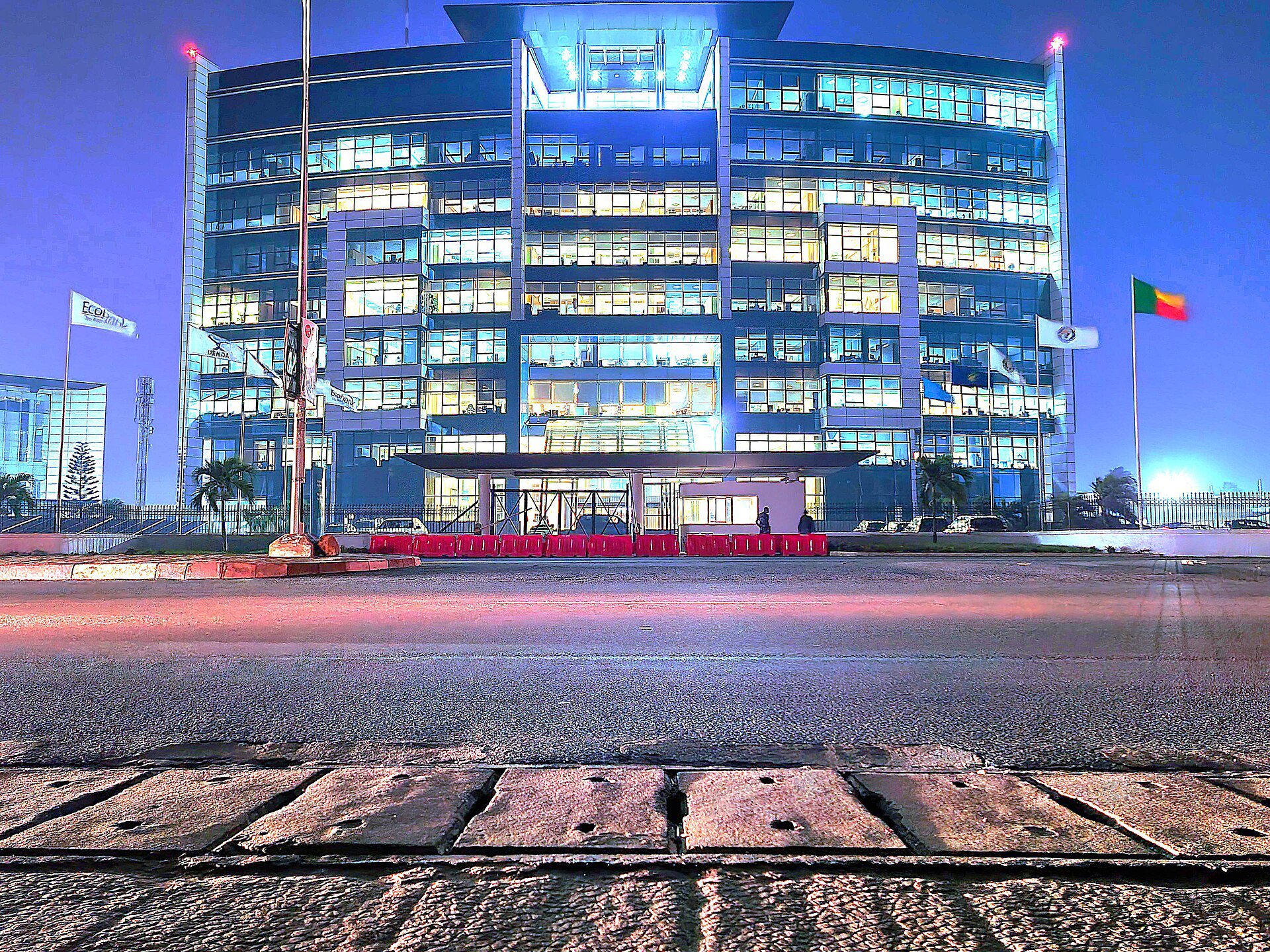
Ecobank headquarters, Lomé, 22 August 2024. Institutional file photograph, not the 2026 bond ceremony. Photo: Edison McCullen, CC BY 4.0.
By inAfrika Newsroom
Ecobank’s USD 450 million Sustainable Agriculture & Natural Capital Bond offers an example of how bank funding can connect capital markets with eligible farming, processing and water projects. This explainer reviews the 2026 transaction and its intended lending model, rather than reporting a new November bond issue.
The group announced pricing on 14 May, describing a Tier 2 instrument with a 10.25-year term and an issuer call option after 5.25 years. It also said the transaction refinanced its 2021 Tier 2 Sustainability Notes, which means the USD 450 million headline should not be treated automatically as an equal amount of additional lending.
Ecobank’s 2 June announcement set out the nature-finance rationale. A subsequent 9 July market-opening ceremony celebrated the London listing; these were separate milestones in the same transaction.
The eligible activities span sustainable primary production, agricultural processing, and water supply and sanitation across 24 markets. Ecobank says the instrument carries the International Capital Market Association’s Nature Bond secondary designation, alongside alignment with its Green Bond Principles.
Those labels describe the financing framework; they do not establish environmental results at every eventual borrower. The relevant evidence includes which loans receive allocations, how projects meet eligibility criteria and what environmental indicators are subsequently reported.
The distinction is practical for agricultural businesses. A processor seeking finance may need to demonstrate how its operations fit the defined categories, rather than assuming that any activity involving crops qualifies because agriculture appears in the bond’s name.
Refinancing also matters when interpreting scale. Replacing an earlier debt instrument can support a bank’s capital structure, while eligible lending allocations and repayments determine how the financing model reaches businesses over time.
The transaction sits alongside broader efforts to connect biodiversity commitments with financial delivery. Assessing its usefulness requires both the funding documents and later allocation or impact reports, rather than treating investor demand as a measure of hectares restored or households served.
The next meaningful test is therefore implementation. Verified lending allocations and measurable outcomes in agriculture and water would show how the bond’s stated purpose translates into activity in African economies.
Have a verified news development or story? Send news submissions and supporting materials to news@inafrika.co.tz
COP17 concluded on 31 October with the Yerevan Pathway, shifting attention to national budgets, funding access and implementation of biodiversity commitments.
AfDB’s first Moroccan-dirham bond raises MAD 1bn through a seven-year private placement, while further local-currency funding plans remain under consideration.
The five-year Hong Kong dollar bond carries a 4.143% coupon, with settlement scheduled for November 6 and proceeds supporting eligible social projects.

 French
 English
 Swahili
 Portuguese
 Chinese