Français
 English
 Kiswahili
 Português
 简体中文

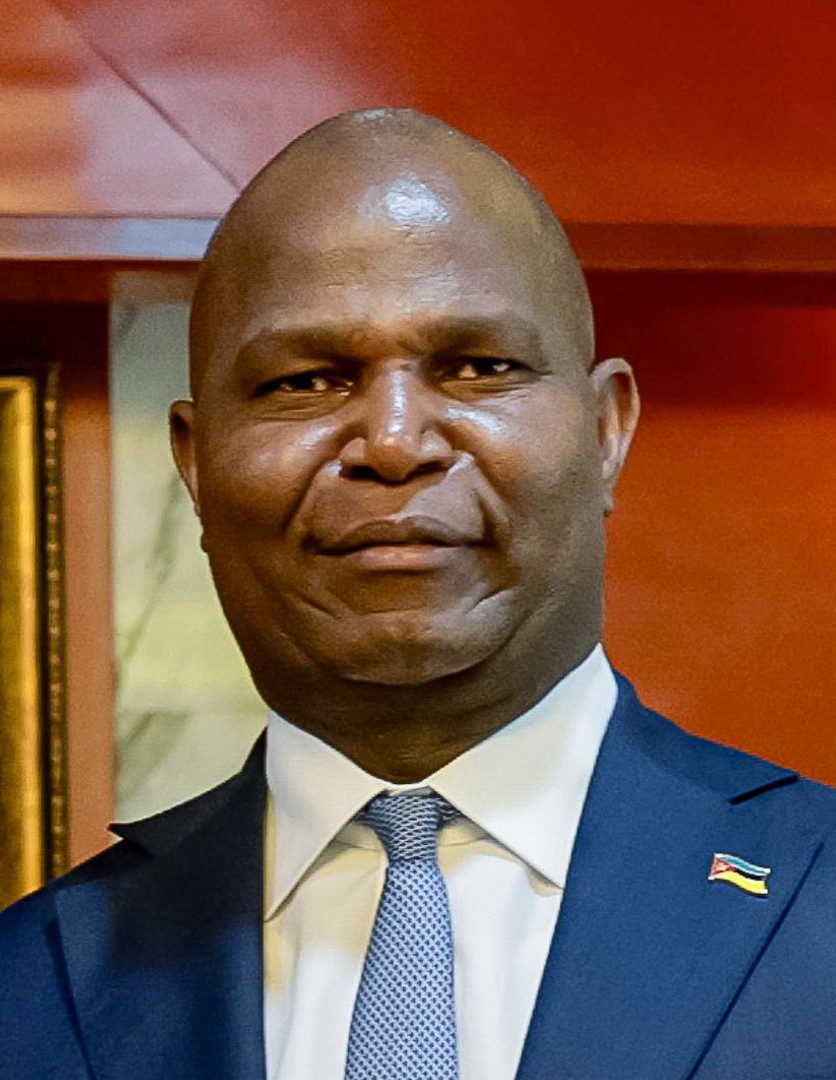
Mozambique sets 4.5 million-tonne cereal target for 2026/27
Mozambique’s 2026/27 agricultural campaign targets 4.5 million tonnes of cereals and includes support for farmers exposed to El Niño.
Tuesday 10th November 2026
By inAfrika Newsroom
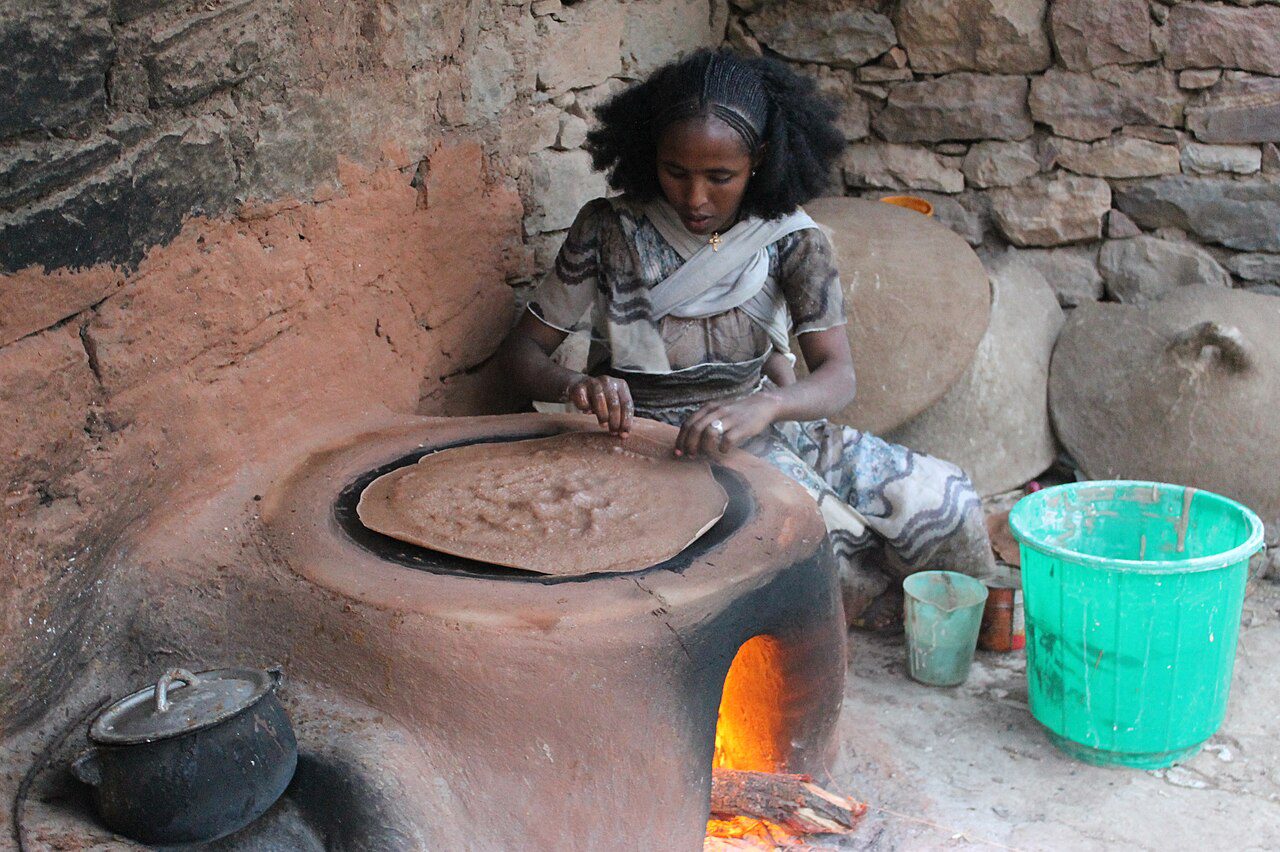
Ethiopia’s Ministry of Water and Energy estimates that expanding access to cleaner cooking will require $3.38 billion in investment over 2025–2035. Its investment plan, dated June 2025, sets out how grants, carbon finance and other sources could pay for stoves and the infrastructure they need.
Les ministry plan allocates about $2.6 billion to cooking technologies and their rollout. It covers electric cooking and more efficient biomass stoves, as well as smaller roles for biogas and solar cooking. The largest proposed allocation in that part of the plan, $1.04 billion, would finance household purchases through microfinance and payment plans.
The other $780 million covers measures that include stronger electricity networks for electric cooking, testing and standards for stoves, and ways to check whether emissions reductions actually occur. The plan allocates $120 million to infrastructure upgrades.
Grants would supply 35% of the financing and carbon finance 30% under the proposed mix. Concessional loans would account for 20%, government contributions 10% and private investment 5%. These shares describe how the ministry proposes to finance the plan.
An International Energy Agency review published in October 2026 said Ethiopia aims to reach 58% clean cooking access by 2030 and 76% by 2035. It expects electric cooking and advanced biomass stoves to account for most of the additional access and describes previous clean-cooking finance as largely grant-funded.
The ministry identifies volatile carbon-credit revenues and funding shortfalls among the risks. Its proposals include financing the purchase and distribution of stoves before credits can be issued, as well as tracking their use to support claims about emissions reductions.
Have a verified news development or story? Send news submissions and supporting materials to news@inafrika.co.tz