Friday 23rd January 2026
By inAfrika Newsroom
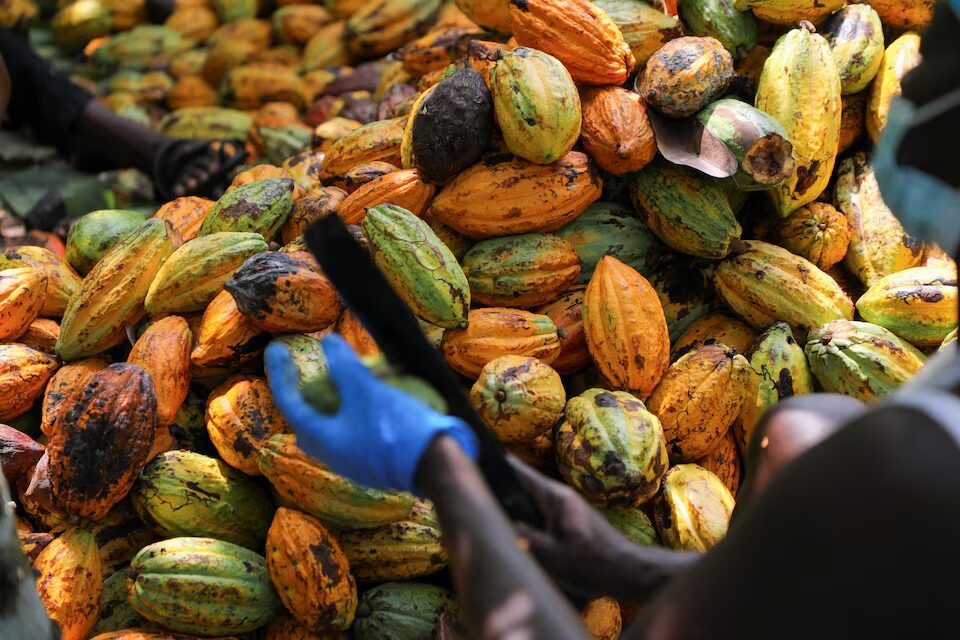
Ghana cocoa farmer payments are stalling across several growing areas as licensed buying companies and the industry regulator manage a disrupted financing model that has slowed cash movement from exporters to the farmgate. The Ghana cocoa farmer payments delay is drawing scrutiny because it risks undermining maintenance ahead of the next harvest and could deepen stress in a sector that anchors rural incomes and export earnings.
The disruption follows a change introduced by the Ghana Cocoa Board (COCOBOD) for the 2024/25 season. Under the revised approach, international traders take on more responsibility for pre-financing cocoa purchases that COCOBOD previously supported through syndicated borrowing. Reuters reported that traders have resisted paying 60% upfront for forward contracts, contributing to a bean stockpile and delayed settlement to farmers.
The timing has compounded the problem. International cocoa prices have fallen about 20% so far this year after a sharp decline last year, according to the same report, tightening margins in the marketing chain. Yet Ghana increased the farmgate price to 58,000 Ghana cedis per metric ton, creating tension between what buyers pay locally and what exporters can realise on the market.
Buying companies have warned that delays in farmer payments threaten their own loan repayment schedules and reduce working capital for field operations. For farmers, late payments often translate into postponed pruning, fertiliser use, pest control, and labour hiring, all of which affect yields and quality in subsequent seasons.
Cocoa remains central to Ghana’s external position. When farmer cashflow weakens, rural demand can drop, input suppliers face slower turnover, and confidence in official purchasing systems can erode. That can increase side-selling incentives and complicate traceability goals that buyers and regulators increasingly demand.
Ghana cocoa farmer payments and the financing reset
The longer-term issue is whether Ghana can maintain stable, predictable pre-financing while keeping farmgate prices aligned with market realities. Reuters reported that the new model replaced a decades-old structure in which COCOBOD arranged syndicated loans to fund purchases, but the transition has exposed liquidity gaps when trader terms do not match local procurement needs.
Next steps
Ghana cocoa farmer payments will remain a near-term priority for COCOBOD, licensed buying companies, and international traders as the industry seeks workable settlement terms and clearer financing lines. Market participants will also watch whether farmgate pricing and forward contract structures are adjusted to reduce the mismatch between local obligations and export realisations.
Why it matters
Ghana cocoa farmer payments matter because payment delays can reduce investment in farm upkeep, lowering future output and export receipts. The issue also affects credit risk for buying companies and the credibility of Ghana’s cocoa marketing system in a market that increasingly values reliability, traceability, and supply security.

 French
  English
  Swahili
  Portuguese
  Chinese