
 French
 English
 Swahili
 Portuguese
 Chinese
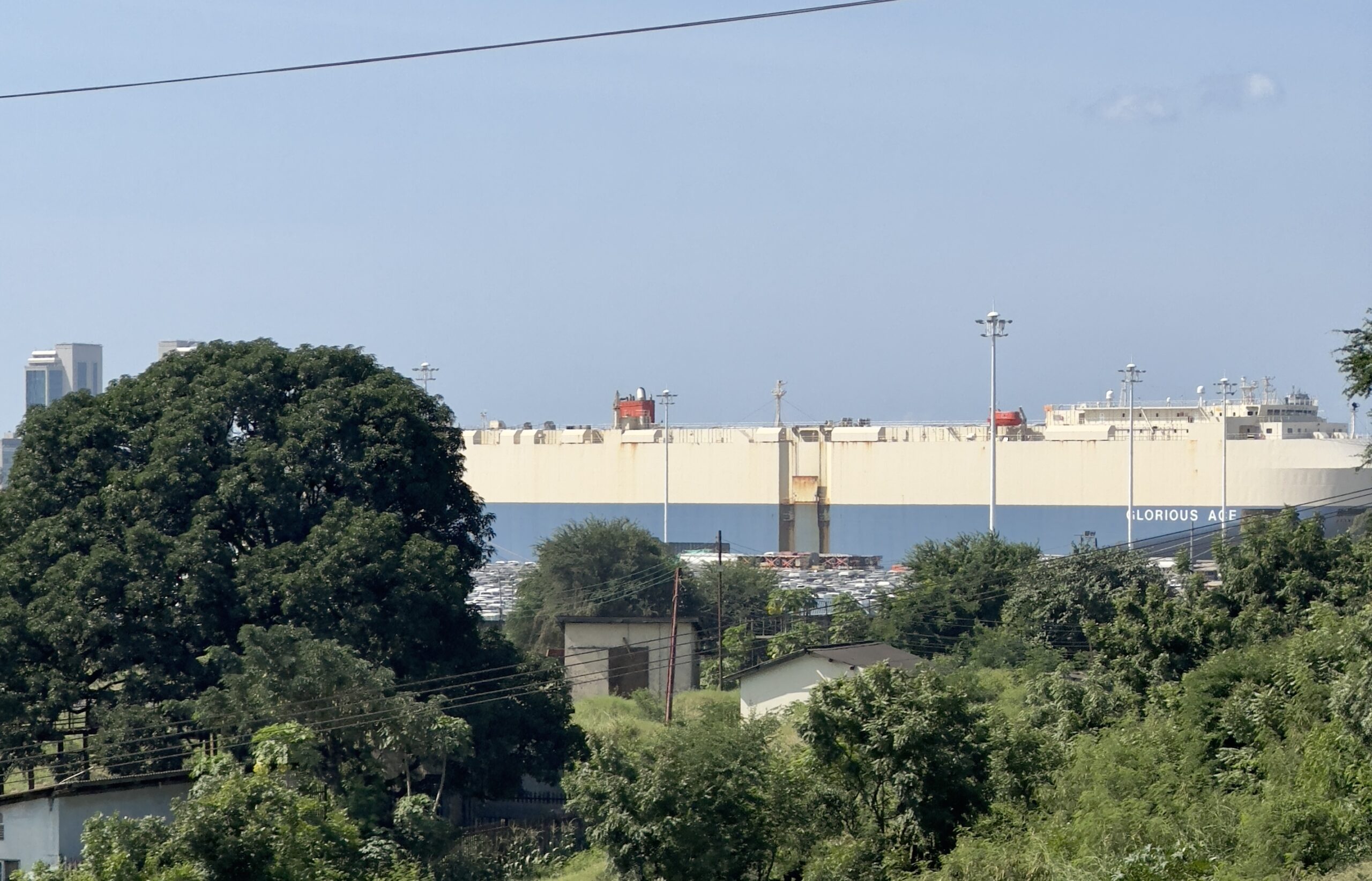
September 2026 Edition — Numbers That Demand Answers
InAfrika Magazine September 2026: Trade grows strongly; finance and technology pledges raise the bar for measurable delivery.
Growth forecasts improve, but the region must turn trade, tourism and climate policy into lasting competitiveness.

By October, the case for African resilience was well established, but resilience is not an economic strategy by itself. A stronger growth forecast did not eliminate fiscal pressure. East Africa moved on digital commerce and tourism planning, while climate finance and border security remained pressing. Our coverage is now less concerned with how ambitious an announcement sounds and more concerned with the decisions governments, financiers and companies must take next. This edition closes a six-month sequence by putting outcomes, accountability and the reader’s choices at the centre.
The IMF October regional outlook projected sub-Saharan African growth of 4.5% in both 2026 and 2027. It judged that reforms and favourable receipts in some economies had helped the region withstand new external shocks. But it also warned that interest costs, low reserves, reduced aid and limited fiscal buffers left many countries exposed. The October forecast is not directly interchangeable with the AfDB’s May all-Africa figure: the geographic coverage, methods and publication dates differ.
Higher growth is not the end of the policy debate. Governments need to protect productive investment while managing debt and targeting support to vulnerable households. Private firms need reliable basic services and access to finance that does not disappear when the public sector borrows more.
What to watch: Ask whether growth is translating into real incomes, investment, jobs and lower trade costs, not merely whether a forecast has improved.
EAC tourism ministers adopted a 10-year joint marketing strategy and committed to use AFCON 2027 to promote the region as a shared destination. The plan covers cross-border tourism, hotel classification, conservation and branding. A tournament can create attention, but regional value depends on visa processes, transport links, service quality and packages visitors can actually book.
The opportunity extends beyond hotels into guides, local suppliers, creative industries and transport operators—provided market access is practical.
What to watch: Track joint visitor itineraries, cross-border booking products and verified incremental tourism revenue.
Regional officials met in Dar es Salaam to advance the EAC e-commerce strategy and preparedness for the AfCFTA Digital Trade Protocol. The agenda included consumer confidence, digital logistics, payment systems, cybersecurity and monitoring. The framework matters because trade online requires more than a storefront: payment, delivery, redress and interoperable rules must work together.
For smaller retailers, trusted online trade can expand customers beyond a home city, but only when fraud risk and delivery costs stay manageable.
What to watch: Measure online cross-border transactions, fulfilment times, customer complaints and dispute resolutions.
Ahead of COP31, EAC partner states validated a regional climate position seeking more predictable, accessible and grant-based finance. The bloc called for stronger adaptation support and assistance that does not worsen debt burdens. For countries facing floods, drought and agricultural risk, the question is whether the funding mechanism allows money to reach viable local projects.
Climate finance is most valuable when communities and businesses see practical protection—water systems, resilient infrastructure and adaptive farming—not only pledges at negotiations.
What to watch: Watch grant approvals, local disbursement data and independently verified resilience outcomes.

The EAC announced the handover of 16 Japan-funded patrol vehicles, with two allocated to each partner state, to support security around regional borders and one-stop border posts. Safer trade routes are important for traders, but equipment is only one element of effective border management. Training, coordination, fair enforcement and regular maintenance must accompany the vehicles.
Security investments have economic value when lawful cargo moves with fewer disruptions, not when additional checks create new delays.
What to watch: Examine operational deployment, reductions in cross-border incidents and effects on clearing times.
Forecasts, commitments, programmes under development and recorded economic outcomes are identified separately. All five source announcements were published during October 2026. The page uses context photographs with archival dates.