The Kaduna church kidnappings in Nigeria drew fresh attention on Tuesday after armed attackers seized worshippers from two churches in Kurmin Wali village, while the military separately reported an ambush in Zamfara state that killed five soldiers and a police officer.
The two incidents reflect overlapping security threats across northern Nigeria: mass abductions in rural communities and attacks on security convoys responding to violence. Together, they raise the political and operational stakes for authorities as communities demand faster rescue operations and more credible deterrence.
In Kaduna, the armed gang returned to Kurmin Wali on Sunday and took more than 170 people during a church service, according to accounts cited by local community sources and church leaders. A Christian Association of Nigeria representative said 163 people were still missing after some children escaped.
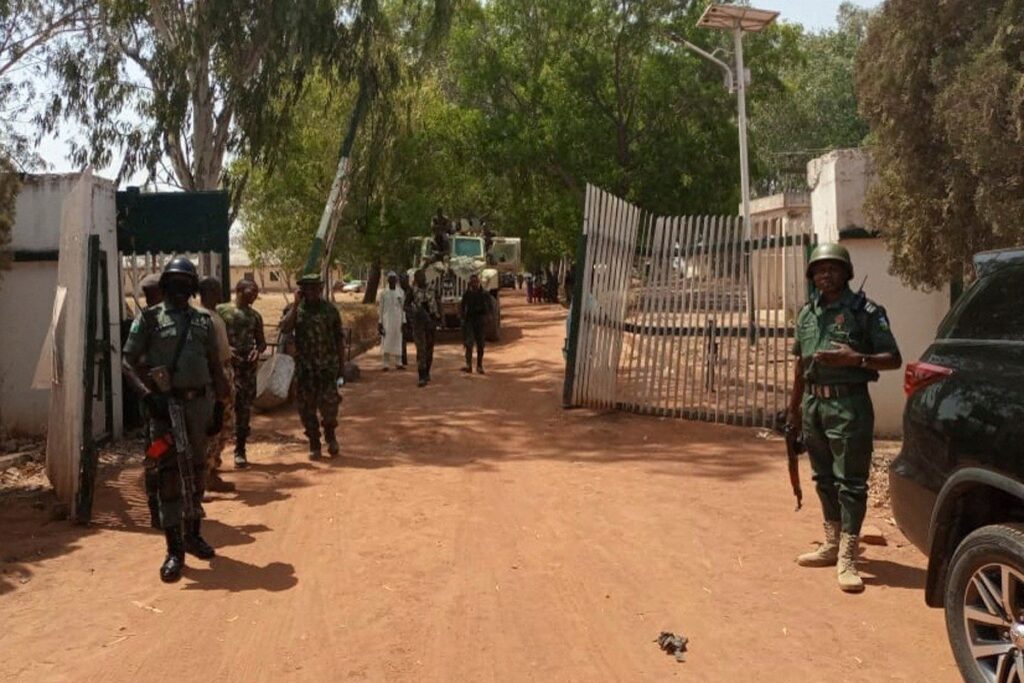
Reuters reporters who visited one of the targeted churches described signs of disturbance inside the building, consistent with a sudden raid during a service. The incident adds to the pattern of motorcycle-borne attacks in remote areas where communities have limited communications and weak state presence.
Separately, the military said troops traveling to respond to an attack on a village in Zamfara state were ambushed by militants, killing five soldiers and one police officer. The military said three suspects were arrested and four militants were killed in subsequent operations, including raids carried out between January 17 and January 19.
The government has repeatedly said it is working to tackle armed groups that target both Muslim and Christian civilians, often for ransom. Security forces remain stretched across multiple theatres, including the northwest and northeast, where different armed actors operate with varying motives and structures.
Kaduna church kidnappings and the wider abduction economy. Kidnapping for ransom has become embedded in local conflict economies across parts of Nigeria’s north. Armed gangs often operate from forested areas, using rough terrain to evade pursuit and to shift hostages quickly.
The Kaduna case highlights a recurring vulnerability: large gatherings in communities where rapid response capacity is limited. Meanwhile, the Zamfara ambush shows how even response missions can be targeted, raising the cost of deploying troops and complicating rescue efforts.
Beyond the immediate humanitarian urgency, these incidents can also affect local markets. When insecurity rises, transporters avoid routes, traders reduce movements, and households pull children out of school. Over time, that undermines rural incomes and weakens state legitimacy.
Next steps
Security agencies are expected to intensify search and rescue efforts around Kurmin Wali and adjoining forest corridors, while also increasing patrols on routes used by armed gangs. The military’s report of arrests suggests follow-on intelligence operations are underway in Zamfara.
State authorities and community leaders are also likely to review local early-warning arrangements, including how quickly attacks are reported and how communities can reduce exposure during high-risk periods such as weekend services and market days.
Why it matters
The Kaduna church kidnappings are not only a security story; they test governance capacity and social cohesion. Large-scale abductions create trauma, disrupt livelihoods, and can deepen mistrust between citizens and the state. They also influence investor perceptions of operating risk in Africa’s largest economy, especially in agrarian northern states where supply chains depend on safe movement.
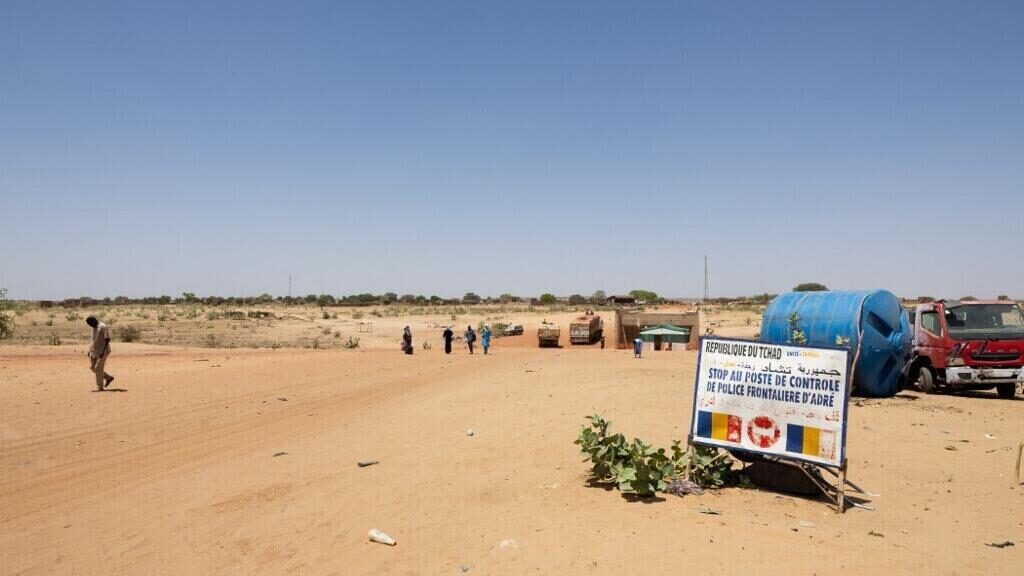
Monday 23rd February 2026 By inAfrika Newsroom Chad has closed its eastern border with Sudan after weekend clashes linked to Sudan’s civil war killed five Chadian soldiers, two sources told…
Wednesday 18th February 2026 By inAfrika Newsroom Saudi-UAE rivalry in Horn of Africa is shaping diplomatic calculations as African leaders meet around the African Union summit agenda, with diplomats and…
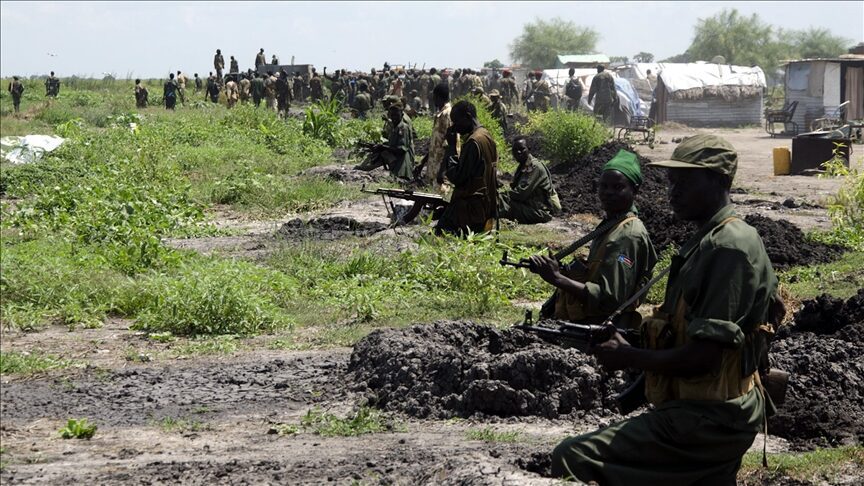
Wednesday 28th January 2026 By inAfrika Newsroom South Sudan Jonglei offensive operations have escalated after the government launched what it called a major military push to regain territory from opposition-linked…

 French
  English
  Swahili
  Portuguese
  Chinese