 Français
 English
 Kiswahili
 Português
 简体中文

Engen targets Durban gas-power construction in two years, report says
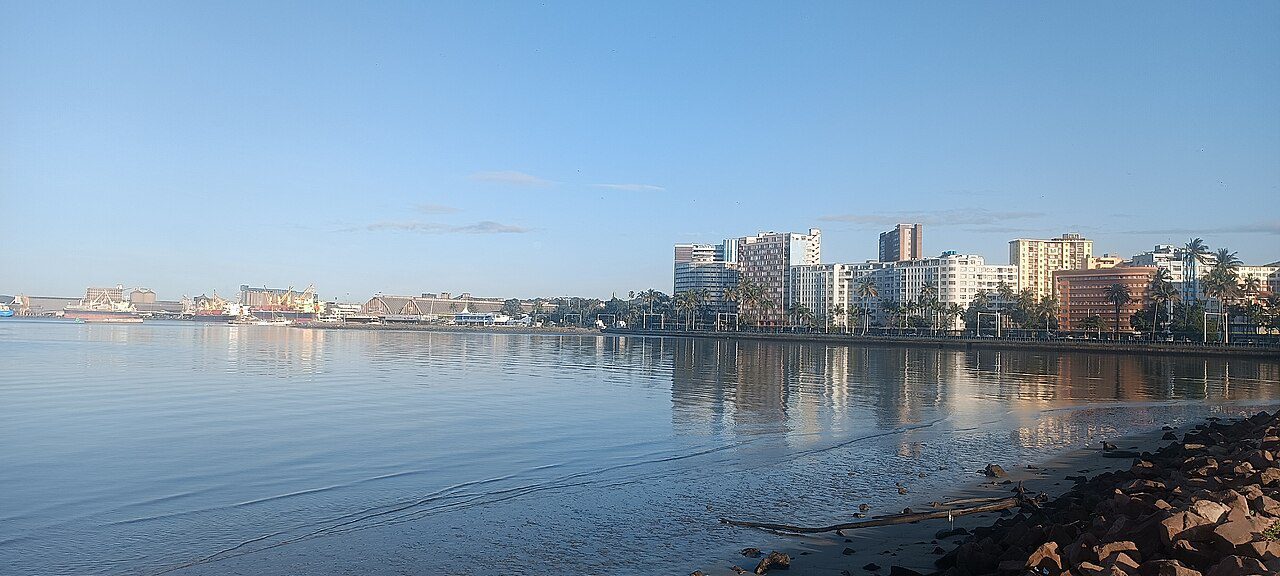
Bloomberg reports a R40 billion Durban LNG power plant construction target in about two years. Earlier records describe a broader power-and-import scheme.
Tuesday 24th November 2026
By inAfrika Newsroom
Kenya’s electricity imports fell 17.9% in September 2026 to 121.09 million kilowatt-hours, as both cross-border purchases and domestic generation declined, provisional official data show.
Imports were 147.55 million kWh in August, according to Table 15(b) of the Kenya National Bureau of Statistics’ September Leading Economic Indicators, which cites Kenya Power. A kilowatt-hour measures electricity supplied over time, rather than generating capacity.
Purchases from Ethiopia fell to 111.44 million kWh from 134.01 million, while the Uganda entry declined to 9.65 million from 13.53 million. Tanzania’s entry was zero at the table’s displayed precision, compared with 0.01 million in August.
Total electricity supply fell 2.5% to 1,361.30 million kWh. Domestic generation slipped to 1,240.21 million from 1,248.23 million, so the decline in imports did not represent a rise in local output.
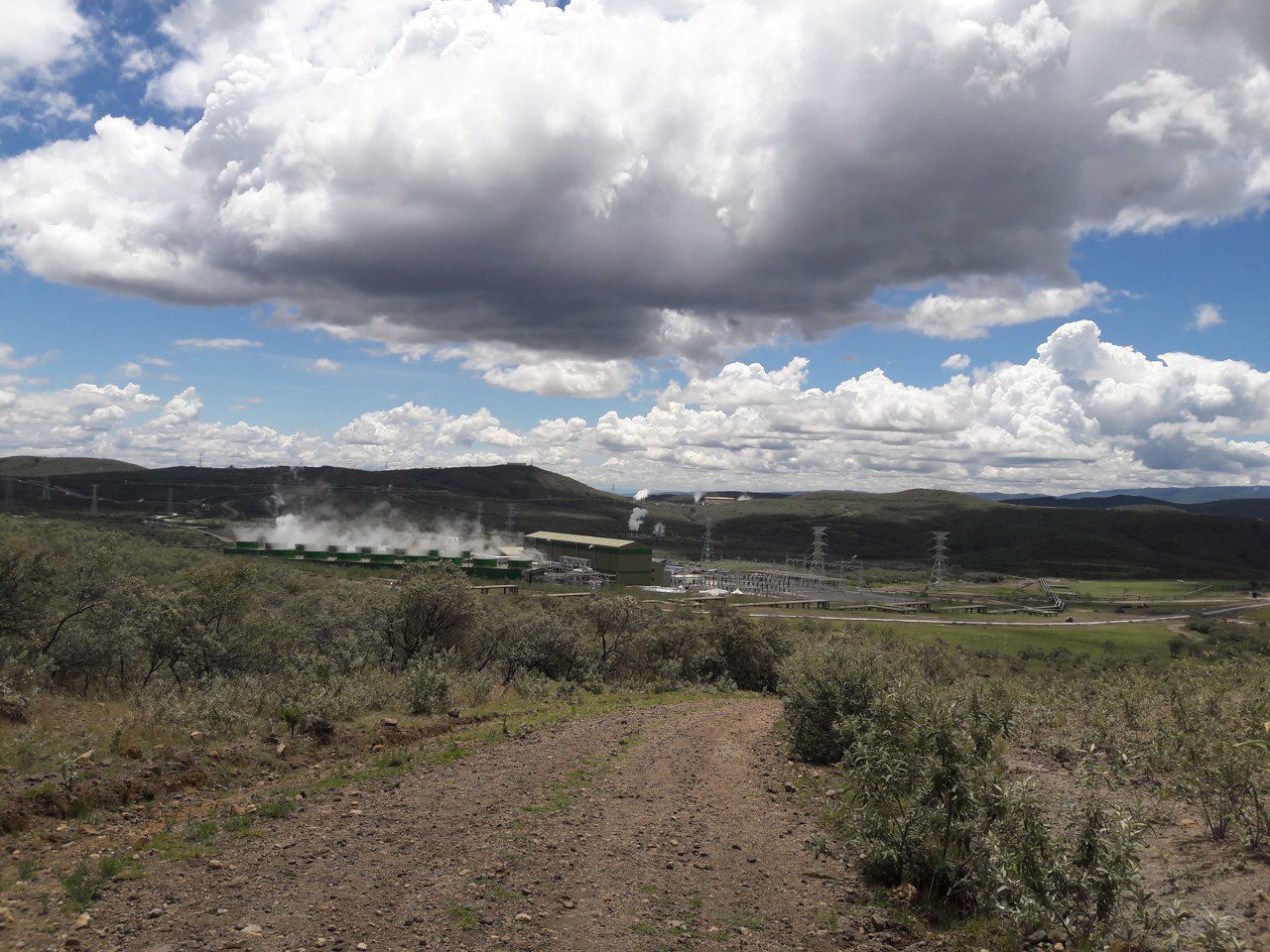
Geothermal remained the largest domestic source, providing 575.1 million kWh, or 46.4% of local generation. Hydro output fell 10.4% to 306.2 million kWh, while wind, solar and thermal generation increased.
The data extend InAfrika’s earlier August coverage. They are provisional monthly energy figures; the tables do not establish why individual cross-border flows changed.
Have a verified news development or story? Send news submissions and supporting materials to news@inafrika.co.tz.