Thursday 8th January 2026
By inAfrika Newsroom
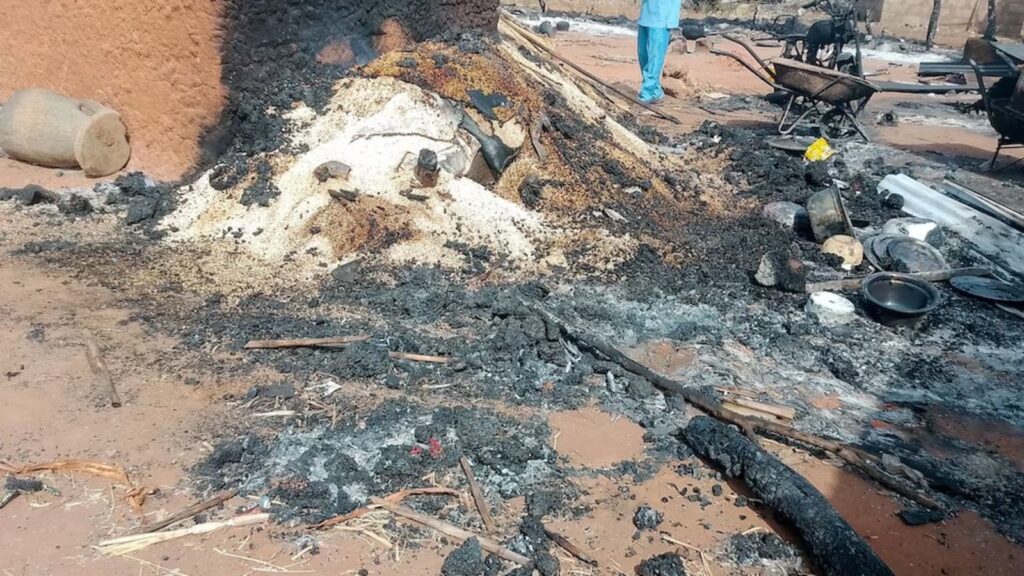
Nigeria market attack fallout dominated security discussions on Monday after police said at least 30 people were killed and several others abducted when gunmen attacked a market in Niger State.
Police spokesperson Wasiu Abiodun said the gunmen stormed Kasuwan Daji market in Demo village at about 4:30 p.m. on Saturday. He said attackers burned stalls and looted food items. Meanwhile, residents reported panic as the assault unfolded.
Witnesses told Reuters the gunmen arrived on motorcycles and opened fire. They said the violence followed a series of raids that began on Friday in nearby villages, including Agwarra and Borgu. Therefore, local fear has spread across a wider area, not only the market site.
One wounded witness, Dauda Shakulle, said women and children were not spared. He also said there had been no security presence since the attacks began. As a result, communities said they were left to recover bodies and to search for missing relatives.
President Bola Tinubu said on Sunday he directed authorities to hunt down the perpetrators. He also ordered urgent rescue efforts for abducted victims. In addition, he told security agencies to intensify operations around vulnerable communities, especially near forests.
The Nigerian military did not immediately respond to requests for comment, according to the same update. Still, the incident adds to pressure on federal and state authorities to show results against armed groups.
Attacks that hit markets can trigger wider economic harm. They disrupt trade, raise food insecurity, and reduce farmer incentives to bring produce to town. Consequently, even short spikes in violence can push up prices and deepen hunger risks.
Next steps — Nigeria market attack
Security agencies are expected to expand patrols and update rescue operations for abducted people. In addition, Nigeria market attack investigations may focus on raid patterns across Agwarra and Borgu corridors.
Why it matters
Markets are lifelines for food and income. Therefore, insecurity in rural trade hubs can deepen inflation pressure and weaken public trust in protection.

 French
  English
  Swahili
  Portuguese
  Chinese