Tuesday 16th December 2025
By inAfrika Newsroom
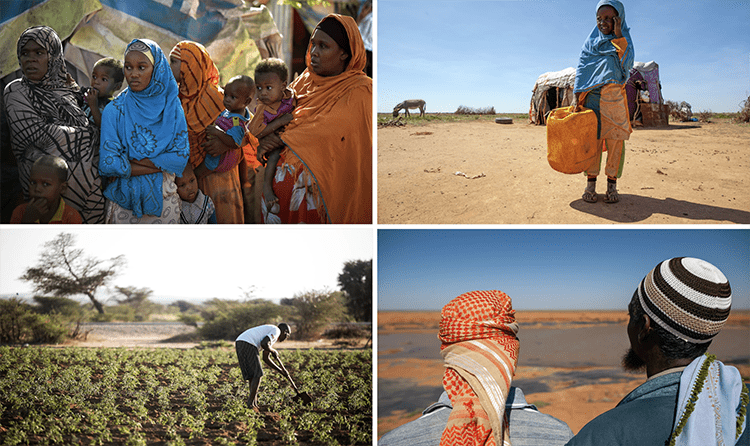
A new Somalia climate-resilient livelihoods project 2025 backed by the African Development Fund aims to help farmers and pastoralists adapt to harsher weather. The investment will finance irrigation repairs, rangeland restoration and better climate information services in some of the country’s most fragile areas.
The grant, channelled through the AfDB’s Climate Action Window, will support communities hit by repeated droughts and floods. It will fund rehabilitation of small-scale irrigation systems, water points and rural roads, while also restoring degraded grazing lands to support livestock herds.
Project documents say households will gain access to early-warning systems, climate data and training on climate-smart agriculture. The goal is to protect food production, reduce displacement and create alternative incomes linked to sustainable land use.
Somalia remains one of the countries most exposed to climate shocks, with many families still recovering from the 2020–2023 drought and recent floods. The Somalia climate-resilient livelihoods project 2025 is designed to complement other resilience and humanitarian programmes in the country.
Next steps for Somalia climate-resilient livelihoods project 2025
Implementation teams will now finalise local investment plans with district authorities and community groups. Priority areas include irrigation schemes that can quickly restore crop production, and rangelands where simple measures can bring back grass cover.
The project will also set up or upgrade community climate information centres. These will share forecasts through radio, SMS and local leaders so that farmers can adjust planting dates, crop choices and herd movements.
Monitoring systems will track changes in yields, pasture condition and household income to guide future funding. AfDB expects lessons from Somalia to inform similar climate-resilience packages in other fragile states.
Why it matters for Somalia climate-resilient livelihoods project 2025
For rural Somali families, climate risk is now a constant pressure, not an occasional shock. When rains fail or floods hit, crops die, animals are lost and children leave school. By backing long-term resilience rather than only emergency aid, this project aims to shift that pattern. If it works, communities could keep more people on the land, protect incomes and reduce the spiral of crisis and displacement that has defined Somalia’s recent history.

 French
  English
  Swahili
  Portuguese
  Chinese