Français
 English
 Kiswahili
 Português
 简体中文


McKinsey sees AI infrastructure investment rising sharply in 2026
Investment in artificial-intelligence infrastructure and model architecture could approach $769 billion in 2026 if the pace of funding seen earlier in the
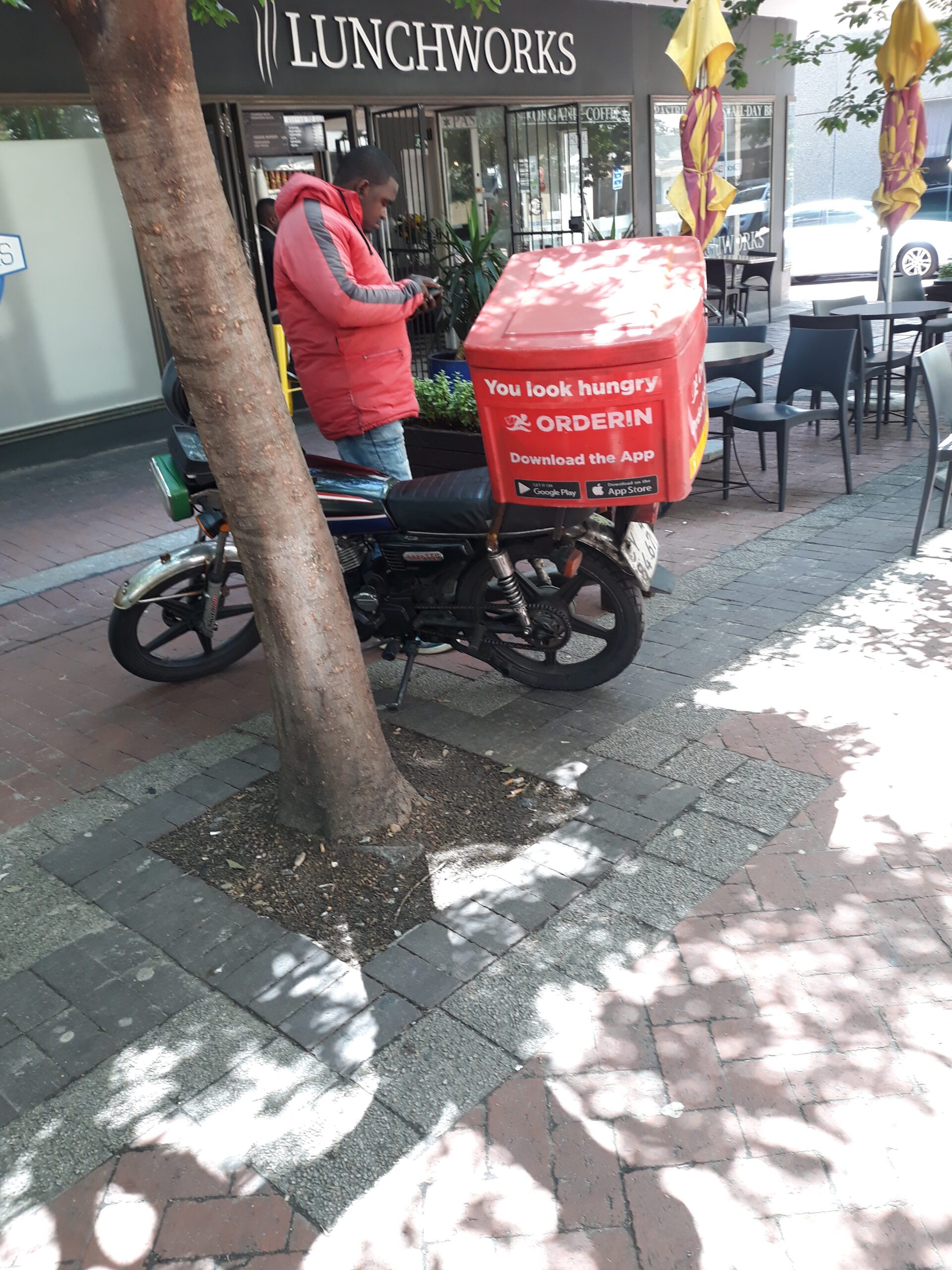
A study commissioned by South Africa’s Department of Employment and Labour has highlighted uncertain earnings, safety problems and the disputed employment status of workers earning a living through location-based digital platforms.
Research presented by Jabulile Monnakgotla of the University of Cape Town’s Development Policy Research Unit examined how services such as ride-hailing and other app-mediated work are changing the labour market. It found that these platforms provide income opportunities but also leave difficult questions about pay, transparency and legal protections.
Among the concerns discussed were earnings that can fall below minimum-wage benchmarks once costs are considered, hazardous work conditions and opaque algorithmic decisions that influence how workers access assignments. The researchers also noted the difficulty of measuring platform work’s contribution to the wider economy.
The department emphasised that the exploratory study is not government policy. Its findings are intended to inform consultation with workers, companies and other stakeholders rather than announce immediate new rules for the sector.
The issues are relevant across African cities where digital delivery, transport and freelance platforms are expanding faster than some traditional employment protections. Policymakers face a balancing task: preserve genuine flexibility and access to work while ensuring that basic safety, transparency and fair-treatment obligations are not bypassed merely because work is arranged through an application. A separate South African regulatory process concerns appointments to the ICASA communications council, illustrating another dimension of digital-sector oversight. Separately, South Africa’s parliamentary consultations on mine safety demonstrate how workplace protections are also being debated in established industries.
Source: Official institutional statement, November 2026. InAfrika News reporting.