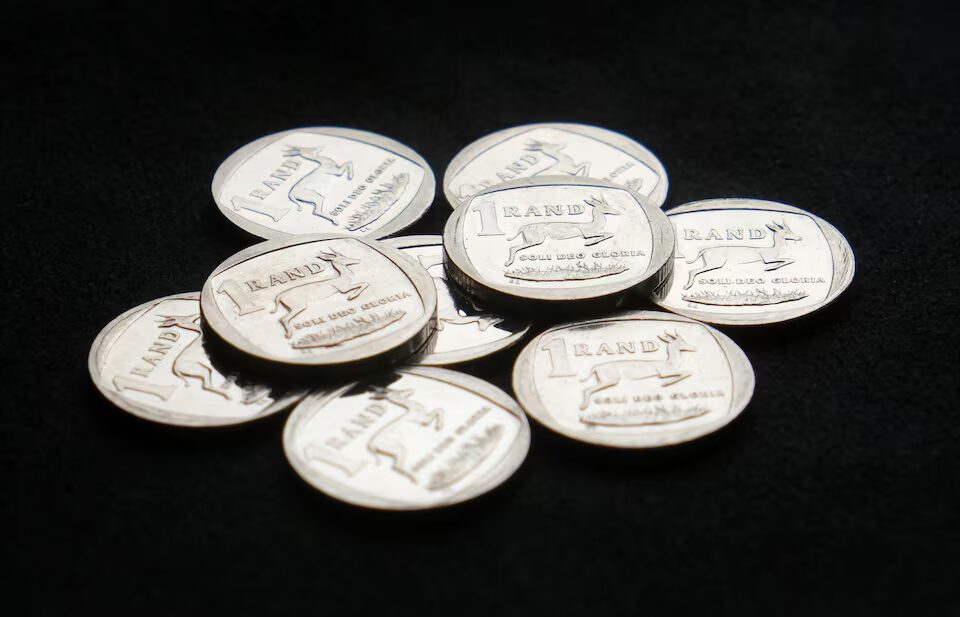
South African markets extended losses on Tuesday as investors moved into safer assets amid escalating geopolitical tensions, pushing down the rand and pressuring bonds and equities. The South African assets plunge reflected a broader re-pricing of risk that tends to hit emerging markets first when global uncertainty rises.
Market moves were driven by a shift in global sentiment rather than a single domestic trigger, according to the Reuters report, as capital flowed toward perceived safe-havens. In such environments, currencies like the rand can weaken quickly, amplifying imported inflation risks and raising funding costs for corporates with foreign-currency exposure.
South Africa’s market depth gives it a central role in Africa’s investment benchmarks. When South African assets swing sharply, the effects can be felt through regional funds, pension allocations, and exchange-traded products that use Johannesburg-listed instruments as proxies for broader Africa risk.
For businesses, volatility can translate into higher hedging costs and slower investment decisions. Companies importing fuel, machinery, or intermediate goods may face near-term pressure if currency weakness persists, while exporters can gain pricing advantages if logistics and demand hold steady.
Policy context matters. Investors also track fiscal signals, monetary policy credibility, and the stability of governing arrangements. When global shocks dominate, however, even relatively strong domestic narratives can be temporarily overshadowed by external risk events that pull capital toward the dollar, yen, or high-grade sovereign bonds.
Across Africa, similar patterns often emerge: larger and more liquid markets become the first exit point for global investors seeking to reduce risk exposure, even if the original shock is far from the continent. That can tighten financial conditions for smaller economies that rely on regional banking links and portfolio flows.
Next steps
Market participants will watch for signals that risk appetite is stabilising, including calmer moves in global energy prices and clearer diplomatic trajectories. Domestically, investors will monitor inflation expectations and central bank communication for indications on rate paths and currency management posture.
Why it matters
South Africa is a bellwether for portfolio flows into Africa. Sharp moves in the rand and local bond yields can shape funding costs, cross-border investor confidence, and the pace of capital deployment into infrastructure and private-sector expansion across the region.
Thursday 5th March 2026 By inAfrika Newsroom South Africa water conservation bond planning advanced this week as financiers prepared a 2 billion rand (about $122 million) five-year bond to fund…

 French
  English
  Swahili
  Portuguese
  Chinese