Monday 29th December 2025
By inAfrika Newsroom
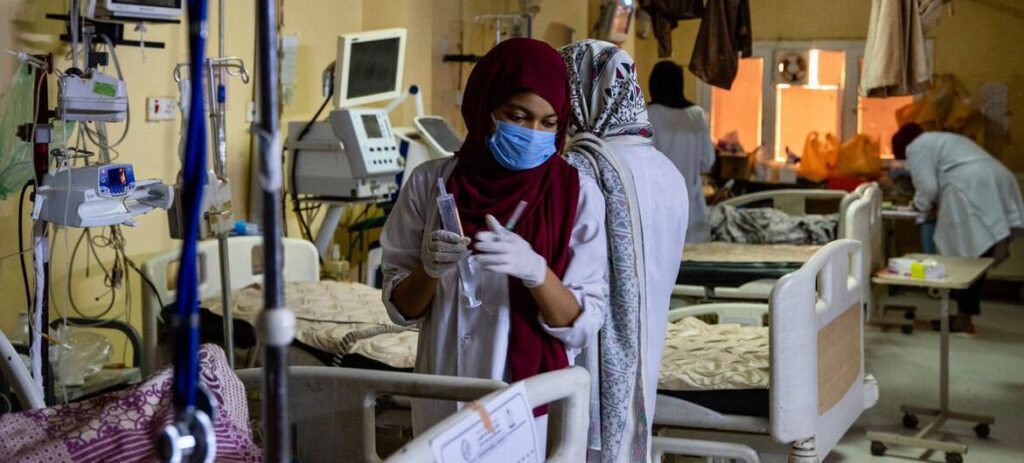
Sudan health system collapse warnings intensified today as UN agencies reported rising disease outbreaks and severe shortages of staff, drugs and funding. Nearly 1,000 days into the war between government forces and the Rapid Support Forces, only a fraction of hospitals remain fully functional.
The World Health Organization says more than 70 percent of health facilities in conflict-affected states are closed or operating at minimal capacity. Many have been damaged, looted or cut off by fighting. Others lack fuel, oxygen and basic supplies.
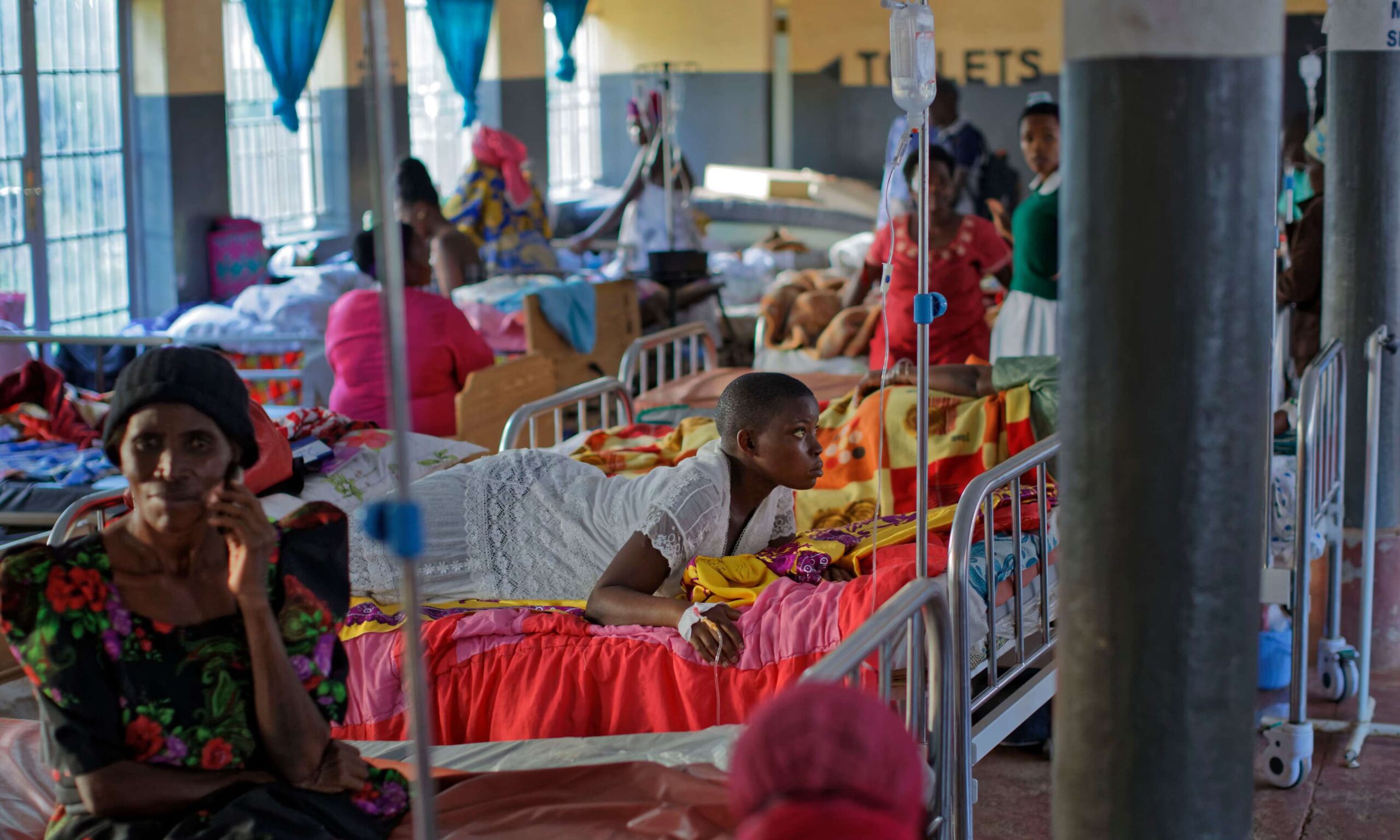
At the same time, crowded displacement sites and broken water systems are driving up cases of malaria, dengue, cholera, measles and polio. Humanitarian staff warn that clinics cannot keep up. They also point to a sharp drop in international funding as global crises compete for attention.
UN data indicates that more than 14 million people have been displaced by the war, with over 40,000 reported killed and far higher numbers feared. Sudan’s prime minister has presented a peace plan to the UN Security Council, but major armed actors have yet to back a nationwide truce.
For now, health partners are trying to “hold the line” with mobile clinics, vaccination drives and trauma care hubs. Yet doctors’ networks say the system is beyond breaking point in many areas, including Khartoum’s outskirts, Darfur and Kordofan.
Next steps for Sudan health system collapse response
UN agencies are urging immediate, predictable funding to stabilise core health services, including primary care, disease surveillance and emergency surgery. They also want safe corridors for medical evacuations and resupply.
Regional bodies, including the African Union and IGAD, face growing pressure to align political mediation with humanitarian priorities, so that any ceasefire allows rapid repairs to critical hospitals and power lines.
Why it matters
The Sudan health system collapse is not only a national emergency. It is a regional risk. Uncontrolled outbreaks of cholera, measles or polio can cross borders into Chad, South Sudan, Ethiopia and beyond, straining already fragile systems.
Moreover, prolonged disruption to care deepens trauma, disability and poverty among civilians whose resilience is already low after years of conflict and climate shocks. How Africa and the wider world respond will shape both lives saved now and the country’s path to recovery later.

 French
  English
  Swahili
  Portuguese
  Chinese