Thursday 19th February 2026
By inAfrika Newsroom
Sudan Kordofan drone strikes remain a major civilian risk, the United Nations human rights chief said, as the conflict’s centre of gravity shifts and both sides rely more heavily on drones. Reuters reported that the UN documented more than 90 civilian deaths and 142 injuries from drone strikes between late January and February 6, with attacks attributed to both the Sudanese Armed Forces and the Rapid Support Forces.
The warning came as Greater Kordofan—three states in central Sudan—emerged as a key frontline in the nearly three-year war, which has displaced millions and driven a deepening humanitarian crisis. Reuters said Sudan’s army reported breaking RSF sieges of al-Dalanj in late January and Kadugli in early February, after residents faced hunger and medical shortages due to blocked supplies.
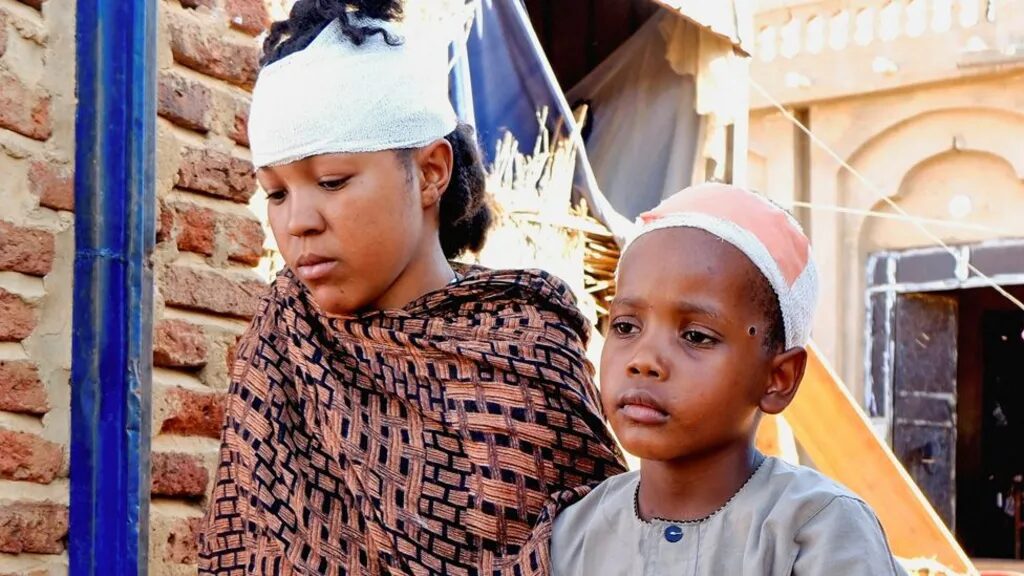
Separately, Associated Press reported a drone strike on a mosque in al-Rahad city in North Kordofan that killed two children and injured 13 others, citing the Sudan Doctors Network. AP said there was no immediate comment from the RSF on the allegation of responsibility.
Sudan Kordofan drone strikes: key details
In Geneva, UN High Commissioner for Human Rights Volker Turk told the UN Human Rights Council that drone strikes by both sides continue and are causing civilian deaths and injuries. Reuters reported his office’s documented toll covers late January through February 6. The UN statement linked the strikes to a broader deterioration in civilian protection as drones become a central battlefield tool.
Reuters said drones allow the RSF to contest the army’s earlier air advantage, and their expanded use has led to incidents of mass casualties. The Reuters report also referenced prior reporting that the RSF used drones to track medical staff and that strikes hit medical facilities, raising concerns about attacks on protected sites under international humanitarian law.
AP’s report on the al-Rahad mosque strike described the children as attending a dawn lesson, according to a doctors’ network spokesperson. AP also cited the World Health Organization estimate that the war has killed at least 40,000 people and displaced 12 million, while noting that aid groups believe true death tolls may be higher because access to many areas remains limited.
The convergence of UN documentation and local medical monitoring signals growing alarm about the civilian impact of a technology-driven escalation. Aid agencies have warned that conflict dynamics in remote regions complicate verification, the delivery of medical supplies, and evacuations from targeted areas. For neighbouring states and regional organisations, Kordofan’s instability matters because it affects displacement routes, cross-border humanitarian corridors, and the security environment for relief operations. The scale and persistence of drone strikes also complicate negotiations over localized ceasefires and safe passage arrangements.

 French
  English
  Swahili
  Portuguese
  Chinese